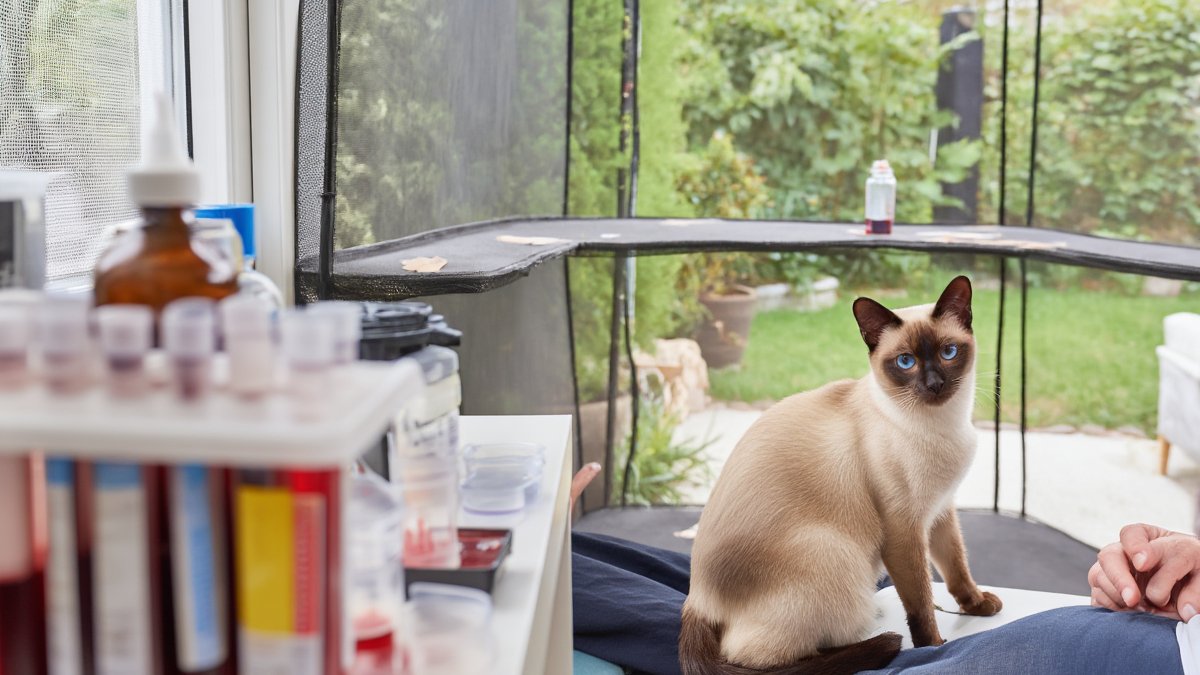
Being allergic to your own cat is one of the strangest small tragedies of pet ownership: the animal that helps you decompress is also the reason your eyes itch and your chest feels tight by evening. Plenty of people assume the only choices are suffering silently or rehoming, but the real menu is much wider. Cat allergies respond to environment changes more reliably than almost any other pet allergy, and the cats themselves can be part of the fix rather than the problem.
The quick answer: you cannot remove cat allergen entirely, but you can push it below the threshold where your immune system reacts — by protecting the bedroom, running the right kind of air cleaning, washing surfaces the cat touches, and treating the cat’s skin and coat as the allergen factory it is. Here is how each piece works, and which ones actually move the needle.
Why Cat Allergies Happen — and Why the Fur Is Not the Problem
The allergen is not fur or dander as people usually picture it — it is a protein called Fel d 1, produced mainly in cats’ salivary and sebaceous glands. Cats deposit it everywhere they groom, lick, and rub, and because the protein is lightweight and sticky, it rides on clothing, hangs in the air for hours, and survives on walls and furniture for months. This explains two things owners find surprising: short-haired and even hairless cats still spread Fel d 1 (less fur does not mean less saliva), and scrubbing the litter box or being licked can trigger a reaction just as reliably as petting.
“Hypoallergenic” breeds are a half-truth worth understanding: no cat is allergen-free, and studies comparing individual cats of the same breed show enormous variation — some cats simply carry and spread more Fel d 1 than others. If you are choosing a new cat while allergic, spend real time with the individual animal before committing, not just the breed label.
The Bedroom Is the Highest-Value Change
Own a Veterinary Clinic?
Enjoyed this article? Our editorial team researches, writes, and publishes professional features just like this one about clinics across the US. Get your practice in front of thousands of cat owners searching for a vet in your city.
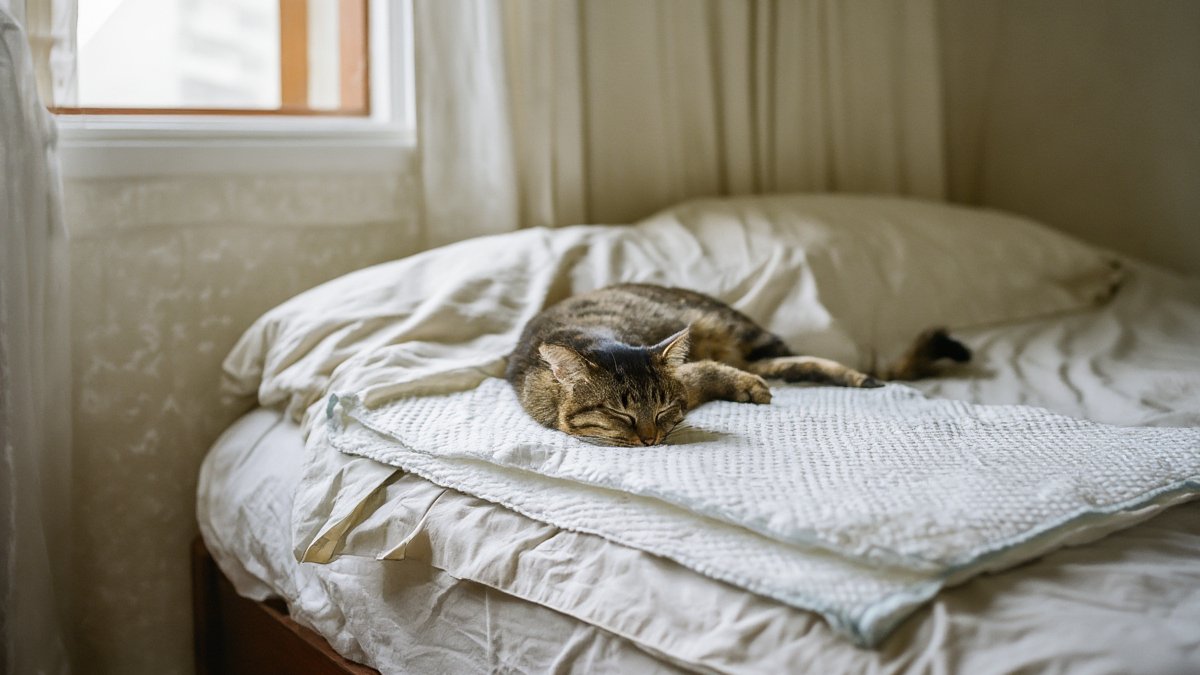
If you only do one thing, make the bedroom a cat-free zone and mean it. You spend eight hours there breathing deeply and slowly, and a closed door is the single most effective allergen barrier you have. Wash bedding weekly in hot water, keep clothing that has been around the cat off the bed, and if the bedroom door has ever been left open by accident, run the room’s air cleaner for a few hours before sleep. Owners who thought they were “too allergic” to keep a cat often find symptoms drop dramatically from this one rule alone.
Air and Surfaces: What Actually Works
- A true HEPA air purifier sized for the room, run continuously in the bedroom and main living space. Cheaper ozone-generating “ionizers” do not capture allergen and are worth avoiding.
- Replace or upgrade your HVAC filter to a MERV 11–13 rated one and change it on schedule — a clogged filter recirculates what it should trap.
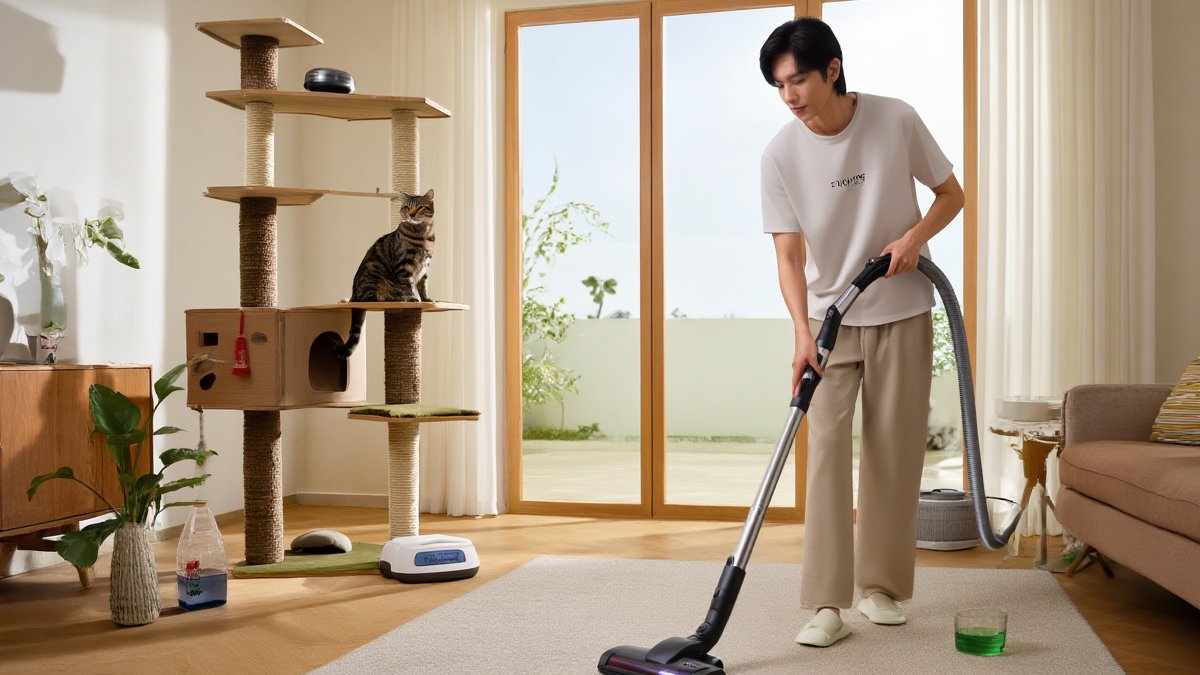
- Hard floors over carpet where possible; vacuum with a HEPA machine at least twice a week, including upholstered furniture and under the bed.
- Wipe down walls and other smooth surfaces the cat rubs against — Fel d 1 sticks and accumulates where cats socially mark.
- Wash your hands after petting before touching your face, and keep a set of “cat clothes” that change out before bed.
Treating the Cat as the Allergen Source
Two interventions at the cat end have decent evidence. The first is bathing and wiping: regular wet wiping or brushing (by a non-allergic household member, outdoors if possible) removes dried saliva and dander before it circulates — even once or twice a week helps, and cats tolerate wipes better than full baths. The second is diet: a prescription food engineered to bind Fel d 1 in the cat’s saliva has been shown in trials to reduce the allergen a cat spreads, and some owners report real symptom improvement over several weeks. Both are worth discussing with your vet rather than improvising, because coat changes and skin irritation can also mean an underlying allergy in the cat itself.
When Symptoms Are Not Just a Cat Allergy
One caution owners skip: chest tightness, wheezing, or shortness of breath around a cat is not “just allergies” — it is an asthma pattern and deserves a proper medical evaluation, not a stronger antihistamine. Allergic asthma triggered by cats is one of the more common forms, and it responds to real treatment. Get the human side diagnosed before you redesign the whole house around a guess.
A Worked Example: Where Allergy Questions Meet a Vet in Silver City, New Mexico
The cat side of this problem is genuinely veterinary territory — skin and coat condition, diet choices that bind allergen, and ruling out the itchy-skin conditions that make cats groom and shed more. In Grant County, Town & Country Veterinary Clinic on Memory Lane in Silver City, New Mexico, rated 4.8 across more than 180 reviews, is a full-service clinic where a conversation about “I’m allergic to my own cat” can cover coat health, diet options, and whether the cat’s own scratching needs attention. Owners in the surrounding area can compare practices in the cat vets in Silver City, NM listing.
Town & Country Veterinary Clinic
2035 Memory Ln, Silver City, NM, 88061
Phone: (575) 538-3700
⭐ 4.8
Questions About Living With Cat Allergies
Cat allergies and cat skin conditions overlap more than most owners expect — if your cat scratches and sheds heavily, that is a cat-side problem worth reading cat flea allergy dermatitis about, since flea sensitivity is one of the most common feline skin allergies. The sneezing side of cat health is covered in why cats sneeze, and if your allergic reactions come with a suddenly reclusive cat, why cats hide suddenly explains the withdrawal side of illness.
This article is editorial content produced by the CatVetFinder team. Clinic details are drawn from public listings and may change — always confirm hours and services with the clinic directly.