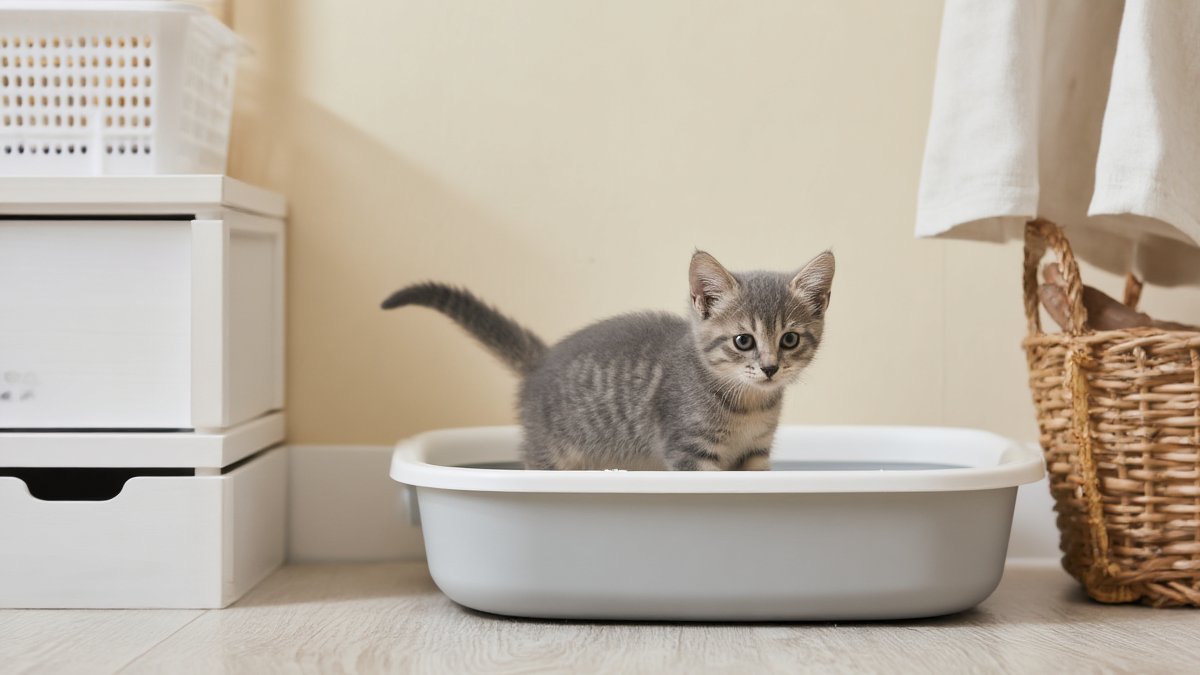
Litter training has a reputation as the easy part of kitten ownership, and it mostly deserves it — kittens instinctively want to dig and bury. But the first weeks are exactly when lifelong habits get written, and a handful of setup mistakes produce the accidents that owners are still cleaning up a year later.
The good news: with a shallow box, the right litter depth, and a few predictable routines, most kittens are reliably trained within two to four weeks of starting, many sooner. This guide walks through the method week by week, then covers the mistakes that quietly sabotage it and the accidents that are actually medical.
Before You Start: Age and Readiness
Kittens begin mimicking their mother in the litter box as early as three weeks old, and most are functionally trained by six to eight weeks — which is why a kitten adopted at twelve weeks often arrives already trained. The practical milestones: a kitten under four weeks needs stimulation to eliminate (a warm, damp cloth mimicking the mother's tongue) and should not be placed in litter yet; from four weeks on, start box introduction; by eight weeks, expect increasing reliability with close supervision. If you are raising an orphan or a very young kitten, keep the mother-style stimulation going until about four weeks, then transition — do not rush a three-week-old into a box and read the accidents as failure.
The Setup Checklist That Decides Everything
Ninety percent of kitten litter problems are setup problems. Get these details right from day one:
- A shallow box for small legs: a low-sided pan, even a baking tray, for kittens under eight weeks. A full-height adult box is an obstacle course they may simply avoid.
- The right litter: unscented, fine-grained clumping litter is the standard preference. Some very young kittens taste litter — with clumping formulas that can cause intestinal trouble, so many vets suggest a non-clumping litter for the first weeks and switching once the tasting phase passes.
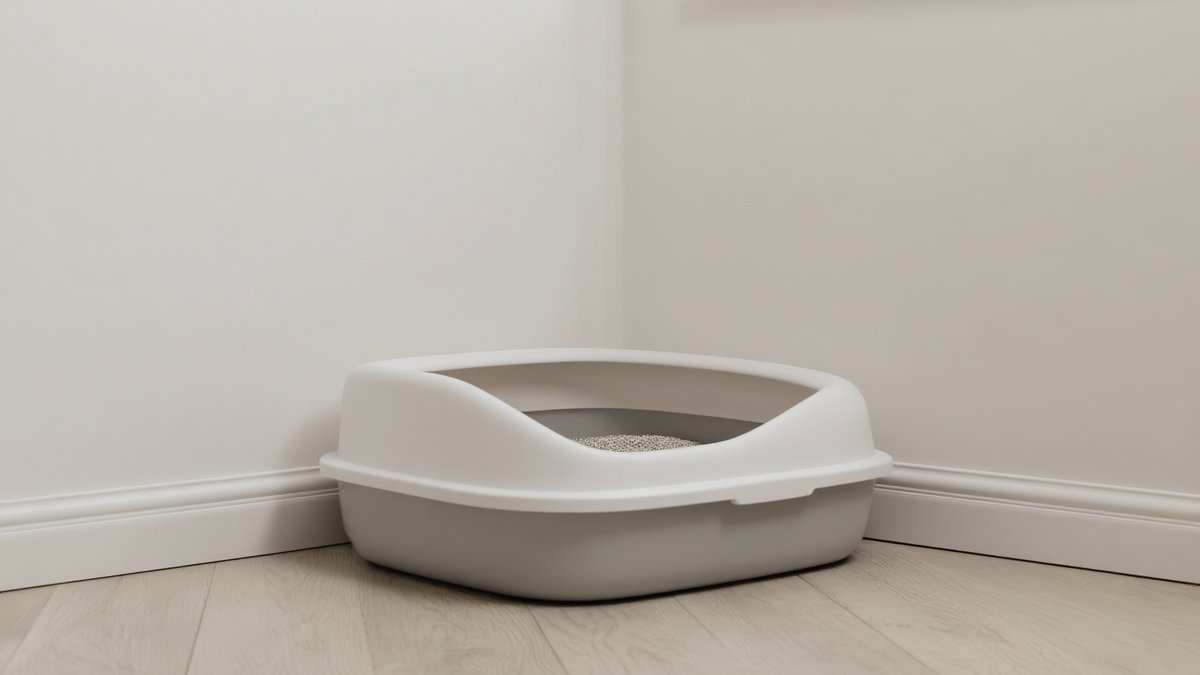
- Depth: about one to two inches. Deep litter feels unstable under a two-pound kitten and invites digging-for-fun instead of digging-to-bury.
- Placement: quiet, visible, and easy to reach — not next to the food, not behind the noisy dryer, not down a flight of stairs for a small kitten. One box per cat plus one, spread out.
- Cleanliness: scoop after every use in the training weeks. A kitten who meets last hour's deposit in the box is learning that the box is optional.
The Method, Week by Week
With the setup right, the training itself is mostly timing:
- Week one (about four to five weeks old): place the kitten in the box after every meal, after every nap, and whenever you see the sniff-and-squat posture. Gently take a front paw and scratch the litter a couple of times — many kittens pick up the digging instinct from a single demonstration.
- Every day: watch for the tells — sudden sniffing, circling, crouching, or a quick exit mid-play. That is your cue to carry the kitten to the box. Speed matters more than punishment ever will; you are intercepting, not correcting.
- Week two: keep scooping after every use and add a second box if the home has multiple floors. Accidents should already be trending toward zero.
- Weeks three to four: as reliability grows, relax the supervision. If accidents reappear, shrink the kitten's territory temporarily — one room with the box until consistency returns — then expand.
- Any age: clean accidents with an enzymatic cleaner, never ammonia-based products, and never rub a kitten's nose in a mistake or place the kitten in the box as punishment. That reliably teaches the box is a scary place.
The Mistakes That Create Long-Term Problems
A few classics to avoid: switching litters suddenly mid-training (if you must change, mix the new in over a week); scolding, which teaches hiding, not aiming; and the covered box with a tiny kitten — covers trap odor and create ambush corners in multi-cat homes, and many cats never fully forgive them. Another one specific to kittens: a box next to the food. Cats are hardwired against toileting near eating, and you will lose that argument every time. And if your kitten is reliably using the box, do not "upgrade" everything at once — change one variable at a time, a week apart, so the skill survives the transition.
Kokopelli Animal Hospital
456 Kokopelli Dr UNIT E, Fruita, CO, 81521
Phone: (970) 858-4299
⭐ 4.8
When Accidents Are Medical, Not Behavioral
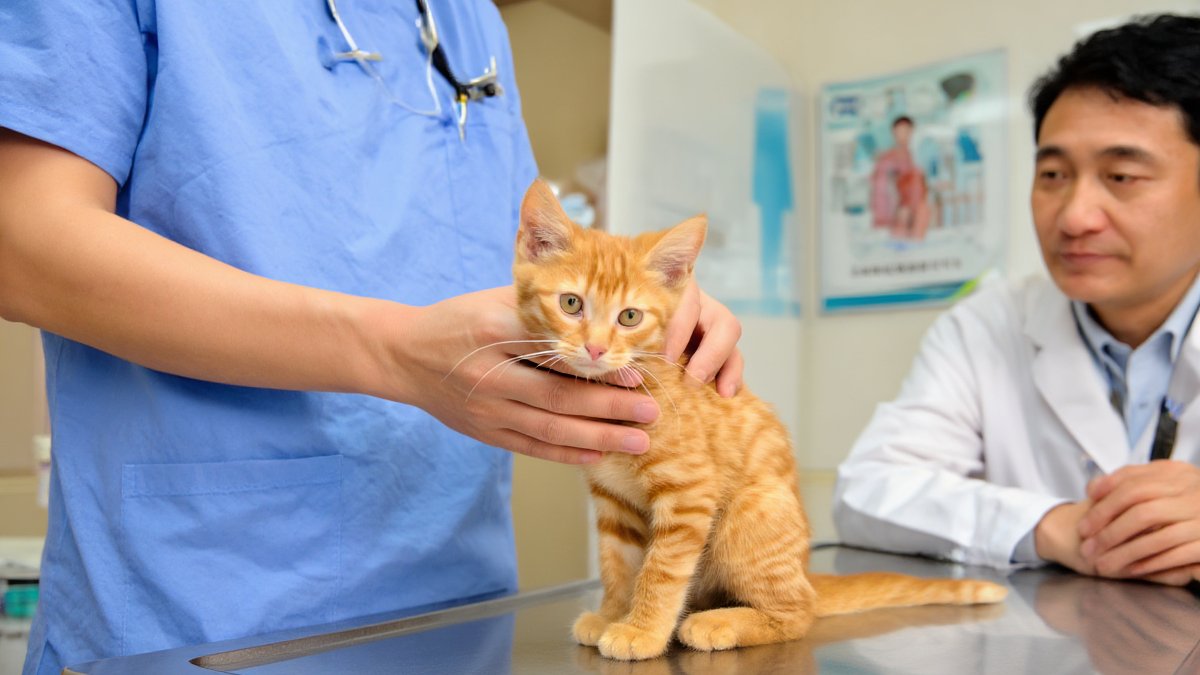
A kitten who was using the box and then stops deserves a vet visit before any retraining effort. The short list of suspects: intestinal parasites (giardia and roundworms are common in kittens and cause urgency), diarrhea from diet changes, constipation from dehydration, and — rarely at this age — urinary tract inflammation. Diarrhea in a kitten also dehydrates fast, so loose stool plus accidents is a same-week visit, not a training problem. Bring a fresh stool sample to the appointment; it turns the visit from guessing to data in minutes. In multi-cat homes, also watch whether the kitten is being ambushed at the box by an older cat — that is an access problem, and the fix is more boxes in more places, not more training.
Own a Veterinary Clinic?
Enjoyed this article? Our editorial team researches, writes, and publishes professional features just like this one about clinics across the US. Get your practice in front of thousands of cat owners searching for a vet in your city.
The bottom line: kittens teach themselves the concept — your job is an easy-to-use box, fast scooping, and interception instead of punishment. Related reading: the full litter box setup checklist goes deeper on boxes, litter, and placement, and how often to change cat litter covers the cleaning rhythm that keeps good habits alive.
This article is editorial content produced by the CatVetFinder team. Clinic details are drawn from public listings and may change — always confirm hours and services with the clinic directly.