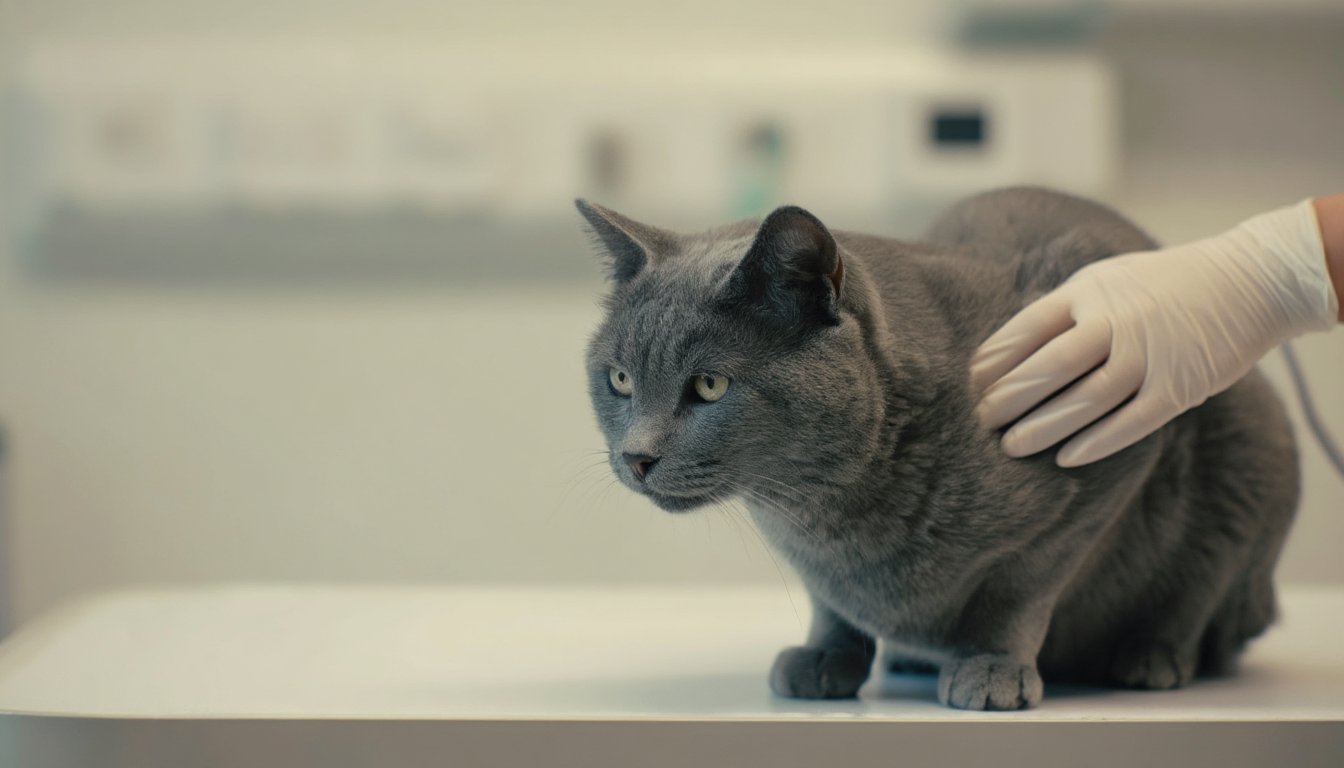
Somewhere around the double-digit birthday, most vets quietly shift the conversation from vaccines to bloodwork — and many owners nod along without knowing what just got ordered. A senior cat panel is one of the highest-yield things you can do for a cat over seven, because the diseases it catches (chronic kidney disease, hyperthyroidism, diabetes) are extremely common in aging cats, treatable when found early, and nearly invisible from the outside until they are advanced. Cats are masters of hiding illness; bloodwork is how you see what they are hiding. This guide explains every line of that panel in plain English, what age to start, and how to read the results conversation that follows.
Own a Veterinary Clinic?
Enjoyed this article? Our editorial team researches, writes, and publishes professional features just like this one about clinics across the US. Get your practice in front of thousands of cat owners searching for a vet in your city.
When Should Bloodwork Start — and How Often?
Baseline bloodwork is worth doing once while a cat is still healthy and young-adult, so there is a "normal for her" on file to compare against for the rest of her life. From there the usual rhythm is: annual panels from about seven years old, and every six months from about ten or whenever a chronic condition enters the picture. Cats age fast in calendar terms — a year between panels is roughly a quarter of an aging cat’s adult life, and things like kidney disease and hyperthyroidism can move meaningfully in that span.
- 7–10 years: annual panel with the yearly exam; establish the trend, not just the snapshot.
- 10+: every six months is the common senior-care recommendation, because treatable disease moves faster at this stage.
- On medication long-term (especially thyroid or kidney drugs): monitoring panels track whether the dose still fits.
- Before anesthesia — dental cleanings especially — pre-anesthetic bloodwork is standard, and in a senior cat it doubles as a screening panel.
The Lines on the Report, in Plain English
A full geriatric panel looks intimidating — twenty-plus numbers on a printed sheet. In practice it reads as four groups, and the groups map to the diseases vets are actually screening for.
| Group | What it is | What it screens for |
|---|---|---|
| Kidney values (BUN, creatinine, SDMA) | Waste products the kidneys should be clearing | Chronic kidney disease — the single most common serious condition in senior cats; SDMA rises earlier than the older two |
| Metabolic (glucose, sometimes fructosamine) | Blood sugar and longer-term sugar control | Diabetes — often signaled weeks earlier by the drinking-and-peeing you can see at home |
| Thyroid (T4) | Thyroid hormone level | Hyperthyroidism — the great masquerader of middle-aged and senior cats: weight loss with a ravenous appetite |
| Red and white blood cells (CBC) | Anemia, infection, inflammation, platelets | Silent anemia (common with kidney disease), infection, and clotting adequacy |
Most senior workups also fold in or pair with a urinalysis and blood pressure check. That is not upselling — urine concentration is often the earliest kidney signal of all, and hypertension both damages kidneys and is itself a quiet senior disease. A panel without urine and blood pressure tells you less than it could.
Reading Results Without Panic
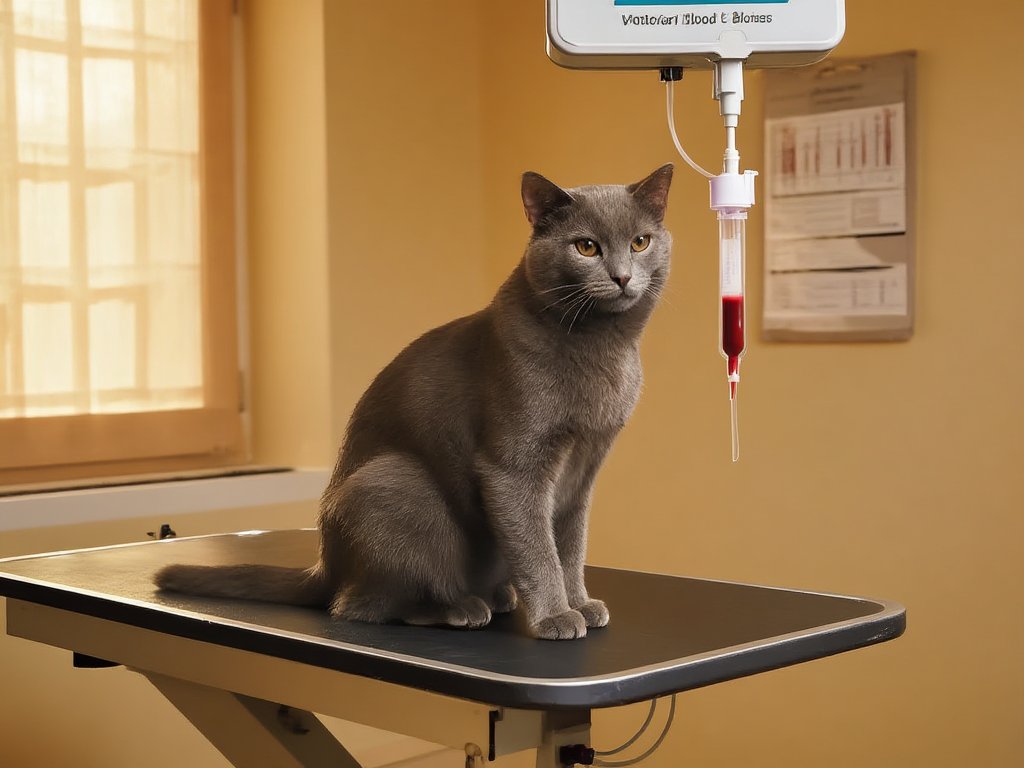
Out-of-range does not mean diseased. Reference ranges are built to include most healthy animals, which means some healthy cats land slightly outside on individual lines. What vets actually weigh is the pattern: which lines moved together, how far, and — the most powerful clue of all — which direction they moved since last year. A creatinine that crept up across three annual panels tells a story a single "high" flag never could.
- Mildly high kidney values with concentrated urine: often early-stage kidney disease, where diet and monitoring genuinely change the trajectory.
- High BUN/creatinine with dilute urine plus weight loss and drinking more: the classic chronic kidney disease picture — see our kidney disease signs guide for the home-side checklist.
- High T4 with weight loss and a big appetite: hyperthyroidism, one of the most treatable senior diagnoses there is.
- High glucose alone in a stressed cat: can be stress hyperglycemia rather than diabetes — that is exactly why fructosamine or a recheck exists.
- Mild anemia with kidney disease: common and connected; it changes how aggressively the kidney side gets managed.
What This Looks Like in Practice: Kindred Pet Care, Saint Charles, IL
Kindred Pet Care
2002 W Main St STE Q, Saint Charles, IL, 60174
Phone: (630) 912-9621
⭐ 4.9 (34 reviews)
A worked example: Kindred Pet Care at 2002 W Main St STE Q in Saint Charles, Illinois holds a 4.9-star rating across 34 local reviews — a newer practice, which usually means recent senior-care protocols and easy sample handling, the kind of clinic where a six-month senior panel is a quick drop-off visit rather than a half-day production. If your cat is past seven and has never had a baseline panel, that first draw is the one that pays dividends for the rest of her life. Saint Charles owners can compare all 14 local practices on the cat vets in Saint Charles listing.
Questions Worth Asking at the Visit
If You Only Read One Section
A senior bloodwork panel is four questions asked on your cat’s behalf: Are the kidneys keeping up? Is the thyroid running hot? Is sugar normal? Is the blood itself healthy? Those four account for the bulk of what silently shortens senior cats’ lives, and every one of them is caught first — and managed best — by routine screening rather than symptoms. Start the trend line early, repeat it on the schedule your vet recommends, and read results as a story across years rather than a pass/fail on one sheet.
Related Cat Health Guides
- Cat kidney disease: early signs owners miss
- Cat hyperthyroidism: the hungry, thinning senior cat
- Cat diabetes: the signs that show up at home
- Senior cat vet checkups: what to test and when
- How often cats need vet visits, by life stage
- Kindred Pet Care — Saint Charles, IL
- Cat vets in Saint Charles, IL
- Explore cat care services
This article is editorial content produced by the CatVetFinder team. Clinic details are drawn from public listings and may change — always confirm hours and services with the clinic directly.