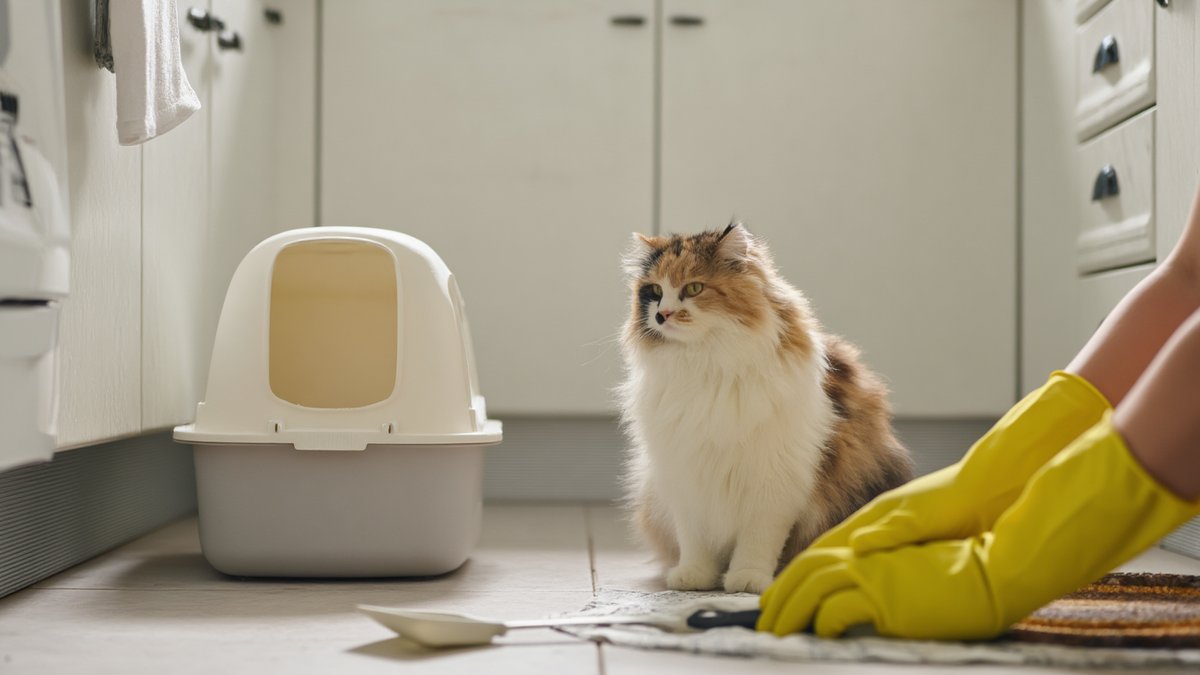
Few pregnancy warnings travel faster than this one: if you are pregnant, stay away from the cat, and above all stay away from the litter box. Somewhere behind it is the story of a well-meaning relative and a "you need to rehome her now" conversation. The real medical picture is far more measured — and for most households, the actual risk from the family cat is about as low as it gets.
Toxoplasmosis is a real thing, and a first-time infection during pregnancy is genuinely worth preventing. But the cat-sized version of that risk has been badly inflated, and the precautions that do matter are simple, short, and listed plainly below — none of which involve giving up a pet.
The Short Version of the Science
Toxoplasma gondii is a single-celled parasite with a two-part life story. Cats are its definitive host — the only animal in whose intestines it completes the reproductive cycle and gets shed into feces. But most cats shed it exactly once in their lives, for a short window right after their first exposure, and are done. Millions of adults already carry the parasite silently and are immune. The concern applies to a first infection during pregnancy, where the parasite can cross the placenta — which is why the preventive playbook targets first-exposure routes, and why an immune mother is a non-issue. None of this changes with the cat in the house; the cat is one possible door out of several, and usually the one that stays shut.
What This Looks Like in Practice: Guardian Veterinary Center
Own a Veterinary Clinic?
Enjoyed this article? Our editorial team researches, writes, and publishes professional features just like this one about clinics across the US. Get your practice in front of thousands of cat owners searching for a vet in your city.
A pregnancy conversation is one of the better uses of a routine wellness visit — the vet can walk through the household\u2019s actual risk profile, confirm the cat is healthy, and settle the litter-box question with specifics instead of internet folklore. In Burleson, Texas, Guardian Veterinary Center on NW John Jones Drive — rated 4.7 by pet owners across more than 200 reviews — provides comprehensive wellness exams and preventive care for cats at every life stage. Johnson County owners can book at (682) 282-5888, or compare other practices in the cat vets in Burleson, TX listing.
Guardian Veterinary Center
130 NW John Jones Dr Ste 232, Burleson, TX, 76028
Phone: (682) 282-5888
⭐ 4.7 (204 reviews)
Setting Up the Litter Box Routine for a Pregnancy
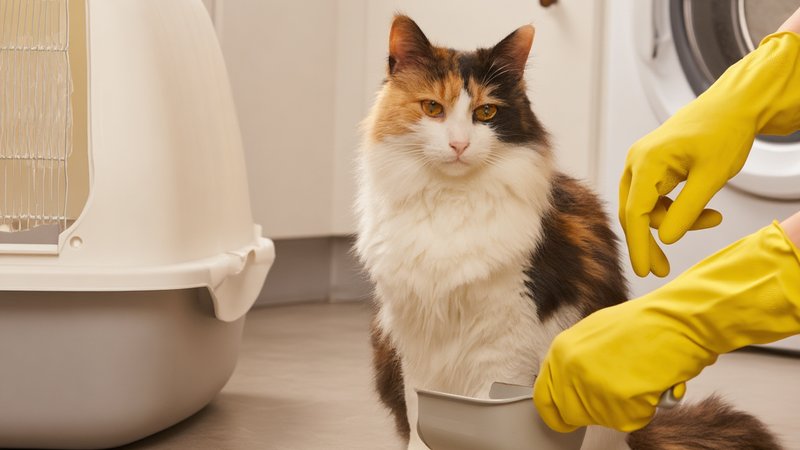
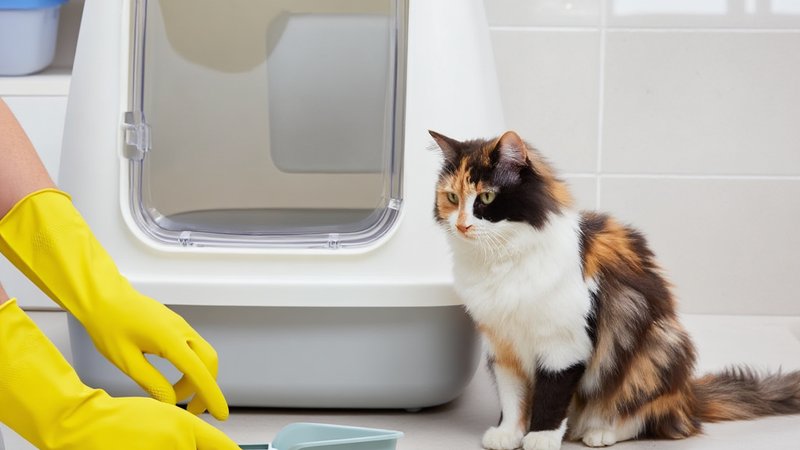
The hygiene routine is worth writing down, because it is short and it covers everything: scoop once a day minimum, bag and dispose promptly; wash the scoop and your hands; wear gloves for any deep clean, and never dump litter into the kitchen trash. If the box is overdue for a full change, have someone else do it or wear gloves and a mask. None of this differs much from ordinary good practice — the same daily routine that keeps a box odor-free also removes oocysts before they ever become infectious. New owners setting up a box from scratch can start with litter box setup, and the maintenance schedule in how often to change cat litter doubles as the pregnancy-safe schedule.
One adjacent topic worth knowing about: eating non-food items, including litter itself, is a behavior with its own medical causes — why is my cat eating litter covers it, and kittens or anemic cats that do this are worth a vet conversation on their own account.
This article is editorial content produced by the CatVetFinder team. Clinic details are drawn from public listings and may change — always confirm hours and services with the clinic directly.