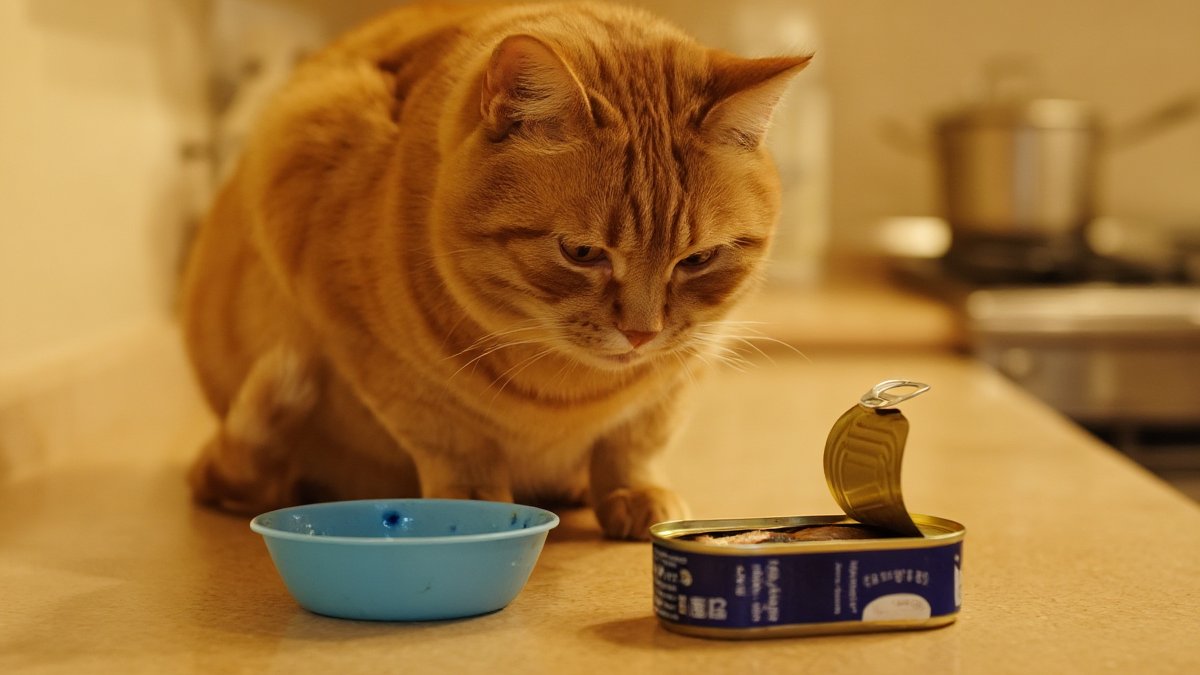
Almost every cat owner has been ambushed by that look — the one a cat gives an open tuna can, a stare so fixed and ancient it feels evolutionary. Tuna is one of the smells cats respond to most powerfully, which is exactly why the question "can cats eat tuna" comes up so often, and why the honest answer has more layers than a simple yes or no.
The short version: yes, cats can eat tuna, but only plain tuna — packed in water, no salt added, no oil, no flavors — and only as an occasional treat, not a meal. The long version is what this guide covers, because tuna done wrong is one of the most common nutrition problems cat owners create entirely by accident, usually out of love.
Own a Veterinary Clinic?
Enjoyed this article? Our editorial team researches, writes, and publishes professional features just like this one about clinics across the US. Get your practice in front of thousands of cat owners searching for a vet in your city.
What Tuna Gives a Cat — and What It Takes Away
Tuna is not junk food from the cat’s point of view. It is lean protein, rich in the animal protein and omega-3 fatty acids that cats handle well, and cat food companies know the aroma converts picky eaters. The problem is what plain tuna is missing: it is not a complete food. Tuna carries almost no taurine, the amino acid cats cannot make themselves and need in every meal for heart and vision health. A cat that fills up on tuna gets a belly full of calories with a growing deficit attached.
The second issue rides in from the ocean itself: larger predatory fish accumulate mercury over their lifetimes, and tuna is a big fish. One serving is meaningless; a tuna-heavy rotation week after week is how mercury exposure builds. Small bodies accumulate faster. This is the direct mechanism behind the "occasional treat" rule — dose and frequency are the entire safety case.
Serving Tuna the Right Way: A Short Checklist
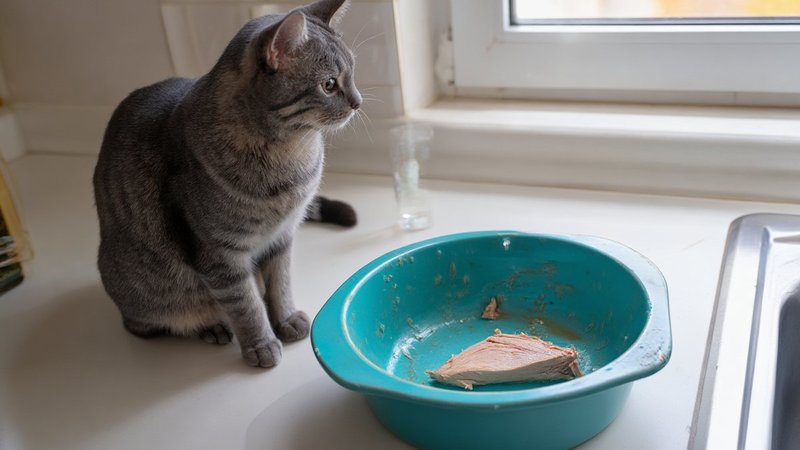
- Choose tuna packed in water — spring water, nothing added. No oil, no brine, no "seasoned" or flavors like lemon-pepper or mesquite.
- Drain it thoroughly; the packing water can carry sodium even when the fish itself is plain.
- Serve a treat-sized flake — roughly a teaspoon or two for an adult cat, not half the can.
- Keep it in rotation, not routine: think weekly treat, not daily topping. Frequent small doses matter more than one big one.
- Watch for the hook forming. If your cat starts refusing regular food after tuna days, that preference is already too strong — cut tuna out entirely and reset.
- Never feed tuna from a can that has been open in the refrigerator for days; treat leftovers like your own food rules.
When Tuna Is a Symptom, Not a Snack
One more angle worth knowing: sudden intense interest in tuna in a previously picky cat is sometimes a health signal instead of a preference. Increased appetite and thirst together, for example, are classic early signs of conditions like diabetes or hyperthyroidism, where the cat feels hungry regardless of what it eats. A gradual food fixation is behavior; a sharp new one in a middle-aged or older cat deserves a checkup before it deserves a bigger can. The cat drinking lots of water guide covers the thirst half of that pattern.
A Worked Example: Talking Diet at a Wellness Visit in Orangeburg, South Carolina
Diet questions — tuna, raw food, how much to feed — are the ones owners most often save for a real visit instead of googling first, and any appointment is the right time to ask. For owners around Orangeburg, Vetco Vaccination Clinic on Medway Drive is a local wellness stop with a 5.0 rating from the reviews on file, the kind of place where routine visits make it easy to state exactly what your cat eats in a week and get an unembarrassed answer about whether the tuna habit is harmless or needs trimming. If the answer points to a fuller workup, the wider cat vets in Orangeburg, SC listing connects you to full-service practices equipped for bloodwork and diet-management plans.
Vetco Vaccination Clinic
126 Medway Dr, Orangeburg, SC, 29118
Phone: (803) 997-6171
⭐ 5.0
The Bottom Line on Tuna
Plain, water-packed, occasional, small — those four qualifiers turn tuna from a slow-motion problem into a perfectly fine indulgence your cat will consider a major life event. Keep a complete, balanced cat food as the actual diet, let tuna run the "special occasion" slot, and never let a tuna preference grow strong enough to hold regular food hostage. For the bigger picture on fish and other people-food questions, the foods cats can't eat guide sorts the dangerous from the merely unwise, and the senior cat feeding guide covers how nutritional needs shift as cats age.
This article is editorial content produced by the CatVetFinder team. Clinic details are drawn from public listings and may change — always confirm hours and services with the clinic directly.