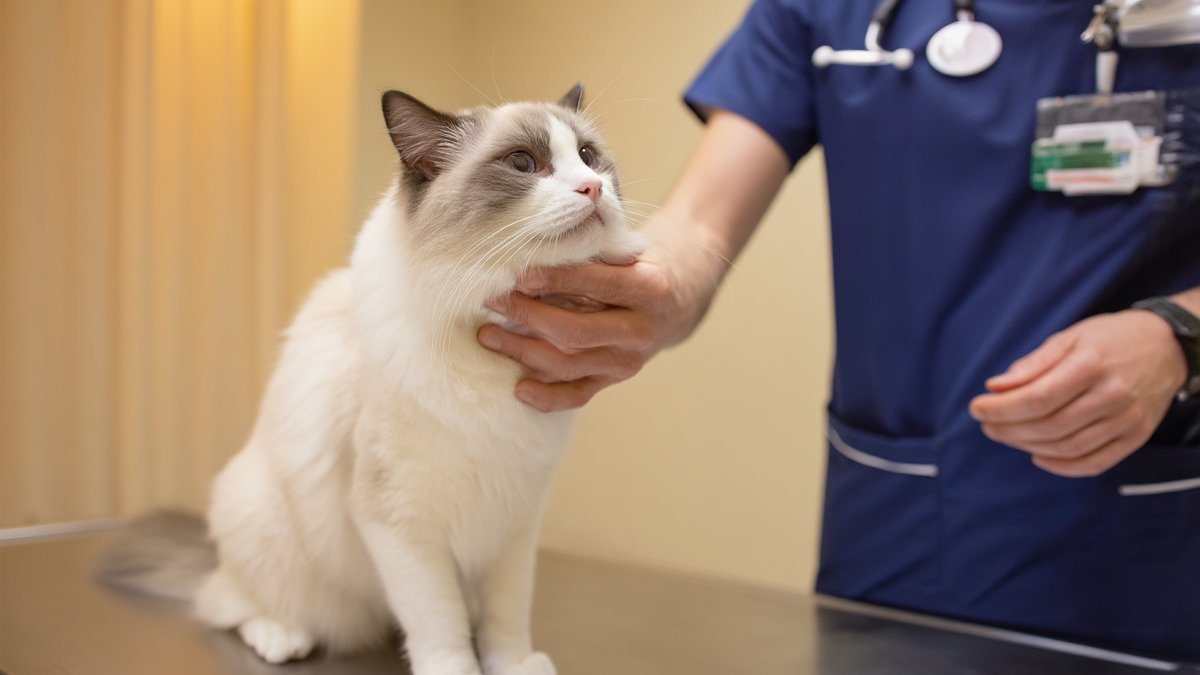
Flip your cat’s chin and look closely: those little dark specks along the lower lip look almost like dirt, and the most common owner reaction is to scrub harder at the food bowl. They usually aren’t dirt at all. Feline chin acne is one of the most common skin conditions vets see, and it shows up in exactly one place — the hairless strip of skin between the lower lip and the chin.
The good news is that most cases are cosmetic and manageable at home. The trick is telling the difference between a waxy speck problem that a washcloth can fix and an infected, swollen chin that needs prescription treatment. This guide walks through what chin acne actually is, why it happens, the at-home routine that clears mild cases, and the warning signs that mean it’s time for an exam.
What Feline Chin Acne Actually Is
The skin on a cat’s chin is packed with sebaceous glands — oil producers that serve scent-marking and grooming functions. In chin acne, those glands’ openings clog with keratin and sebum, forming blackheads (comedones) that look like pepper flakes or small dark bumps. Left alone, some plugged follicles rupture or become infected by normal skin bacteria, which turns a speck problem into red swelling, pimples, and sometimes a painfully inflamed chin that bleeds when the cat rubs it on furniture.
Vets grade it roughly in three tiers: mild (blackheads and a bit of waxy debris, no inflammation), moderate (red bumps, pimples, hair loss on the chin), and severe (swelling, draining tracts, bleeding, or a chin that looks bruised). The first two respond well to the home routine below; the third genuinely needs a vet, both for treatment and because a few lookalike conditions — Demodex mites, Malassezia yeast, ringworm, even certain cancers — only a skin scraping can rule out.
Own a Veterinary Clinic?
Enjoyed this article? Our editorial team researches, writes, and publishes professional features just like this one about clinics across the US. Get your practice in front of thousands of cat owners searching for a vet in your city.
Why It Happens: The Usual Suspects
No single cause explains every case, but the recurring ones are worth knowing because most are fixable:
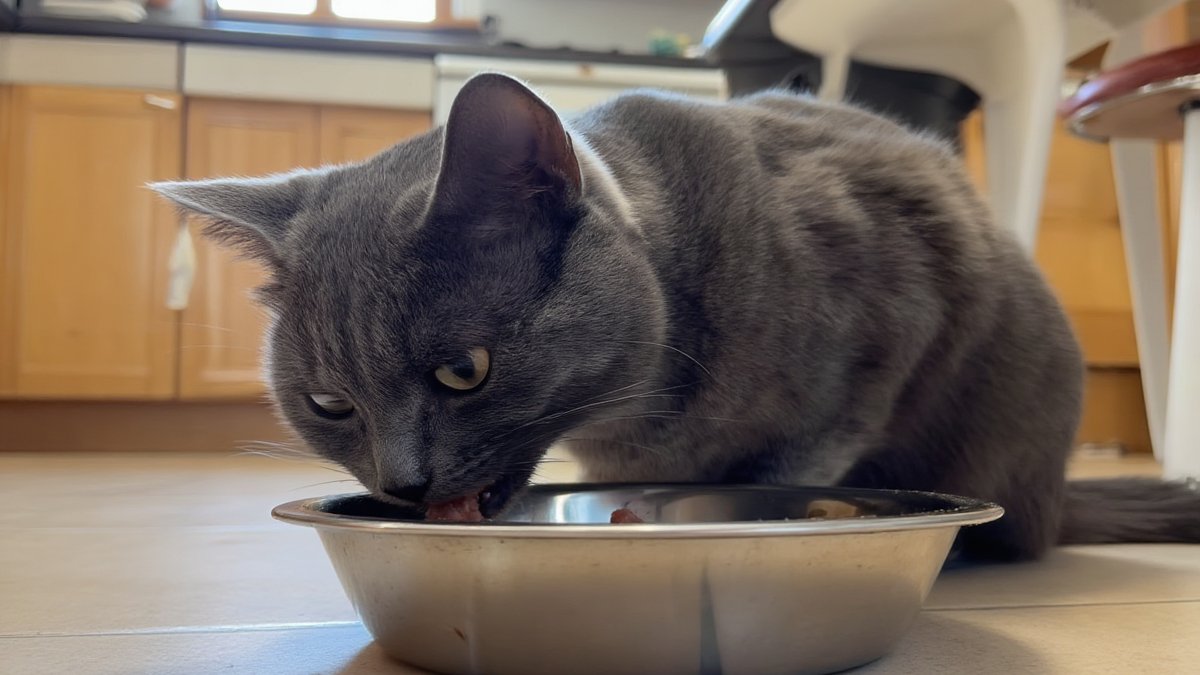
- Plastic bowls. Scratched plastic harbors bacteria and biofilm that transfer to the chin with every meal. Ceramic, glass, or stainless bowls remove this trigger entirely — it’s the single cheapest fix.
- Poor grooming of the chin. Older, overweight, or arthritic cats physically can’t groom that spot well, so oils and debris accumulate. Older cats and brachycephalic breeds (Persians, Exotics) show up with chin acne more often for this reason.
- Overactive sebaceous glands. Some cats simply produce more chin oil, the same way some teenagers get acne. Purely individual, usually lifelong but manageable.
- Stress-related overgrooming or suppressed grooming. Both ends of the grooming spectrum can trigger it.
- Underlying skin disease. Allergies and yeast overgrowth can present on the chin first.
The Home Routine That Clears Mild Cases
For blackheads without redness or swelling, the routine is mechanical, not medicinal: soften the debris, lift it off, and stop re-clogging the follicles. Do this two to three times a week, not daily — over-scrubbing inflames the skin and makes things worse.
- Soak a clean washcloth in warm (not hot) water and hold it against the chin for 30–60 seconds to soften the plugs.
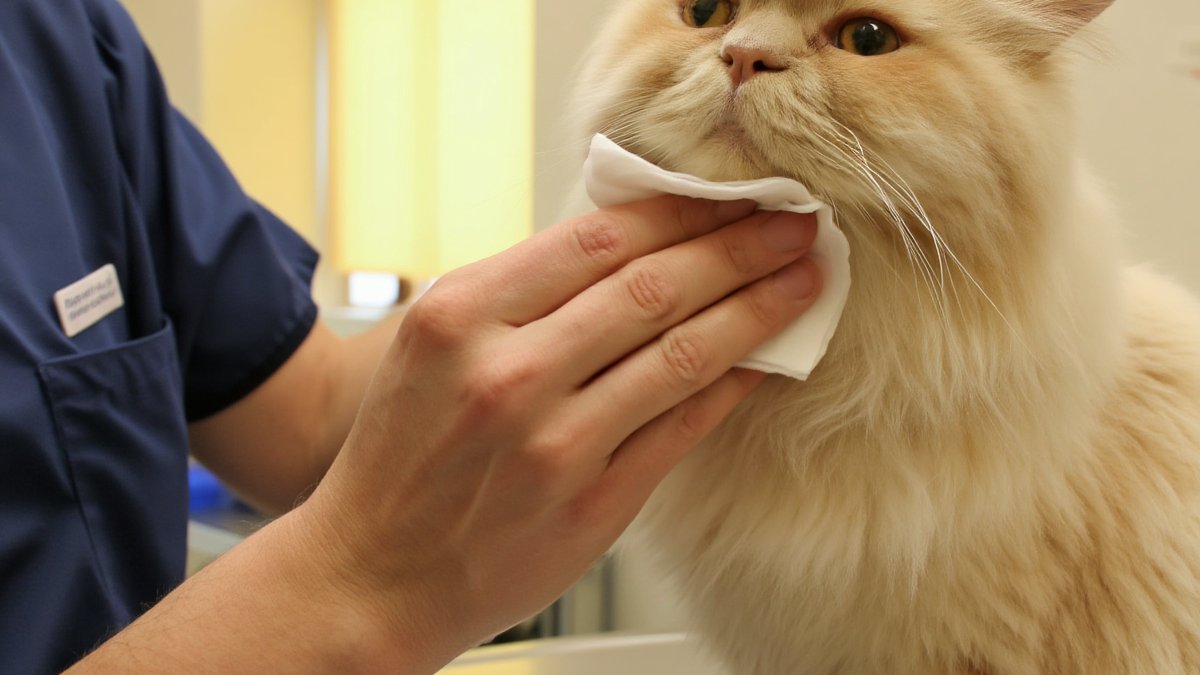
- Wipe gently in one direction with the cloth — or use a cat-formulated chlorhexidine or benzoyl-peroxide wipe, which most pet stores stock. Never use human acne products; salicylic acid and benzoyl peroxide at human strength are toxic to cats.
- Follow with a clean-water wipe to remove residue, then pat dry.
- Swap every plastic bowl in the house for ceramic or stainless and wash them daily.
- Check progress weekly. Mild comedones usually fade noticeably within two to three weeks.
When It Needs a Vet Instead
Some signs move this from home-care territory to an exam: the chin is red, swollen, or bleeding; the cat is pawing at it or resisting being touched there; the bumps have become pimples or are draining; hair is falling out on the chin; or two weeks of the home routine produced no visible change. Moderate-to-severe acne is treated with prescription topicals (mupirocin is the common first choice), oral antibiotics when follicles are infected, and in stubborn cases short steroid courses or isotretinoin-type medications. Severe cases also warrant a skin scraping and cytology, because misdiagnosing mites or yeast as "just acne" wastes weeks of the wrong treatment.
A worked example: around Durham, Parkwood Animal Hospital on NC-55 is a well-reviewed local practice where a stubborn chin case can get a same-week scraping and a treatment plan — the kind of visit that ends an endless cycle of wipes that never quite work. Owners elsewhere can browse the cat vets in Durham, NC listing or search the national CatVetFinder directory.
Parkwood Animal Hospital
5107 NC-55 Suite 101, Durham, NC, 27713
Phone: (919) 544-7711
⭐ 5.0
Prevention: Keeping It From Coming Back
Chin acne tends to be chronic rather than cured — most cats who get it once will have periodic flare-ups for life. The maintenance plan is small: non-plastic bowls washed daily, a weekly wipe-down of the chin even when it looks clear, and keeping overweight or senior cats’ grooming ability supported (regular brushing helps far more than it seems, since it removes the oils the chin can’t shed). Cats on steroid treatment or with diagnosed allergies should have chin checks folded into their regular recheck visits, because flares often ride along with the underlying condition.
Questions About Cat Chin Acne
This article is editorial content produced by the CatVetFinder team. Clinic details are drawn from public listings and may change — always confirm hours and services with the clinic directly.