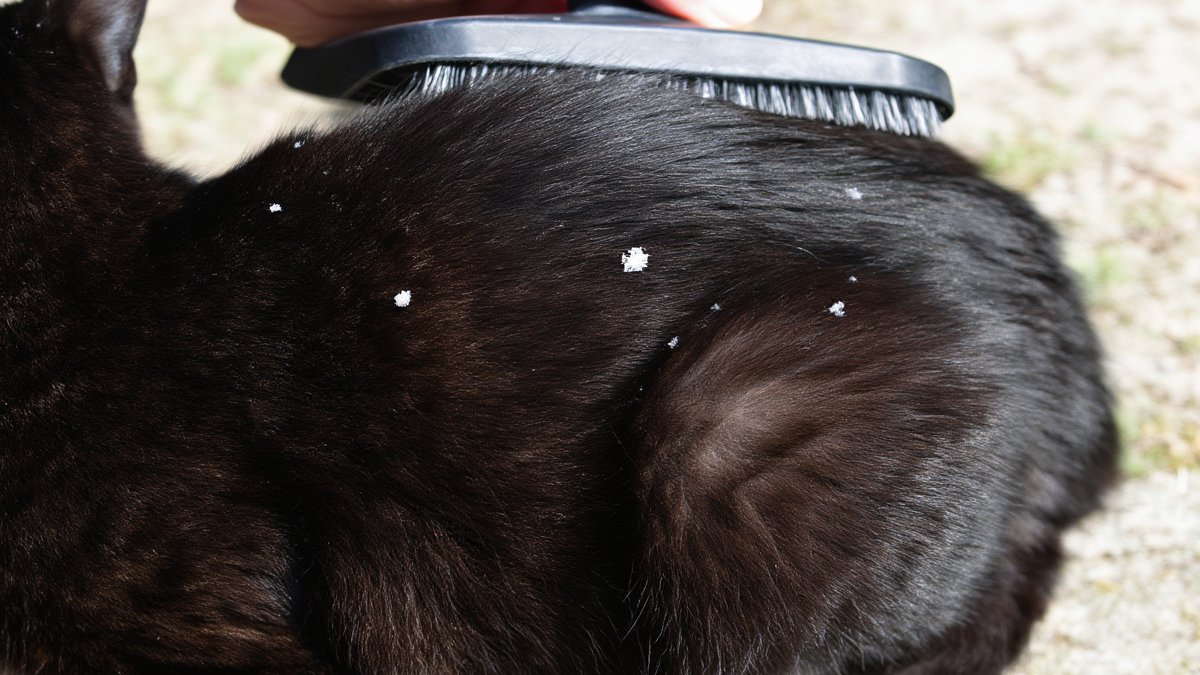
Dandruff announces itself on a cat quietly: a few white specks on a dark sweater, flakes standing out against a black cat’s back where a brush just passed. It is one of the most common things cat owners notice on their own, and one of the most commonly ignored — because flaky skin seems cosmetic. Sometimes it is. But cat dandruff is also the outward sign of everything from bone-dry air and a fatty-acid-short diet to fleas, allergies, and even arthritis that makes a cat groom itself poorly. This guide sorts the flakes into their causes, gives the fixes that actually work for each, and marks the points where a vet visit beats another pet-store purchase.
What Dandruff Actually Is on a Cat
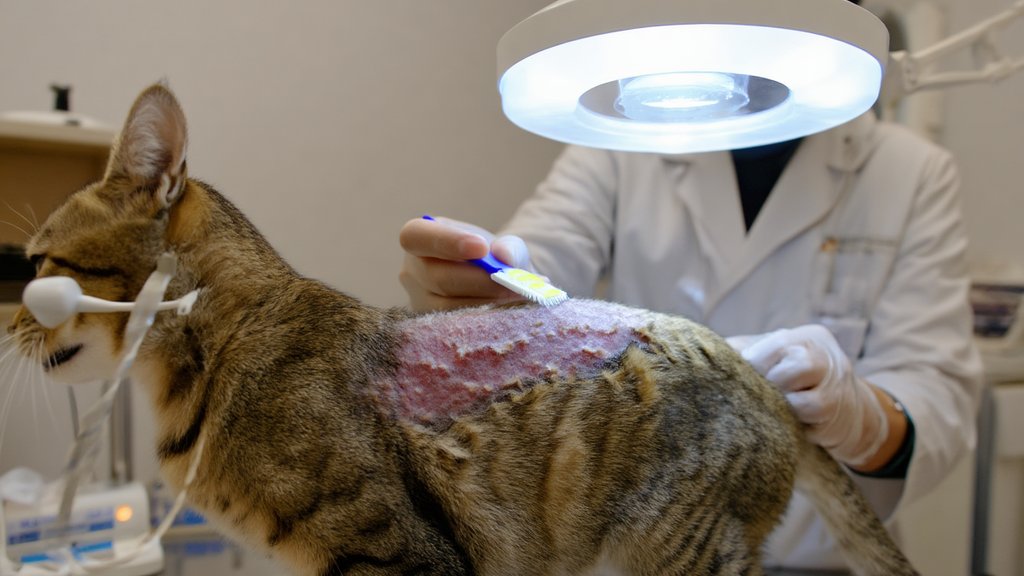
The flakes are dead skin cells clumping and shedding instead of sloughing off invisibly. Skin renews itself constantly, and when the surface barrier is dry, irritated, or inflamed, the turnover becomes visible. That is why dandruff is a symptom rather than a diagnosis: the same white specks can come from a hot, dry house in winter or from an immune system fighting fleas. One useful divider: dandruff with a quiet, comfortable cat usually lives on the environmental end of the spectrum, while dandruff plus scratching, licking, or skin bumps lives on the medical end and rarely resolves without treating the underlying cause.
The Cause List, From Ordinary to Worth-a-Visit
Own a Veterinary Clinic?
Enjoyed this article? Our editorial team researches, writes, and publishes professional features just like this one about clinics across the US. Get your practice in front of thousands of cat owners searching for a vet in your city.
- Dry indoor air. Heated homes in winter and air-conditioned climates in summer both pull moisture out of skin. Dry climate regions make this the default explanation — and the easiest one to fix.
- Diet short on fatty acids. Skin is one of the first tissues to suffer when a diet runs low in omega-3s; the coat turns dull and the flakes follow. Diets of mostly low-grade dry food are the classic setup.
- Obesity and poor grooming. A cat that cannot reach its own lower back and base of tail stops maintaining that strip of skin — dandruff concentrated along the spine of a heavy cat is often a flexibility problem, not a skin problem.
- Parasites. Cheyletiella mites — literally nicknamed "walking dandruff" — and plain fleas both create flaking; a cat allergic to flea saliva flakes and itches from a single bite [[flea allergy dermatitis in cats|/blog/cat-flea-allergy-dermatitis/]].
- Allergies. Food and environmental allergies inflame the skin, and flaking is one of their quieter expressions, often paired with chin bumps or ear trouble [[cat ear infection signs|/blog/cat-ear-infection-signs/]].
- Skin infection and systemic disease. Bacterial or yeast infections, and less commonly conditions like hyperthyroidism or diabetes, all change skin turnover. Dandruff in a cat that is also drinking more, losing weight, or acting off belongs at the clinic, not the pet store.
What Actually Helps, Cause by Cause
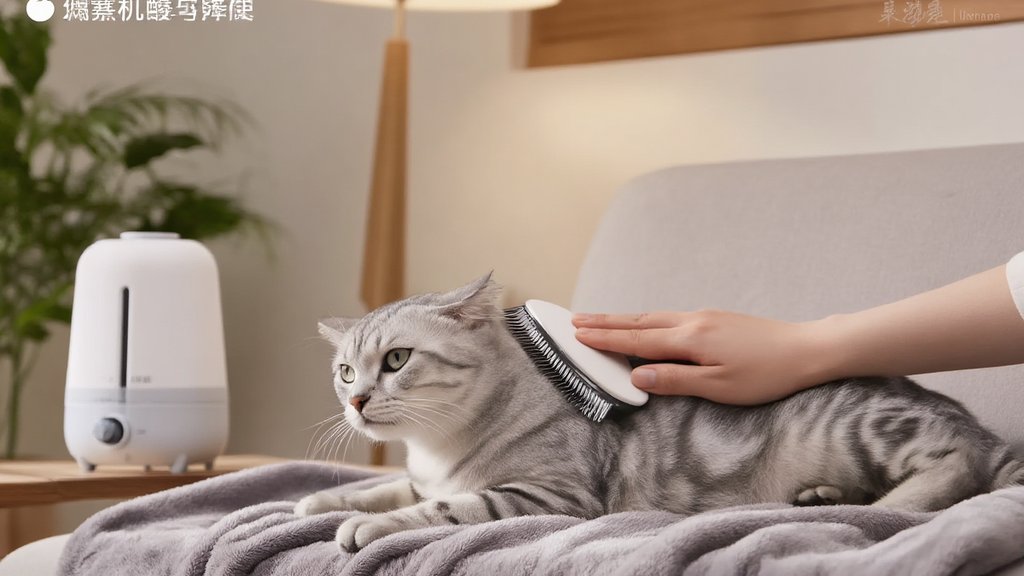
The fix follows the diagnosis, which is why the shopping-aisle approach — buy a dandruff shampoo, hope — so often disappoints. For dry air: a humidifier holding indoor humidity in the 40 to 50 percent range does more for winter flaking than any topical product, and it helps the owner’s skin too. For diet: add a vet-approved omega-3 fish-oil supplement or move to a food with a named animal protein first in the list; coat improvements show up in four to six weeks. For the obese cat with a flaky spine: weight loss plus regular brushing to cover the unreachable strip, with the brush doing the grooming the cat cannot. For parasites: year-round flea prevention regardless of whether fleas are visible — indoor cats get fleas too indoor cat parasite prevention. For allergy-driven flaking: identify and manage the trigger, which is a vet-guided process, not a guessing game.
What This Looks Like in Practice: Medical Veterinary Services, Midland, TX
Medical Veterinary Services
5301 W Wadley Ave, Midland, TX, 79707
Phone: (432) 697-0290
⭐ 4.7 (147 reviews)
As a worked example: Medical Veterinary Services at 5301 W Wadley Ave in Midland, Texas holds a 4.7-star average across 147 client reviews, and the setting sharpens the topic — West Texas is an arid climate where low humidity is the everyday default, so skin and coat complaints are routine work there rather than oddities. A flaky-skin visit is a hands-on differential: flea combing, a look at the flake distribution, skin scrapings or cytology if mites or infection are suspected, and a diet conversation with a plan attached. Call (432) 697-0290, and Midland owners comparing practices can browse cat vets in Midland, TX first.
The Short Version for Skimmers
Fix the environment first: humidity in the 40–50 range, a brush several times a week, and an omega-3 or better diet if the coat is dull. Give flea prevention year-round even indoors, and treat a flaky spine on a heavy cat as a weight-and-flexibility problem. Escalate to a vet when flakes come with scratching, hair loss, scabs, weight or thirst changes — or when the cat is otherwise just not itself. A cat that scratches its ears raw alongside the flaking has its own answer waiting cat ear mites.
This article is editorial content produced by the CatVetFinder team. Clinic details are drawn from public listings and may change — always confirm hours and services with the clinic directly.