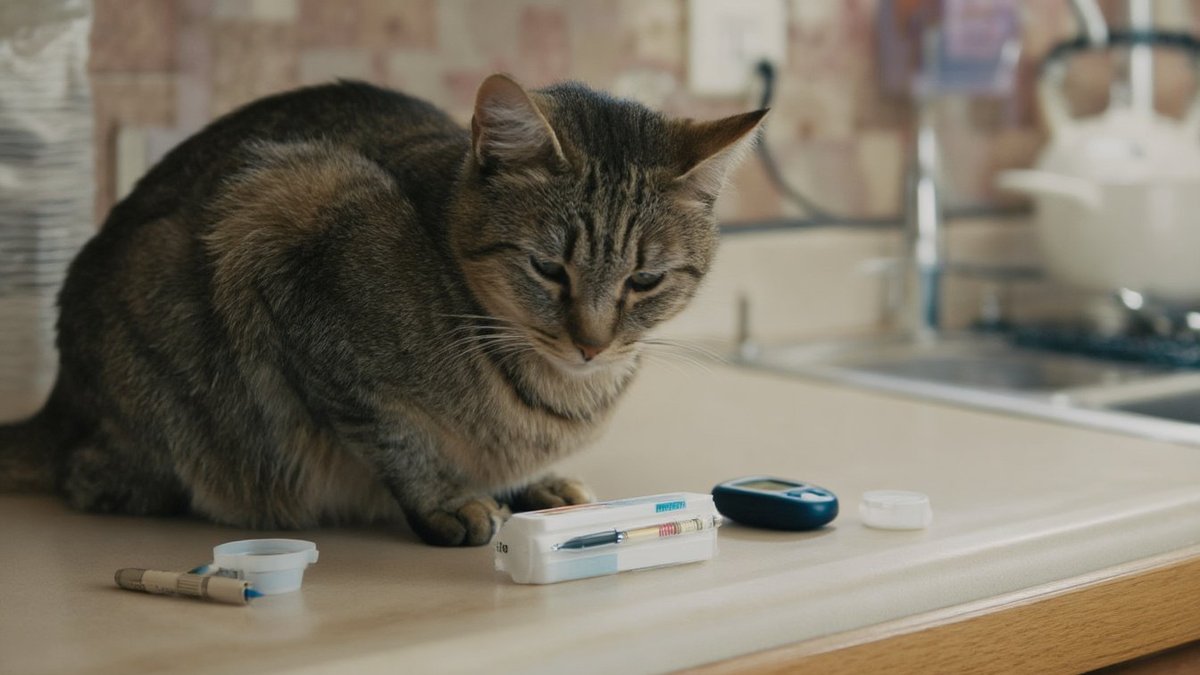
A diabetes diagnosis sounds like the start of a medical saga, and in practice it usually settles into something else: a two-minute routine, twice a day, for a cat who lives a completely normal life. The first weeks carry most of the learning curve — drawing insulin, giving injections a cat barely notices, coordinating meals with doses — and after that, home care is rhythm, not crisis management. What determines whether it stays that way is the routine itself. Insulin given at the wrong time relative to food, or a dose guess made to "fix" a high number, are the two mistakes that turn a stable diabetic cat into an emergency. This guide walks through the routine that avoids both.
The Daily Routine, in Order
- Feed first, then inject — or at minimum, food offered and actually eaten before the needle goes in. Insulin acts on the meal; a dose given to a cat who then refuses to eat has nothing to act on. This one sequencing rule prevents the majority of low-blood-sugar emergencies at home.
- Give insulin at the same times every day, twelve hours apart for the common twice-daily protocols. A dosing clock that drifts by hours makes both the insulin and any home monitoring hard to interpret.
- Keep the injection low-effort. Pinch a small tent of skin on the flank or scruff, insert the needle quickly, done — most cats on a steady routine stop reacting entirely. Rotate sides so the same spot is not used twice a day, every day.
- Handle insulin like the perishable it is. Keep the bottle in the refrigerator, never freeze it, roll gently rather than shaking, and discard open vials on the schedule your vet gives you rather than stretching them. A vial that has been left in a hot car or frozen can look fine and dosing from it is a guessing game.
- Watch weight, water, and litter. Three things tell you more than anything else between vet visits: a diabetic cat who is drinking noticeably less, stopping the flood at the bowl, and producing less urine is very likely improving; the reverse trend is worth a call.
Feeding the Diabetic Cat
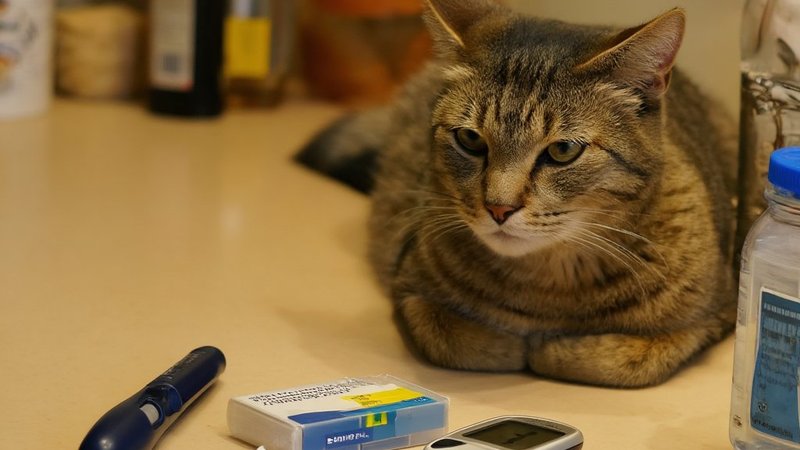
Food is half the treatment. Most diabetic cats do best on consistent meals rather than a grazing bowl, because timed meals are what make timed insulin safe. The composition question has shifted over the years: current consensus leans toward lower-carbohydrate diets — canned food is usually well below the carbohydrate level of dry — but the specific choice depends on the cat, and weight loss in an overweight diabetic cat is itself treatment, since shedding excess weight can dramatically reduce insulin needs and in some cats pushes diabetes into remission. The practical rules that work in every case: same food, same amounts, same times, and no new treats dropped in mid-protocol without thinking about what they do to the glucose curve. If your cat has never been a meal-eater and free-fed her whole life, ask your vet for a transition plan rather than changing everything in one weekend — a diabetic cat who stops eating entirely is a problem of its own.
Hypoglycemia: The Emergency Every Owner Must Know Cold
Too much insulin, a skipped meal, or extra exertion can drop blood sugar below what the brain needs. Early signs look like mild drunkenness: wobbliness, weakness in the hind legs, glazed or vacant behavior, unusual hunger or frantic eating. If it progresses, seizures and collapse follow. The response, in order:
Own a Veterinary Clinic?
Enjoyed this article? Our editorial team researches, writes, and publishes professional features just like this one about clinics across the US. Get your practice in front of thousands of cat owners searching for a vet in your city.
- If the cat can swallow, rub a small amount of corn syrup, honey, or maple syrup on the gums — it absorbs through the mouth tissue and does not require swallowing.
- Once she brightens, feed a small meal immediately to keep the number from falling again.
- Call your vet either way, even if she seems fully recovered. An episode means the current routine needs adjusting, and a rebound high later that day is common.
- Know that severe episodes — seizure, unconsciousness — are an emergency-room trip, not a home project, even after syrup has helped.
Keep the syrup somewhere fixed and known to every member of the household, including whoever covers cat duty when you travel. The middle of a hypoglycemic episode is the wrong time to search a pantry.
Monitoring Without Obsessing
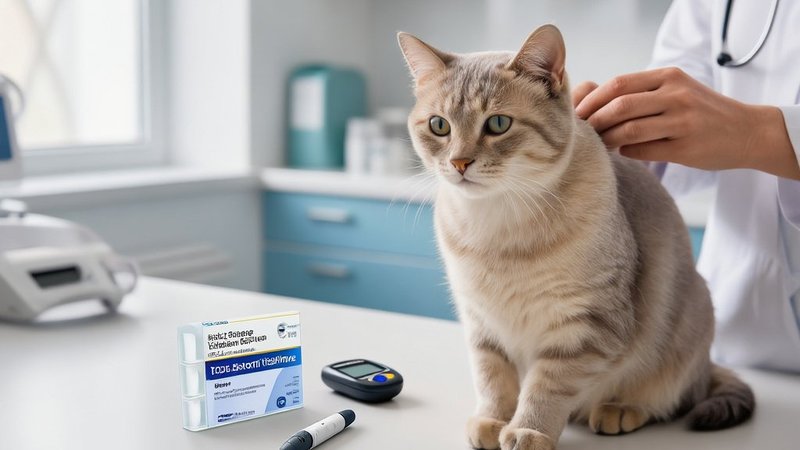
Home glucose meters made for pets (or calibrated for cats) let you build glucose curves at home instead of hauling a stressed cat to the clinic — and stress alone can inflate a clinic-side reading enough to distort dosing decisions. Most stable diabetics do not need daily testing; a curve every few weeks, or before and after any routine change, is typical once the dose has settled. Track the daily observations that cost nothing: water intake, appetite, weight, litter output, and general energy. A simple note on your phone per day is enough, and it turns a vague "he seems off" into actionable data at the next appointment. Remission is a real outcome worth working toward — a meaningful share of diabetic cats, especially those who lose weight early in treatment, reach the point where insulin stops being needed. That decision is always the vet's, made on measured numbers, never on how good the cat seems.
What This Looks Like in Practice: Mercy Veterinary Hospital, Leander, TX
Mercy Veterinary Hospital
18109 Ronald Reagan Blvd Building A, Leander, TX, 78641
Phone: (512) 256-1707
⭐ 4.8 (266 reviews)
As a worked example: Mercy Veterinary Hospital on Ronald Reagan Blvd in Leander, Texas holds a 4.8-star rating across 266 local reviews, and a full-service hospital like this is where the routine gets built — the first visit typically covers insulin demonstration on your own cat, a diet plan matched to what she will actually eat, a hypoglycemia action sheet, and a schedule for the curves that guide dose adjustments. Leander owners can call the clinic at (512) 256-1707, and the cat vets in Leander listing is the place to compare every local practice.
If You Only Read One Section
Food before insulin, doses on a fixed clock, insulin refrigerated and never self-adjusted, and consistent meals over a grazing bowl. Learn the wobble-and-weakness signs of low blood sugar and keep syrup where everyone can find it. Monitor with water bowl, weight, and litter box between vet visits — and remember that weight loss toward a lean body is treatment, not just management, with remission a real possible destination.
This article is editorial content produced by the CatVetFinder team. Clinic details are drawn from public listings and may change — always confirm hours and services with the clinic directly.