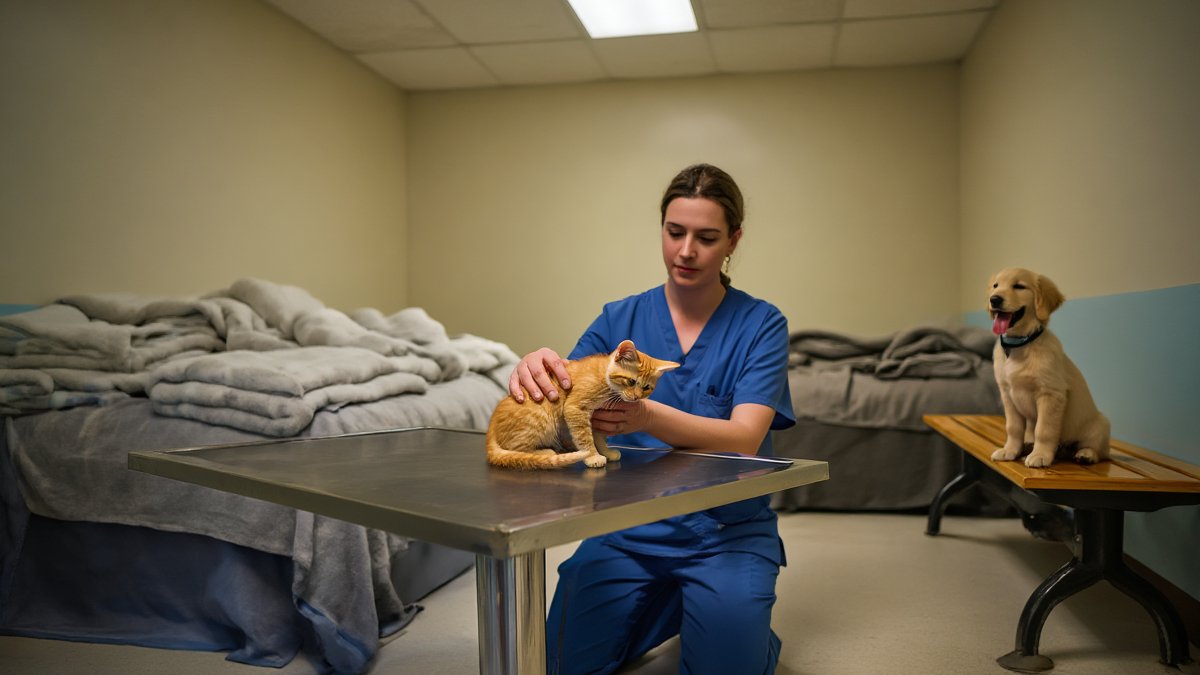
Few things startle a cat owner like walking into the room and finding your cat sitting with her head cocked hard to one side, or staggering across the floor as if the room is tipping. The instinct is to assume a stroke or something fatal — and the instinct is almost always wrong. In cats, a sudden head tilt with loss of balance is the classic picture of a problem in the balance system: the inner ears, the nerves that serve them, or the parts of the brain that process their signals. Most of those problems are uncomfortable but treatable, and several are dramatically treatable. What matters is telling the urgent pattern from the manageable one quickly, because a small set of causes genuinely are emergencies. This guide answers the questions owners actually ask when it happens to them.
Own a Veterinary Clinic?
Enjoyed this article? Our editorial team researches, writes, and publishes professional features just like this one about clinics across the US. Get your practice in front of thousands of cat owners searching for a vet in your city.
Why Is My Cat Suddenly Tilting Her Head and Falling Over?
The short answer: something has disrupted the balance system on one side of the head. Your cat's inner ears work like tiny gyroscopes; when one side reports motion that the other side does not, the brain reads the mismatch as spinning, and the cat tilts, drifts, or rolls to compensate. The mismatch comes from one of three neighborhoods — and the neighborhood determines whether this is a Tuesday or an emergency:
- The inner ear itself. Middle and inner ear infections (often extensions of long-neglected ear infections or polyps) are the most common cause. The head tilts toward the sick ear, and cats are usually still bright, eating, and alert — miserable, but themselves.
- The nerve to the inner ear, with no infection. Idiopathic vestibular disease — "idiopathic" meaning the cause never gets pinned down — produces the same dramatic wobble and tilt, peaks within a day, and largely resolves on its own over one to two weeks. It is the feline cousin of the human condition that starts with waking up dizzy on the bedroom floor.
- The brain. Tumors, inflammation, and thiamine deficiency affect the brainstem and cerebellum. Head tilt plus abnormalities beyond balance — seizures, circling tightly, mental dullness, weakness on one side — pushes the case toward this group, and this is the group where hours matter.
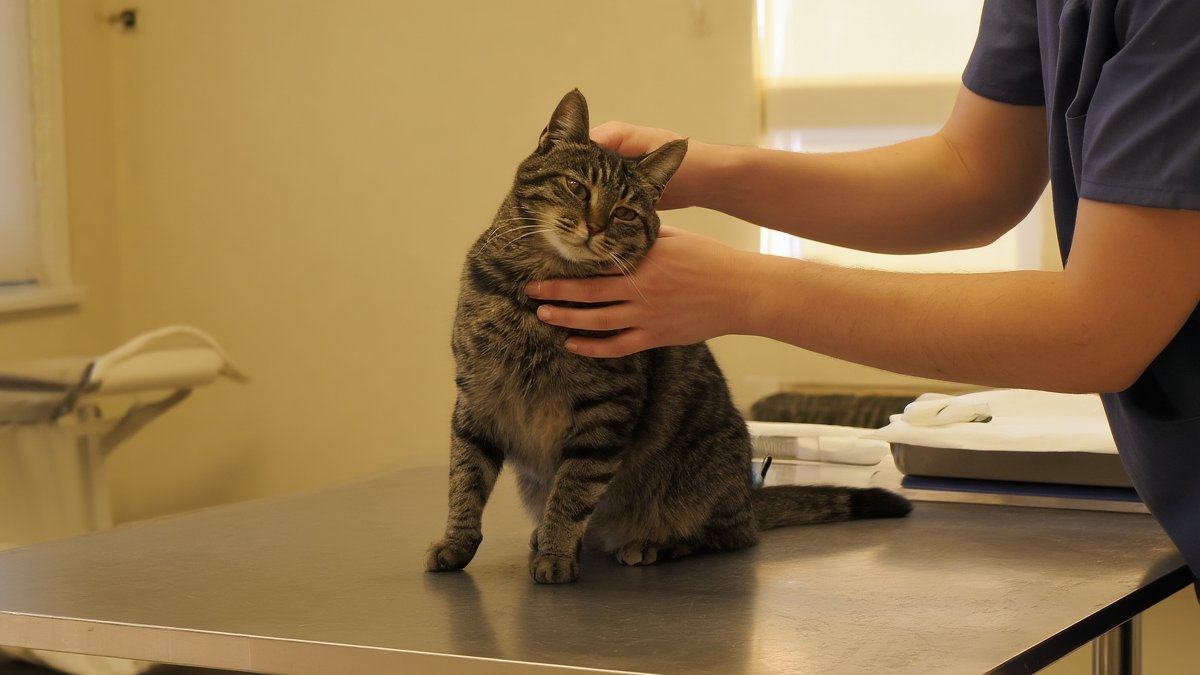
How Do You Tell a Wobbly Cat From a Sick One? The Pattern Table
| What you see | Most likely story | Your move |
|---|---|---|
| Head tilt, still eats, walks a bit drunk | Inner ear infection or idiopathic vestibular disease | Vet visit within 24 hours; not a wait-and-see topic |
| Tilt + drifting to one side + darting eyes | Peripheral vestibular episode in full swing | Same-day vet visit to rule out ear disease and toxins |
| Tilt + rolling, vomiting, or falling repeatedly | Severe vestibular event or central cause | Emergency clinic now |
| Tilt + seizures or dull, unresponsive behavior | Brain involvement | Emergency clinic now |
| Slowly worsening tilt over weeks, senior cat | Mass or chronic ear disease | Book a workup this week — imaging may be needed |
| Wobble after a topical flea product | Toxic reaction (usually permethrin) | Bathe the product off, emergency clinic now |
One distinction trips owners up: a cat who is uncoordinated is not necessarily a cat who is weak. Vestibular cats can have strong legs and still fall over, because the navigation system, not the engine, is at fault. Weakness — a cat whose hind end buckles, who drags paws, or cannot rise at all — is a different problem set, closer to what we cover in the lethargy and seizure guides, and it changes the urgency calculus the other direction.
What Will the Vet Actually Do?
- Neurologic and ear exam. The vet checks eye position and movement, tests which side the tilt favors, looks deep into both ear canals, and checks the rest of the neurologic exam. Peripheral disease (ear) spares most of the neuro exam; central disease does not — that split is the fork in the road.
- Otoscopic cleaning and cytology. If the ear canal is full of debris, a sample is stained and looked at under the microscope — bacteria, yeast, mites, and polyps each tell a different story.
- Bloodwork. A baseline panel rules out metabolic contributors and, in a senior cat, screens the thyroid and kidneys that shape treatment choices.
- Imaging when indicated. Skull X-rays or advanced imaging (CT/MRI) enter the picture when the ear exam and neuro exam disagree, when signs suggest central disease, or when a middle ear infection refuses to clear.
- Treatment. Ear infections get cleaned and treated with the right drops or oral medication; idiopathic cases get motion-sickness-style support and time; suspected central disease gets referred for imaging sooner rather than later.
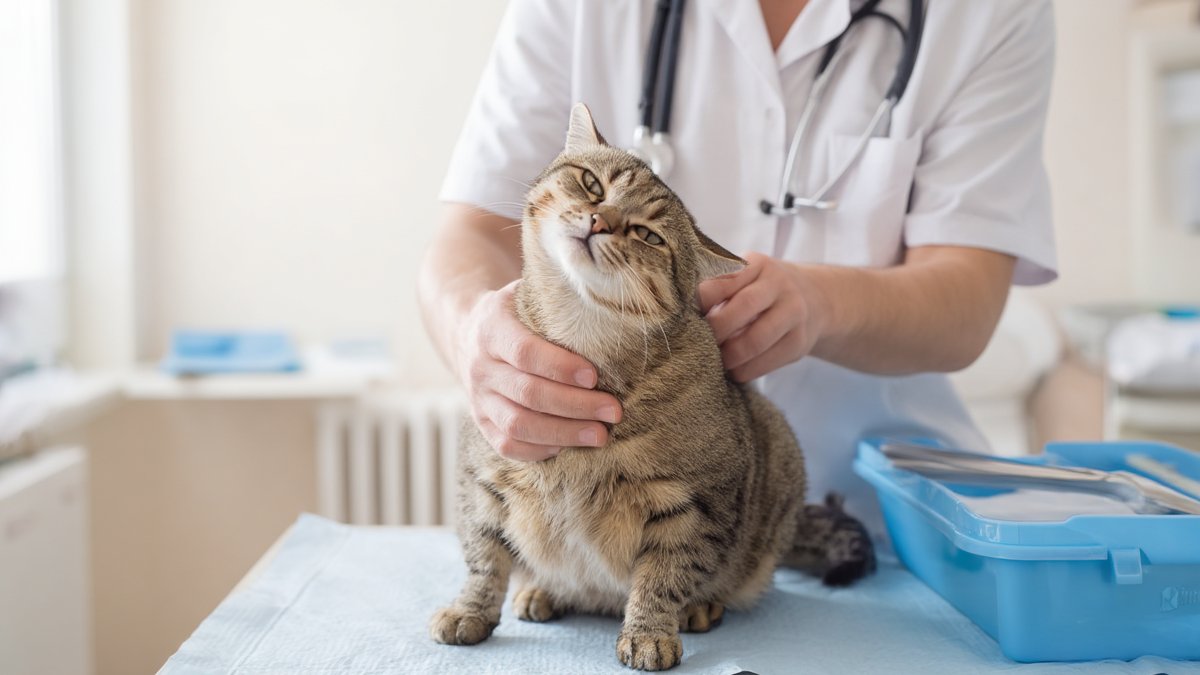
What This Looks Like in Practice: Small Animal Hospital, Milwaukee, WI
Small Animal Hospital
2340 N Newhall St, Milwaukee, WI, 53211
Phone: (414) 276-0701
⭐ 4.8 (717 reviews)
As a worked example: Small Animal Hospital on N Newhall St in Milwaukee, Wisconsin holds a 4.8-star rating across 717 local reviews, and an established neighborhood hospital like this is exactly the right first stop for a peripheral vestibular case — the ear exam, cytology, and supportive care that resolve most tilts can all happen in one visit, and the clinic can tell you within minutes whether the pattern needs escalation. Milwaukee owners can reach the hospital at (414) 276-0701, and if you are still choosing a home base, the cat vets in Milwaukee listing lets you compare every local practice side by side before you need one in a hurry.
Caring for a Wobbly Cat at Home
- Confine to one safe room. A cat whose navigation is down should not be negotiating stairs, cat trees, or open balconies. One room with food, water, a low-entry litter box, and soft landings.
- Keep food and water at nose level. Some vestibular cats feel seasick and eat better from a familiar flat dish at floor level than from an elevated bowl.
- Do not medicate on your own. Human motion-sickness and anti-nausea drugs are not feline dosing trivia — several are toxic to cats. Supportive medication comes from the vet.
- Expect dramatic early improvement. Idiopathic vestibular disease peaks in the first 24–48 hours and then visibly retreats; a cat who is no better after several days needs a recheck, not more patience.
- Give the recovery time. Full resolution can take one to two weeks, and a subtle head tilt is sometimes the last thing to leave.
If You Only Read One Section
A sudden head tilt and drunken walk in a cat usually means the balance system, not the brain — most cases are ear infections or idiopathic vestibular disease, and most of those resolve. The emergency signatures are rolling, vomiting, seizures, darting eyes, or toxin exposure. Get any new tilt seen within a day, confine the cat to one safe room in the meantime, and let the exam decide which of the treatable stories you are in.
More Cat Health Guides
- Cat seizures: causes and what to do during one
- Why is my cat shaking? Tremors vs seizures
- Cat ear infection signs vs ear mites
- Senior cat vet checkups: what to test and when
- Cat fever signs: what a hot cat really means
- Small Animal Hospital — Milwaukee, WI
- Cat vets in Milwaukee, WI
- Explore cat care services
This article is editorial content produced by the CatVetFinder team. Clinic details are drawn from public listings and may change — always confirm hours and services with the clinic directly.