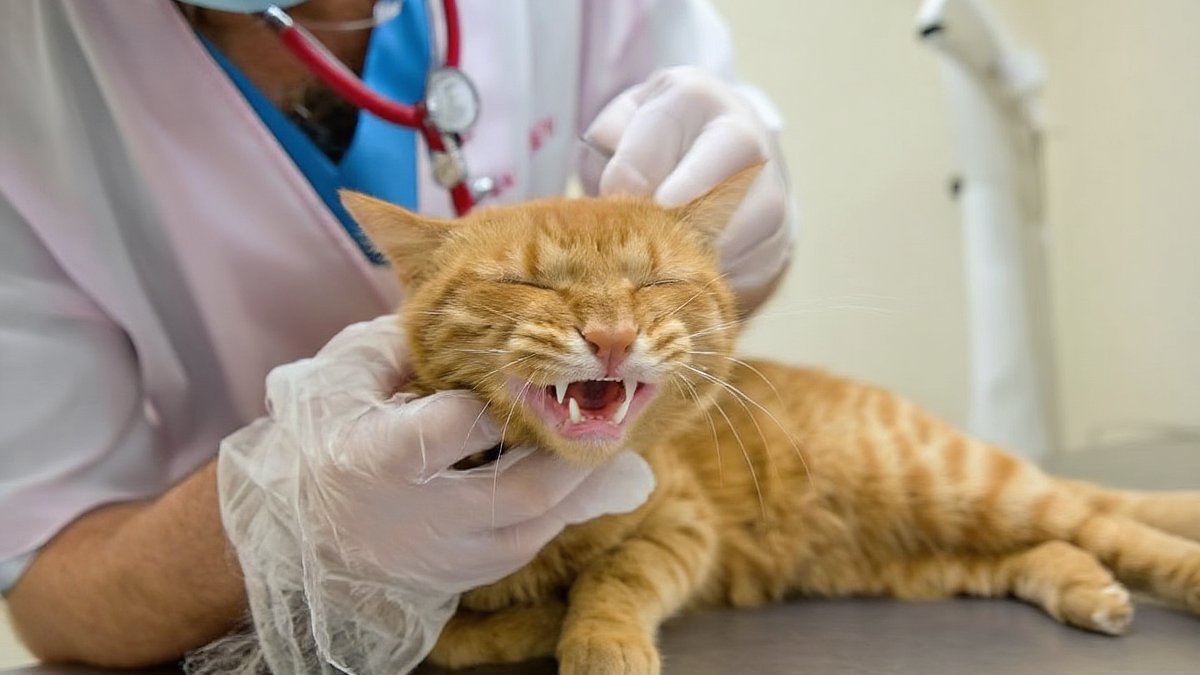
The rescued cat sits on the exam table with no paperwork and no history — maybe a stray that followed someone home, maybe a shelter transfer whose file says only "adult, estimated." Age matters more than owners expect: it sets the vaccine schedule, the diet, the dental plan, and which symptoms count as urgent. Vets estimate age the way appraisers estimate anything — from a cluster of physical markers rather than one — and the good news is that the same method works at home, at least well enough to bracket the answer. Here is the checklist, from the clues that are reliable in kittens to the honest uncertainty in seniors.
The Age-Estimation Checklist, Fastest Clues First
- Kitten teeth timeline (0–6 months, the reliable zone): no teeth yet at birth; incisors at 2–3 weeks; canine "fangs" at 3–4 weeks; adult incisors arriving at 3–4 months; all 26 baby teeth present by 6 weeks, then adult teeth replacing them from about 3.5–4 months. All 30 adult teeth are in by roughly 6–7 months — the single most useful anchor in the whole estimate.
- The middle years (7 months–10 years) get fuzzy fast: from the adult teeth in to about age 2, teeth are clean and white with sharp cusps. Yellowing tartar usually becomes visible from 2–5 years and accumulates through the middle years, but diet, genetics, and chewing habits bend that curve — a raw-diet cat at 7 can have cleaner teeth than a kibble cat at 3.
- Wear and gumline changes (5+ years): worn, flattened tooth surfaces, gum recession, and missing teeth suggest an older cat. But dental disease is a disease process, not a clock — some 8-year-olds have heavy tartar and some 15-year-olds barely do.
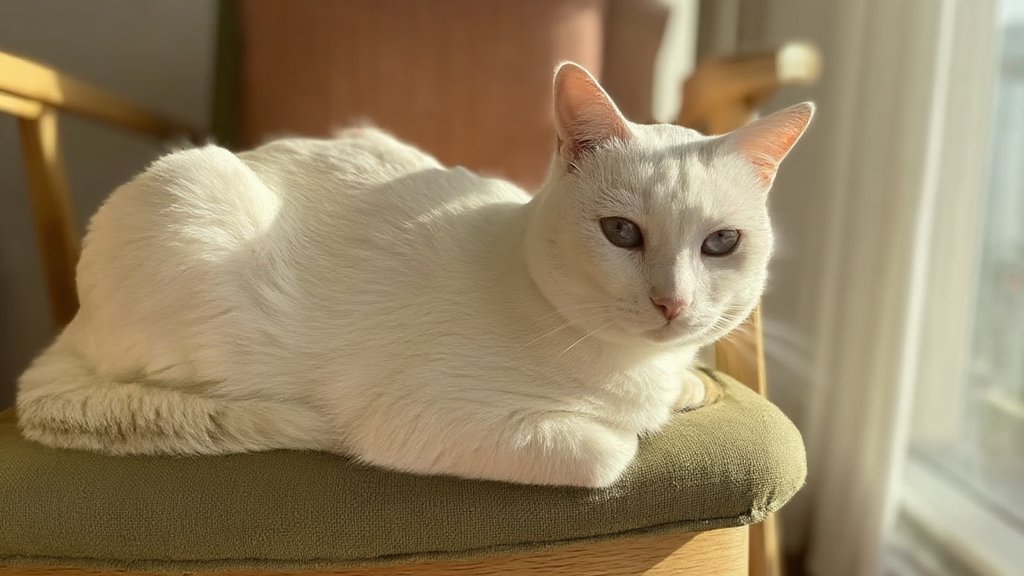
- Eyes: a young adult has crisp, clear lenses and uniform irises. From around 7–10 years, a slight haziness in the lens (nuclear sclerosis, harmless) and a lacy, thinned iris texture appear. A genuinely cloudy eye with a squint is disease, not age.
- Muscle and frame: muscle tone over the spine, shoulders, and hind legs declines with age — prominent shoulder blades and a bony spine with sunken flank suggest senior, while a muscular, well-padded build points younger.
- Coat and behavior: older cats often develop a coarser or patchier coat, occasional grooming gaps, longer and sometimes whitish whiskers, and sleep patterns that stretch past the teenage-nap baseline a kitten simply does not have.
Kitten, Adult, or Senior: Reading the Stages Together
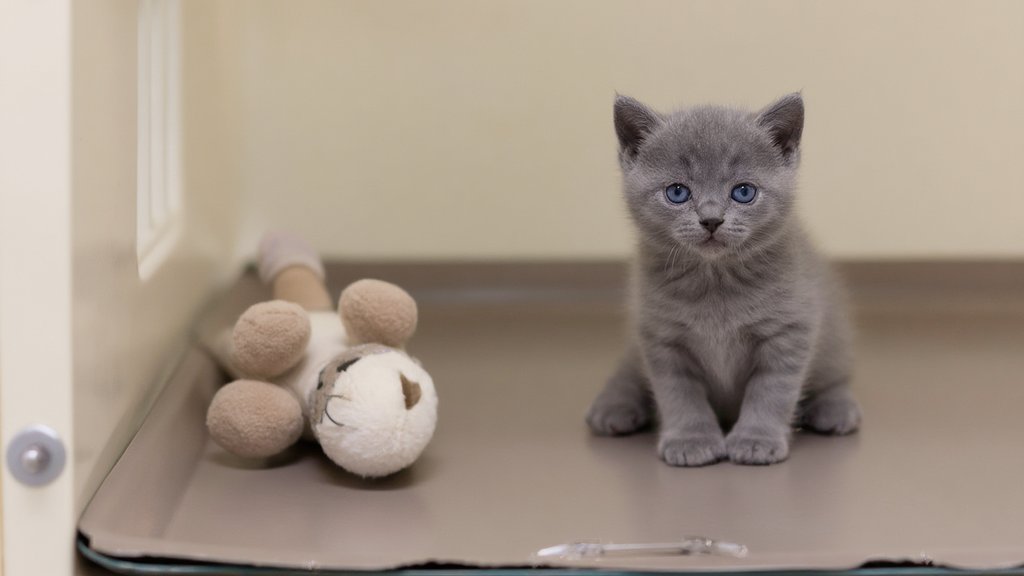
No single marker carries the estimate, so read them as a cluster. A small, lanky, blue-eyed, all-baby-teeth or half-adult-teeth animal is a kitten, and the teeth timeline pins the month surprisingly precisely — this is the only range where age estimation approaches accuracy kitten growth and weight milestones. Weight helps too: healthy kittens gain roughly a pound a month early on. A clean-toothed, firm-muscled, active animal is an adult somewhere in the 1-to-7 band, and precision stops mattering because care does not change much inside that band. The senior end is where markers converge: tartar or missing teeth, lens haze, muscle thinning over the spine, and a more sedentary pattern together point to 10-plus years, and that estimate matters enormously because senior cats need twice-yearly checkups and different screening senior cat vet checkups.
The "Cat Years" Conversion, Honestly
The old "multiply by seven" rule undershoots badly at both ends. A more useful rough chart: a 1-year-old cat is developmentally like a 15-year-old human; by 2 years, around 24; after that, each cat year adds roughly 4 human years — so a 10-year-old cat sits near 56 and a 16-year-old near 80. The conversion is a communication tool, not a measurement, but it does one useful job: it explains to owners why a 9-year-old cat with early kidney changes is not "only middle-aged" in any meaningful biological sense how long indoor cats live.
Own a Veterinary Clinic?
Enjoyed this article? Our editorial team researches, writes, and publishes professional features just like this one about clinics across the US. Get your practice in front of thousands of cat owners searching for a vet in your city.
What This Looks Like in Practice: Southwood Veterinary Clinic, Jamestown, ND
Southwood Veterinary Clinic
833 18th St SW, Jamestown, ND, 58401
Phone: (701) 252-3430
⭐ 4.8 (165 reviews)
As a worked example: Southwood Veterinary Clinic at 833 18th St SW in Jamestown, North Dakota holds a 4.8-star average across 165 client reviews, and an age-estimate visit there is a structured once-over: teeth first, then eyes, then the hands-on muscle and coat check, with weight and body condition recorded so the next visit has a comparison point. Clinics in the upper Midwest see plenty of farm-sourced and handed-down cats with zero documented history, so estimating is routine. Call (701) 252-3430, and Jamestown owners comparing practices can browse cat vets in Jamestown, ND first.
The Short Version for Skimmers
Teeth are the best clock, and they are precise only under about 6 months: baby teeth in by 6 weeks, adult set complete by 6–7 months. After that, tartar, eye haze, muscle tone, and coat quality only bracket the age. Put the clues together rather than trusting any one of them, get the estimate confirmed at a first vet visit, and let the stage — kitten, adult, senior — drive the care schedule more than the exact number.
This article is editorial content produced by the CatVetFinder team. Clinic details are drawn from public listings and may change — always confirm hours and services with the clinic directly.