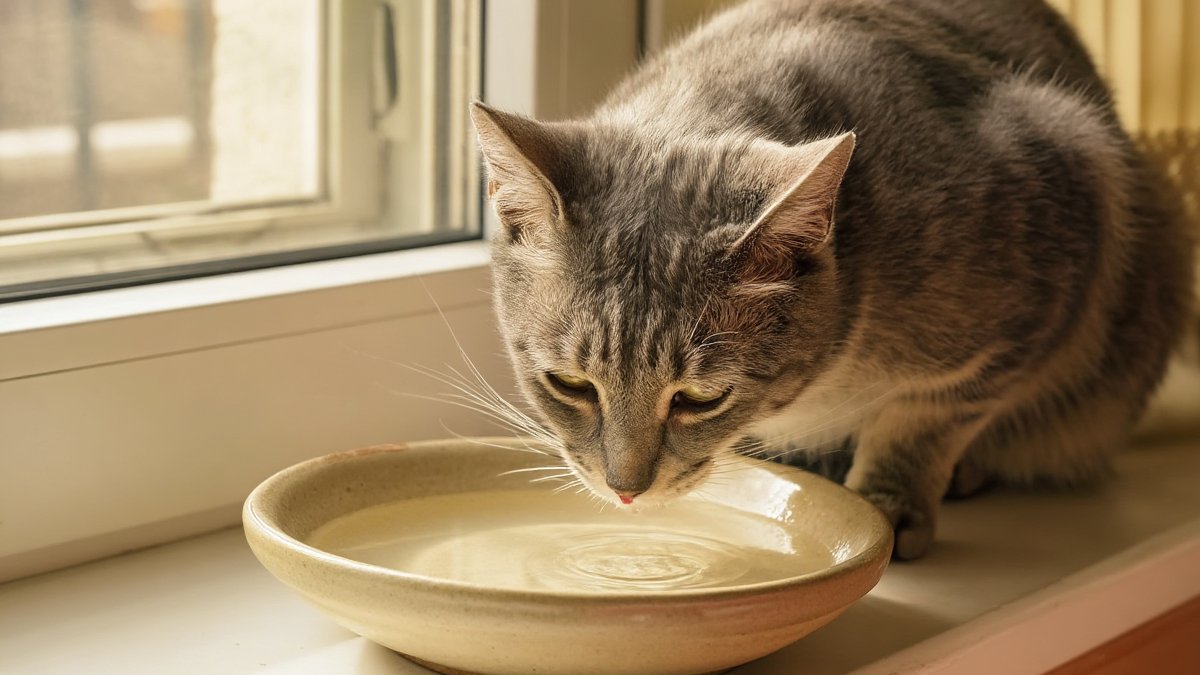
Somewhere between age seven and ten, a quiet change happens in most cats: the kidneys begin a slow, normal decline in concentrating ability, and the whole hydration math of the body shifts. A young cat who barely touched the water bowl may start drinking noticeably more — or, more often, an older cat keeps drinking exactly as little as always, and that becomes its own problem. Senior cat hydration is one of those topics that sits underneath nearly every major feline disease of later life, which is why vets ask about the water bowl at almost every senior exam.
The tricky part is that both directions of change are meaningful. Drinking more can be the first visible sign of kidney disease, diabetes, or an overactive thyroid. Drinking less — still the more common pattern — quietly stacks the deck against those same organs. This guide walks through what normal looks like for an older cat, the plan for catching problems early, and the practical home changes that actually move a senior cat's water intake.
Why Aging Changes the Water Math
Kidneys filter blood and concentrate urine; that concentrating ability is a finite resource that declines gradually with age. A senior cat's kidneys waste slightly more water to do the same job, so the same body needs more intake just to stay even. Meanwhile, older cats are less likely to compensate: arthritis makes the trip to the downstairs bowl costlier, dental pain makes cold water uncomfortable, and declining senses can make a water source literally harder to notice. Add the fact that cats evolved as desert animals with a famously weak thirst drive, and you get a species that is bad at drinking when young and worse at it when old.
The result is a paradox worth memorizing: the most common hydration failure in senior cats is not dramatic at all. It is a cat whose intake never quite keeps up with the new overhead, month after month, until bloodwork shows the kidneys have been quietly losing ground. That is also why routine senior screening — not symptom-watching — is the main detection tool.
Drinking More: The Change That Deserves a Vet Visit
Increased thirst in a cat over ten is never something to sit on. The three big drivers are chronic kidney disease, diabetes, and hyperthyroidism, and all three are common enough that a sudden change in the water bowl should trigger senior bloodwork rather than a wait-and-see. Each has its own fingerprint — kidney disease builds over months, diabetes usually brings a big appetite alongside the thirst, hyperthyroidism adds restlessness, weight loss despite eating well, and often vocalizing — but the owner-observable sign is the same: the bowl empties faster, the cat parks at the fountain, or you find yourself filling it twice a day when you used to fill it twice a week.
A practical threshold many vets use: any cat over ten whose drinking habits visibly change gets a senior panel — kidney values, thyroid level, and blood sugar — rather than an assumption. The diseases behind increased thirst are all far more manageable when caught early, and two of the three are outright treatable in ways that restore normal thirst.
Drinking Too Little: The Quieter Risk
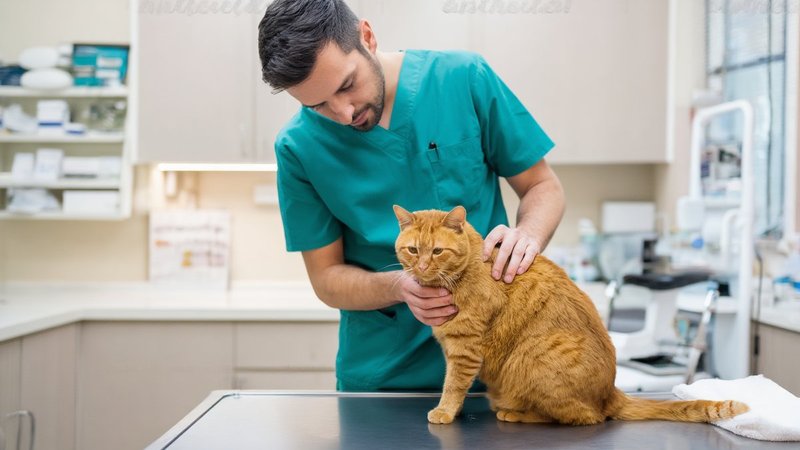
Most senior cats never announce dehydration. They simply under-drink by a small daily margin. The visible warning signs, when they appear, are late ones: tacky or sticky gums, skin at the shoulder blades that tents slowly when gently lifted, lethargy, sunken-looking eyes, or constipation that keeps recurring. Long before that, the under-drinking shows up in patterns an attentive owner can spot — dry food is eaten eagerly but water is ignored, urine clumps in the litter box are smaller than they used to be, or hard stools appear in the box every few days.
Chronic under-hydration does double damage in seniors: it makes the kidneys work against a concentrated stream, accelerating the very decline you are trying to slow, and it is a leading contributor to constipation and to the formation of urinary crystals. It is also one of the most fixable risk factors in all of senior cat care, because water intake responds well to environmental changes.
The Hydration Plan: What Actually Works
Vets and feline behaviorists converge on the same short list, and almost all of it is free or cheap:
- Feed wet food — this is the single biggest lever. Wet food is roughly 70 to 80 percent water, so a cat who switches even one meal a day to canned takes in dramatically more fluid without drinking a drop more. Many "poor drinker" seniors are, nutritionally, fine once most of their diet is wet.
- Distribute multiple water stations on every floor the cat uses. An arthritic cat will not commute to the kitchen bowl. A station near favorite resting spots removes the distance penalty.
- Use wide, shallow bowls that do not brush the whiskers, kept away from food and litter in at least one location. Whisker fatigue and proximity aversion are real reasons cats avoid otherwise good water.
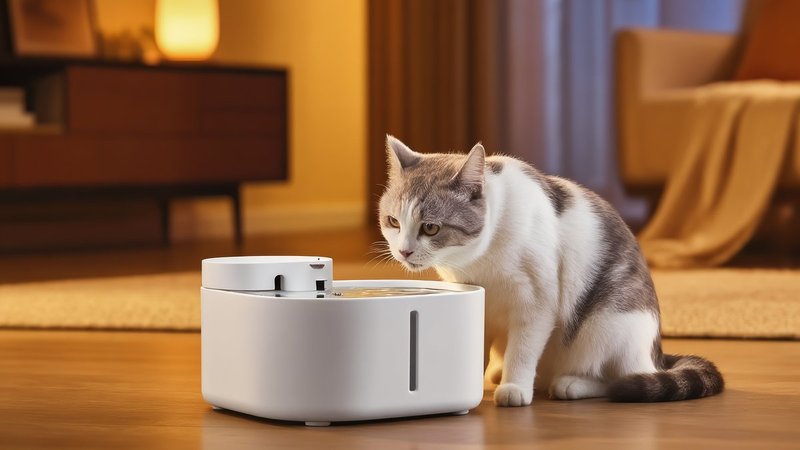
- Add a fountain if the cat responds to moving water — many seniors re-engage with drinking when water is recirculating and fresh. Clean it weekly; stagnant pump water loses its appeal fast.
- Top up bowls with cool fresh water daily, and consider adding a splash of the water from a can of tuna (in water, not oil) as an occasional flavor enticement — a trick vets suggest for reluctant drinkers.
- Ask the vet about flavored electrolyte options or subcutaneous fluids if kidney disease is already diagnosed. Fluids given under the skin at home are a routine, owner-administered therapy for cats in kidney failure and can transform both comfort and lab values.
What This Looks Like in Practice: Red Bluff Animal Hospital, Pasadena, TX
Senior wellness exams are where hydration changes get caught, and the workflow is easy to picture at a long-established neighborhood practice. In Pasadena, Texas, Red Bluff Animal Hospital on Red Bluff Road — a 4.7-star hospital with more than a thousand client reviews — runs the kind of senior visit where the water-bowl conversation and the blood draw happen in the same appointment. The vet asks what the bowl looked like last month versus this month, weighs the cat, feels the kidneys, and orders the senior panel that turns a vague "she seems thirstier" into a specific answer. Owners in the Pasadena area can also browse the full cat vets in Pasadena, TX listing to find a practice that fits their routine.
Red Bluff Animal Hospital
5009 Red Bluff Rd, Pasadena, TX, 77503
Phone: (281) 487-1101
⭐ 4.7 (1,084 reviews)
How Often Should Senior Hydration Be Checked?
For cats ten and older, the standard recommendation is a vet exam with bloodwork every six months, and hydration is one of the reasons the interval is that short — kidney values can move meaningfully inside six months in an aging cat. At home, the monitoring habit is simpler: notice the bowl. Owners who refill the same bowl at the same time each day are doing passive dialysis surveillance without knowing it, because a change in that routine is usually the first measurable sign that something systemic has started.
Own a Veterinary Clinic?
Enjoyed this article? Our editorial team researches, writes, and publishes professional features just like this one about clinics across the US. Get your practice in front of thousands of cat owners searching for a vet in your city.
The takeaway for senior cat owners is refreshingly unglamorous: watch the bowl, feed wet food, spread the water around the house, and let twice-yearly bloodwork do the medical watching. Kidney disease, diabetes, and thyroid disease announce themselves through drinking habits long before they announce themselves through anything else — and what to feed a senior cat pairs well with this topic if diet is your next question. For the disease most often hiding behind increased thirst, kidney disease signs in cats covers the full early-warning list.
This article is editorial content produced by the CatVetFinder team. Clinic details are drawn from public listings and may change — always confirm hours and services with the clinic directly.