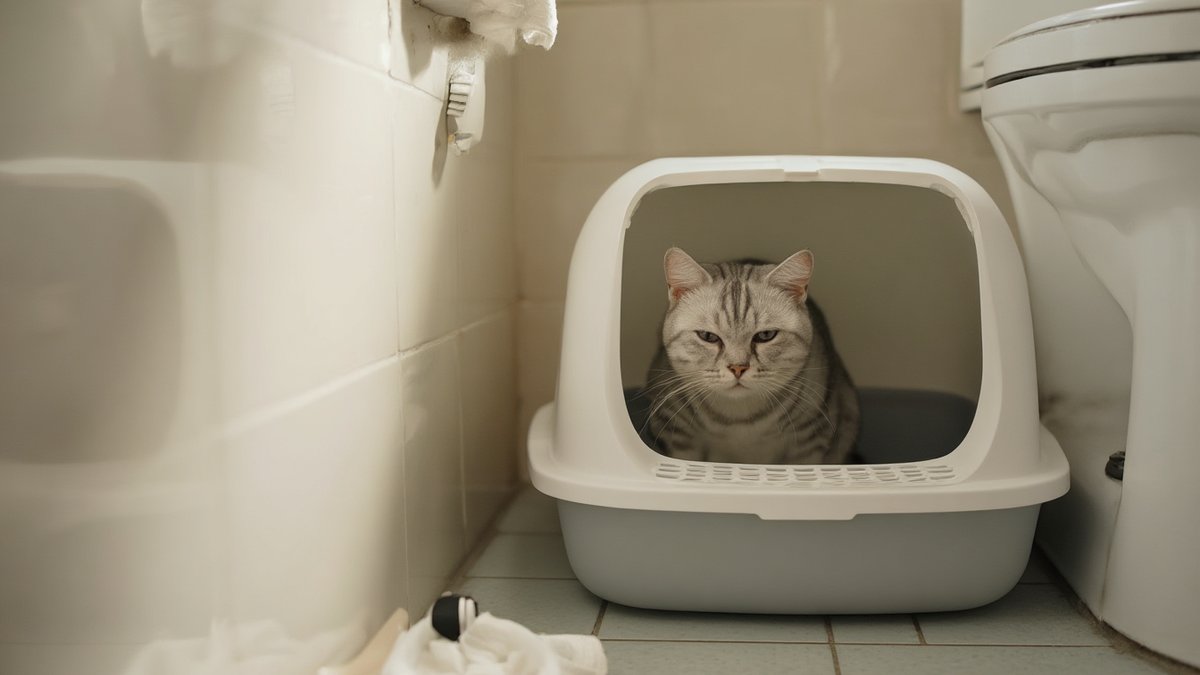
Bladder stones are the diagnosis hiding underneath a lot of "chronic cystitis" stories. A cat gets treated for bladder inflammation, improves on medication, and flares again a month later — sometimes three or four times — before an X-ray finally shows the real problem: mineral rocks rolling around in the bladder, scratching the lining raw with every urination.
The confusion is understandable, because stones and cystitis produce nearly identical symptoms. But the plan is completely different, and that is why an owner who can describe the pattern — repeated flare-ups, blood-tinged urine, recurring visits that never quite close the case — is doing half the diagnostic work before the X-ray is even taken.
The Problem: Why Stones Form in Cat Bladders
Stones precipitate out of urine the way sugar crystallizes from syrup: when the mineral concentration crosses a threshold, crystals seed, grow, and lock together. Two minerals cause nearly all feline bladder stones — struvite (magnesium ammonium phosphate) and calcium oxalate — and they form under opposite urine conditions, which matters later for treatment. What tips a given cat over the edge is usually a stack of small factors: concentrated urine from low water intake, a mineral-heavy diet, overweight indoor lifestyle, long hairball-avoidance dry-food routines, and in some cats an inborn tendency the breed chart will happily point at (Persians and Himalayans skew oxalate). The bladder rarely gets just one stone; the same urine keeps precipitating, so a diagnosis of "a stone" is really a diagnosis of "stone-forming urine."
The Signs Owners Actually Notice
- Frequent small urinations — constant trips to the box that produce only a trickle.
- Pink-tinged or blood-specked urine, sometimes only visible on the clump.
- Straining and prolonged squatting posture, often mistaken for constipation.
- Overnight litter-box restlessness and crying near the box.
- Litter-box avoidance — the box starts to predict pain, so the cat looks elsewhere.
- Excessive licking under the tail, and in quiet cats, nothing but a vague loss of appetite and grumpiness.
The pattern that should raise the stones flag specifically: symptoms that keep returning after each course of antibiotics or anti-inflammatory treatment. Inflammation alone responds and stays resolved; stones keep re-injuring the bladder wall, so the cystitis keeps coming back. That recurrence is the single most useful clue an owner can hand a veterinarian.
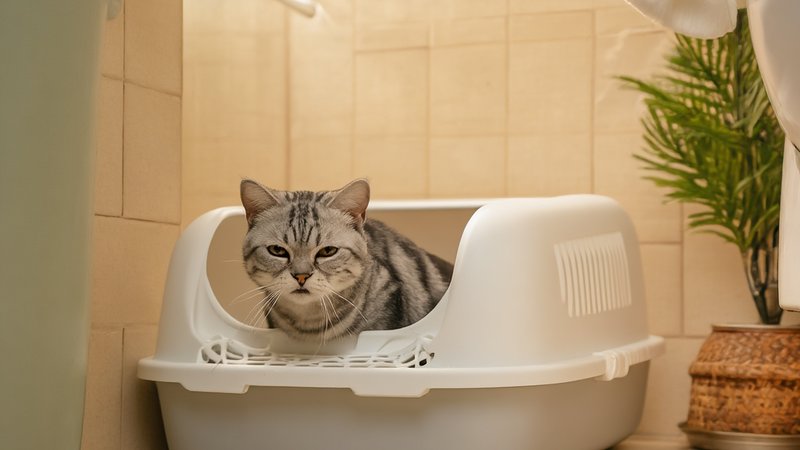
How Vets Find Them — and the Two Ways They Leave
Diagnosis is imaging plus urinalysis. Some stones show on plain X-rays; others (and sand too small to see) need ultrasound, which is why "we did an X-ray and found nothing" is not a full answer. A urine sample closes the loop: it documents crystals, blood, and — critically — whether infection is riding along, since struvite stones in cats form in sterile urine far more often than in dogs, but bacteria change the treatment plan when present.
Then the fork in the road. Struvite stones can often be dissolved — a prescription diet that acidifies and dilutes the urine dissolves them over weeks to a couple of months, with rechecks by imaging to confirm they are shrinking. Oxalate stones cannot dissolve; surgery (a cystotomy) or, for smaller numbers, retrieval techniques remove them physically. Either way, the long-term half of the plan is the same: a stone-preventing diet, dramatically increased water intake, and scheduled re-imaging, because the bladder that made one stone will happily make the next. Feline idiopathic cystitis — the stones-mimicking inflammation condition — is covered separately in cystitis in cats, and telling them apart is exactly what the imaging and urinalysis are for.
Own a Veterinary Clinic?
Enjoyed this article? Our editorial team researches, writes, and publishes professional features just like this one about clinics across the US. Get your practice in front of thousands of cat owners searching for a vet in your city.
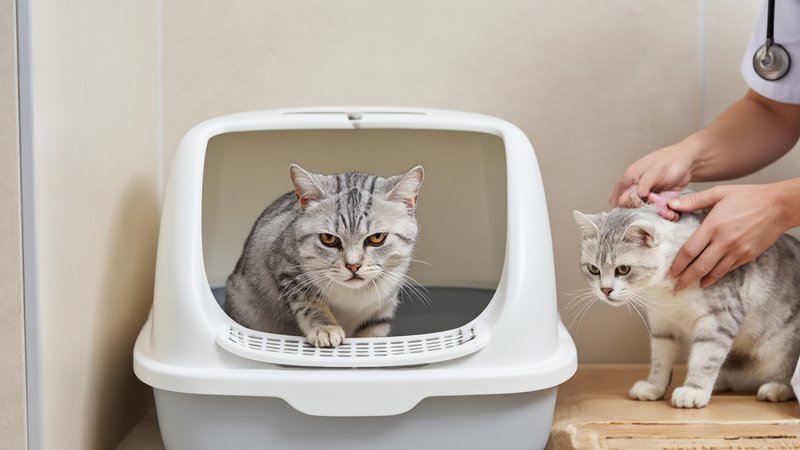
What This Looks Like in Practice: Church Road Animal Hospital
The workup this article describes — urinalysis, imaging, culture when indicated, and the recurrence conversation — is standard general-practice territory, which is good news because stone cases do best at a clinic the cat already knows. In Sterling, Virginia, Church Road Animal Hospital on Ruritan Circle — rated 4.8 by pet owners across more than 230 reviews — offers in-house diagnostics, digital imaging, and surgical services under one roof. Loudoun County owners can book at (571) 313-1388, or browse the cat vets in Sterling, VA directory to compare nearby practices.
Church Road Animal Hospital
45441 Ruritan Circle Unit B, Sterling, VA, 20164
Phone: (571) 313-1388
⭐ 4.8 (238 reviews)
Questions Owners Ask About Bladder Stones
The bleeding that stones cause is covered in blood in cat urine, the straining pattern in cat straining to pee, and the diagnosis cats get mislabeled with most in cystitis in cats. Drinking more is genuinely half the prevention plan — cat not drinking water lists the tricks that actually move the needle.
This article is editorial content produced by the CatVetFinder team. Clinic details are drawn from public listings and may change — always confirm hours and services with the clinic directly.