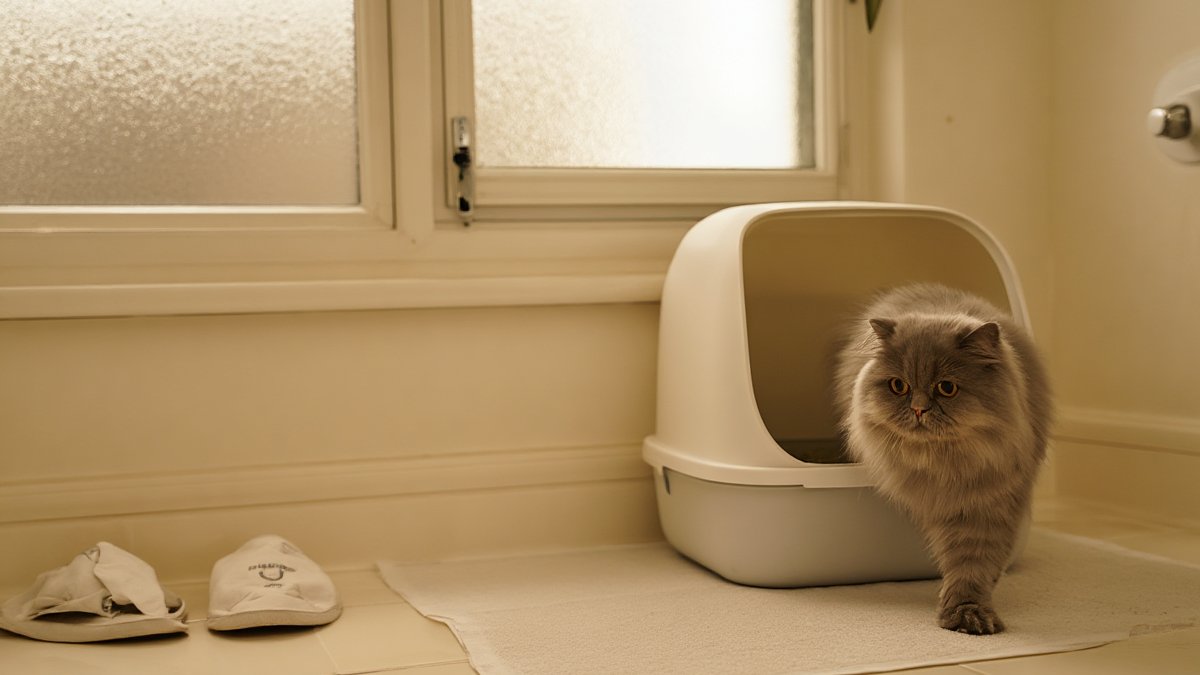
Litter box math is not something most owners think about — until the numbers change. The box that needed one scoop a day suddenly needs three. Your cat visits it twice an hour. Maybe you are filling the water bowl twice as often, too, and wondering whether the two things are connected. They almost always are. When a cat starts producing or passing noticeably more urine than usual, the thirst and the puddles are two ends of the same process, and the process has a short list of usual suspects. Some are nuisance-level, some are manageable chronic conditions, and one pattern — producing urine but straining or producing nothing — is a same-day emergency that kills young male cats every week. Here is how to tell which situation yours is, and what to do before the appointment.
First, Figure Out Which Problem You Actually Have
"Peeing a lot" bundles together three genuinely different problems, and they lead to different urgencies:
- Big volume. Your cat produces a lot of urine each time — soaked clumps, deep puddles. This is the "the kidneys are being flushed" pattern and it pairs with drinking more. Gradual onset, worth a vet visit this week.
- Frequent small amounts. Your cat goes in and out of the box constantly, producing little each time, sometimes crying, sometimes licking her backend afterward. This is an irritated or obstructed urinary tract, and the urgency depends on what happens next.
- Straining with nothing coming out. Repeated squatting, no urine, or drops of blood-tinged urine. In a male cat this is a blocked urethra — a life-threatening emergency within 24 hours, often much less. Drop everything and go in.
The Usual Medical Suspects Behind High Urine Output
When the pattern is genuinely big volume plus big thirst, four conditions account for the overwhelming majority of cases in middle-aged and senior cats:
- Chronic kidney disease. The kidneys lose their ability to concentrate urine, so the cat urinates dilute urine in volume and drinks to keep up. Extremely common in cats over ten; caught early, it is managed for years. The early-warning signs are laid out in our kidney disease guide.
- Diabetes. Excess blood sugar spills into urine and drags water with it, so the classic triad is drinking more, peeing more, and — counterintuitively — eating more while losing weight. Our diabetes signs guide covers the full picture.
- Hyperthyroidism. An overactive thyroid speeds up metabolism; affected cats eat voraciously, lose weight, yowl at night, and drink and urinate more. Common from age ten up.
- Urinary tract inflammation (cystitis) and related conditions. This one usually causes frequent small trips rather than big volume, but it overlaps enough that owners describe both as "peeing a lot." Bladder inflammation in cats is often stress-linked and does not always involve bacteria.
Rarer players include liver disease, certain medications (especially corticosteroids), and Cushing's syndrome. You do not need to diagnose which one at home — the bloodwork and urinalysis at the clinic sort them out quickly, and that is precisely why the visit is worth scheduling rather than guessing.
Own a Veterinary Clinic?
Enjoyed this article? Our editorial team researches, writes, and publishes professional features just like this one about clinics across the US. Get your practice in front of thousands of cat owners searching for a vet in your city.
What to Do This Week: A Practical Sequence
If the pattern is gradual — more urine, more thirst, no straining — work through this in order:
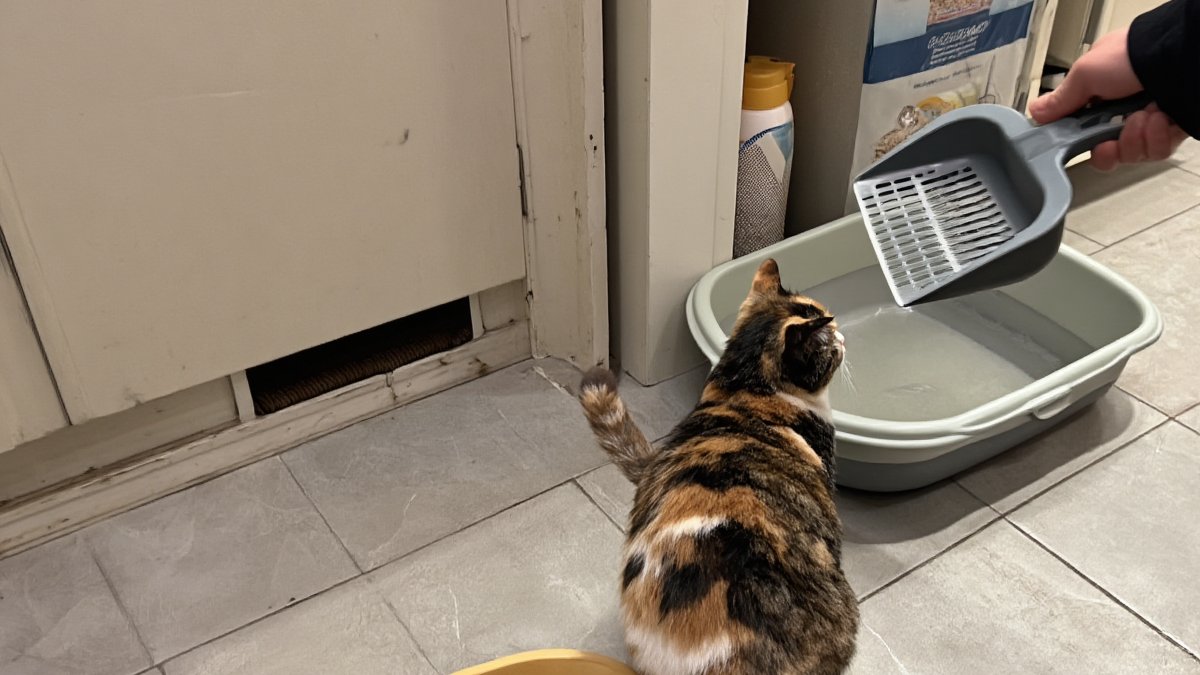
- Quantify what you are seeing before the appointment. Photograph a soaked litter clump next to a normal one, note roughly how many times the box is used per day, and check whether the water bowl is being emptied faster. Vets can work with specifics; "seems like more" is hard to act on.
- Book a vet visit within the week and ask for a urinalysis plus bloodwork. This one appointment answers the kidney, diabetes, and thyroid questions simultaneously — it is the highest-value test in feline medicine for exactly this complaint.
- If the answer comes back as kidney disease or diabetes, expect a management conversation, not a cure: prescription diets, fluid therapy, insulin, or thyroid medication as appropriate. Both conditions have strong long-term outcomes when caught at this stage.
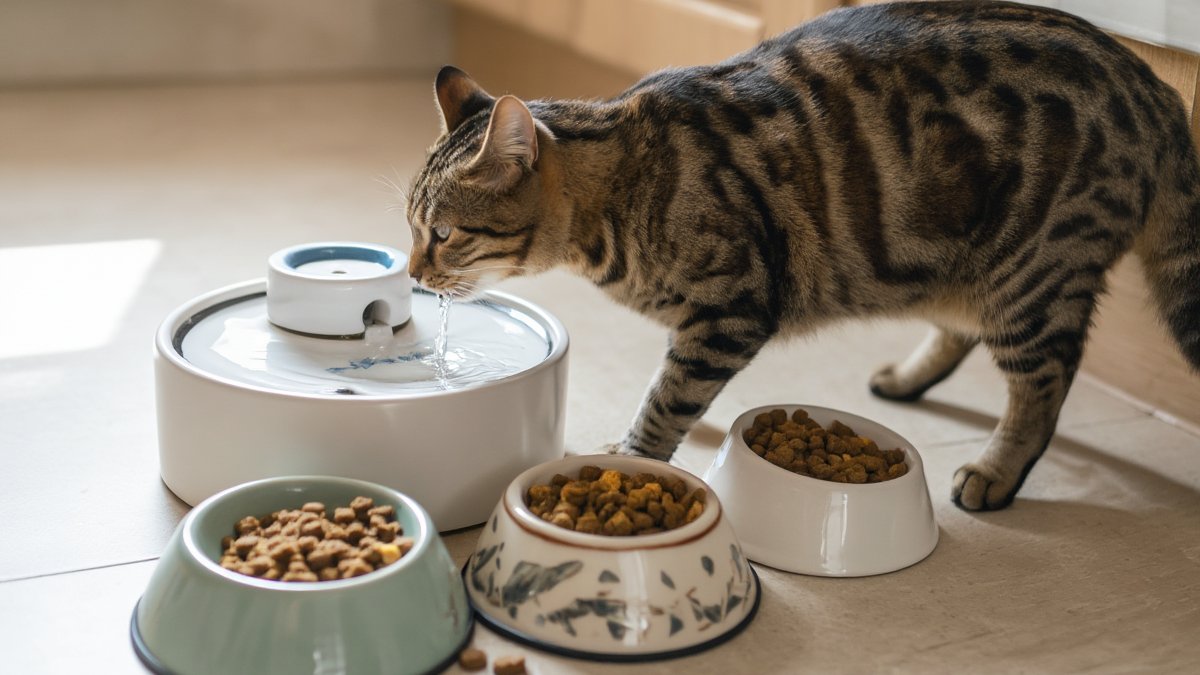
- Meanwhile, make water easy. A fountain, an extra bowl, or adding wet food increases intake — helpful for urinary health in general and essential if the diagnosis turns out to involve the kidneys.
- Watch for the pattern shifting. New straining, cries from the box, urine outside the box, or a hard tender belly changes the plan from "this week" to "right now."
The Behavioral Look-Alike: Marking vs Medical
One distinction saves a lot of confusion: urinating more versus urinating in new places. A cat with a medical urine problem usually keeps using the box — she just floods it or visits it constantly. A cat who sprays a vertical wall or leaves small puddles on laundry is usually marking, which is a stress-and-territory behavior, not a volume problem. The overlap case is the cat who starts avoiding the box because the bladder inflammation makes urination painful and she associates the box itself with the pain. If you are seeing location changes, our guides on cats peeing outside the litter box and litter box avoidance untangle the behavioral side, and litter box setup rules out an environment problem.
What This Looks Like in Practice: Crossroads Veterinary Hospice, Farmington Hills, MI
Crossroads Veterinary Hospice
33228 W. 12 Mile Road # 297, Farmington Hills, MI, 48334
Phone: (734) 751-0594
⭐ 5.0 (7 reviews)
As a worked example: Crossroads Veterinary Hospice at 33228 W. 12 Mile Road # 297 in Farmington Hills, Michigan carries a 5.0-star rating across 7 local reviews — a newer, smaller practice, which in this exact scenario is an advantage: the same veterinarian who hears "the litter box is suddenly flooded" on Tuesday follows the urinalysis results through the week, rather than the case changing hands. A senior-cat-focused practice is also a natural home for the kidney and thyroid workups this complaint typically leads to. You can reach the clinic at (734) 751-0594, and Farmington Hills owners can compare all 11 local practices on the cat vets in Farmington Hills listing before booking.
If You Only Read One Section
More urine plus more thirst, developing gradually, points to kidney disease, diabetes, or hyperthyroidism — all confirmed with a single urinalysis and blood panel, all manageable when caught early. Frequent small trips with crying or licking points to bladder inflammation, and straining with nothing coming out — especially in a male cat — is an emergency measured in hours. Photograph the clumps, book the visit, and let the tests tell you which story yours is.
More Cat Health Guides
- Cat straining to pee: the blockage emergency
- Cystitis in cats: bladder inflammation signs
- Blood in cat urine: what it means
- Why is my cat drinking so much water?
- Diabetes in cats: signs owners miss
- Cat kidney disease: early signs
- Crossroads Veterinary Hospice — Farmington Hills, MI
- Cat vets in Farmington Hills, MI
- Explore cat care services
This article is editorial content produced by the CatVetFinder team. Clinic details are drawn from public listings and may change — always confirm hours and services with the clinic directly.