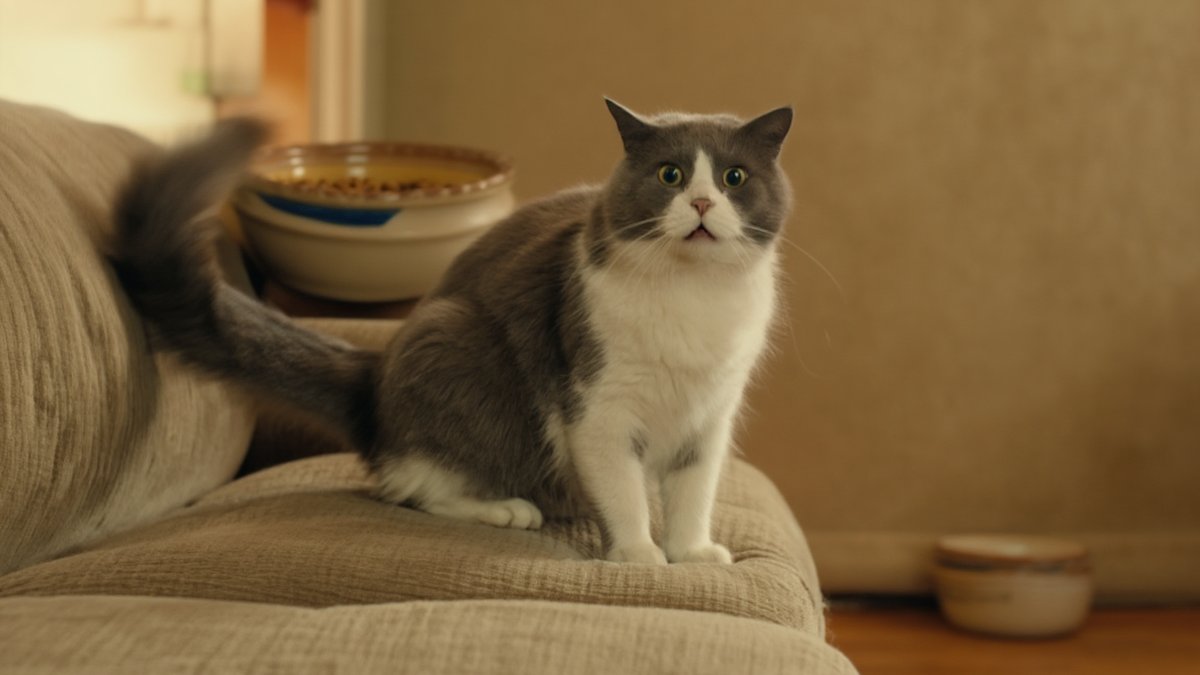
Yes, cats fart. Not as famously as dogs, and usually so discreetly that many owners go years without evidence — and then one evening the cat jumps off the couch, the air changes, and the question writes itself: why is my cat gassy all of a sudden? The short version is that a toot now and then is just digestion doing its job. Bacteria in the gut ferment food, fermentation produces gas, and gas has to go somewhere. A healthy cat on a diet it handles well produces very little of it.
The version worth investigating is the pattern change — a cat that went from near-silent to noticeably, repeatedly, or foully flatulent. Gas that shows up alongside soft stool, a rumbling stomach, weight drift, or a new appetite is a message about what is happening further down the digestive tract, and it usually traces back to one of a short list of causes. This guide walks through that list, the fixes that work at home, and the point where gas stops being a litter-box curiosity and becomes a vet visit.
Own a Veterinary Clinic?
Enjoyed this article? Our editorial team researches, writes, and publishes professional features just like this one about clinics across the US. Get your practice in front of thousands of cat owners searching for a vet in your city.
The Usual Suspects: What Actually Causes Cat Gas
- A sudden food switch. The gut microbiome needs a week or two to retool. Swapping foods overnight is the single most common cause of a gassy week.
- Diet intolerance. Cats digest animal protein brilliantly and plant-heavy fillers, lactose, and some fats poorly. A food the cat "eats fine" can still be quietly fermenting wrong.
- Dairy. The classic cartoon bowl of milk is a real-world gas machine — most adult cats are lactose intolerant.
- Eating too fast. Gulped air plus gulped food equals burps one way and gas the other, especially in multi-cat homes with bowl competition.
- Table scraps and rich human food. Fatty, seasoned, or onion-containing leftovers are double trouble: gas now, and for some foods genuine toxicity later.
- Parasites. Intestinal worms — especially in kittens and outdoor-access cats — commonly produce gassiness, bloating, and loose stool.
- Too much fiber or a low-quality protein source in a bargain-brand diet.
- Less often: inflammatory bowel disease, pancreatic trouble, or an imbalance of gut bacteria that needs medical attention.
The Fix-It Plan: Calming a Gassy Cat at Home
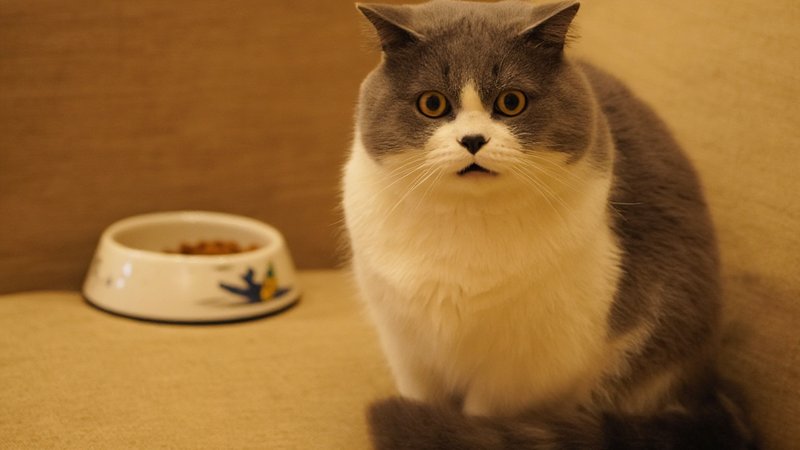
Work the list in order, because the first two steps resolve most cases without a clinic visit. Step one: check the dairy. If anyone in the house shares milk, cheese, or ice cream with the cat, stop — lactose alone explains a surprising number of gassy cats, and cats and milk don’t mix the way the cartoons promised. Step two: review recent diet changes. If the food changed within the last month, transition back gradually or give the new food a full two-week runway, moving roughly a quarter of the ration each few days. If nothing changed, the food itself may be the problem — a diet built around a named animal protein with modest fat suits most cats better than a heavily plant-extended formula, and the tradeoffs between formats are covered in wet food versus dry food.
Step three: slow the eating. A cat that inhales meals swallows air with them. Spread kibble on a wide plate or shallow tray, use a puzzle feeder, or — in multi-cat households — feed in separate spots so nobody guards and gulps. Step four: audit the treats and scraps. Cat treats are fine in moderation; hot dog ends, cheese cubes, and seasoned plates are not. If the household has small children who "feed the kitty" under the table, the litter box will eventually testify. Step five: if the cat goes outdoors, hunts, or shares a home with a new kitten, a fecal test and deworming belong on the list regardless of diet — parasites are invisible and common, and the seasonal parasite basics are the same ones behind fleas and ticks.
When Gas Means a Vet Visit
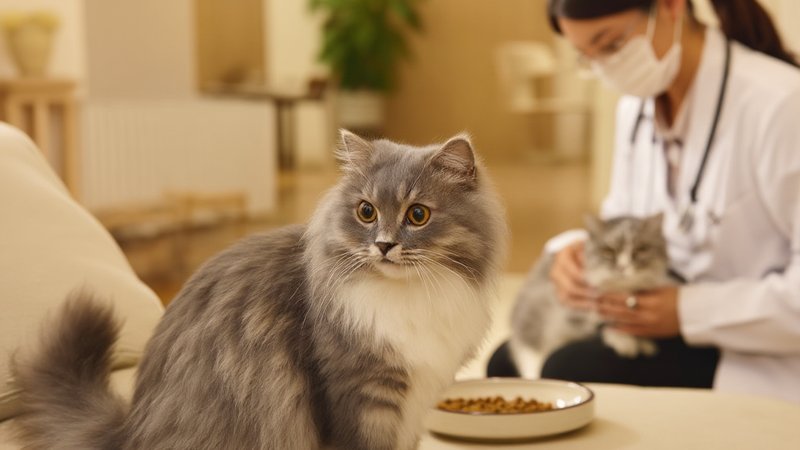
Gas by itself, in a cat that eats well, plays normally, and has formed stool, almost never needs a clinic. What does need one is gas traveling with company: diarrhea or very soft stool lasting more than a couple of days (the decision map is in cat diarrhea: when to worry), visible weight loss while appetite stays normal, repeated vomiting, a bloated or tender belly, blood in the stool, or a cat that suddenly stops eating entirely — which in cats is genuinely urgent, not watch-and-wait. Persistent straining in the litter box with little to show for it is its own emergency, and the warning signs are laid out in cat constipation signs. A vet visit for a gassy cat is usually short and productive: a history, a physical exam with careful abdominal palpation, a fecal test, and often a diet trial or dewormer. Older cats with chronic gas and weight drift may get bloodwork, because conditions like hyperthyroidism and inflammatory bowel disease tend to announce themselves through the gut first.
What This Looks Like in Practice: West Chester Veterinary Care, Beckett Ridge, OH
Most gassy-cat appointments start with the food conversation, and it helps to bring the actual bag or a photo of the label. In Beckett Ridge, Ohio, West Chester Veterinary Care on Eagle Ridge Court is a 4.8-rated practice with more than 165 client reviews, and it is the kind of established, well-reviewed local clinic where a diet-and-digestion question fits naturally into a routine visit — or gets its own quick appointment when the stool has changed too. Owners across the West Chester and Beckett Ridge area can compare practices in the cat vets in Beckett Ridge, OH listing.
West Chester Veterinary Care (WCVC)
8897 Eagle Ridge Ct, Beckett Ridge, OH, 45069
Phone: (513) 942-9282
⭐ 4.8
Cat Gas: Common Questions
Cat gas is best read as a diet report card. Fix the dairy, the food switch, the speed-eating, and the scraps, and most cats go back to being politely silent. If the pattern survives all of that, or the stool and weight have changed with it, that is the visit that finds the real answer.
This article is editorial content produced by the CatVetFinder team. Clinic details are drawn from public listings and may change — always confirm hours and services with the clinic directly.