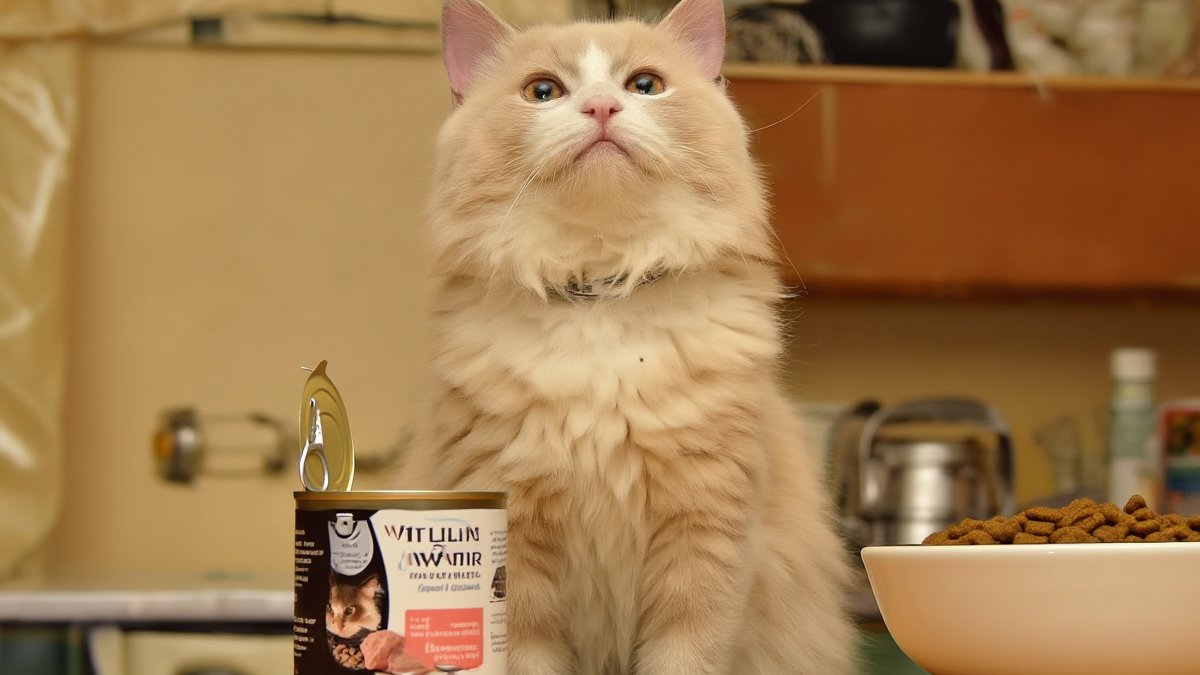
It is the question every cat owner eventually argues with themselves over in the pet food aisle: the cans or the kibble. Both camps have passionate defenders, both sides have real advantages, and both sides also have marketing dressed up as science. The truth is less dramatic and more useful — neither format is automatically better, the differences are concrete and measurable, and the right answer depends on the individual cat in front of you. This guide walks through what wet and dry food actually do differently, which cats genuinely need one over the other, and why the best answer for many households turns out to be "both."
The One Difference That Matters Most: Water
Cats inherited a desert-dweller's drinking habits. They have a low thirst drive, and even with a fresh water bowl available, most cats drink only a fraction of the fluid their bodies would have received from prey. Wet food is roughly 70 to 80 percent moisture; dry food is around 10 percent. That single gap changes the math on feline urinary health, because chronic mild dehydration concentrates urine and concentrates minerals — the exact conditions under which crystals and urinary blockages develop. For male cats in particular, a blockage is one of the few true same-day emergencies in feline medicine blood in cat urine. A cat on an all-wet diet urinates more, dilutes better, and simply carries a lower risk profile for the whole lower-urinary-tract family of problems.
What Each Format Genuinely Does Well
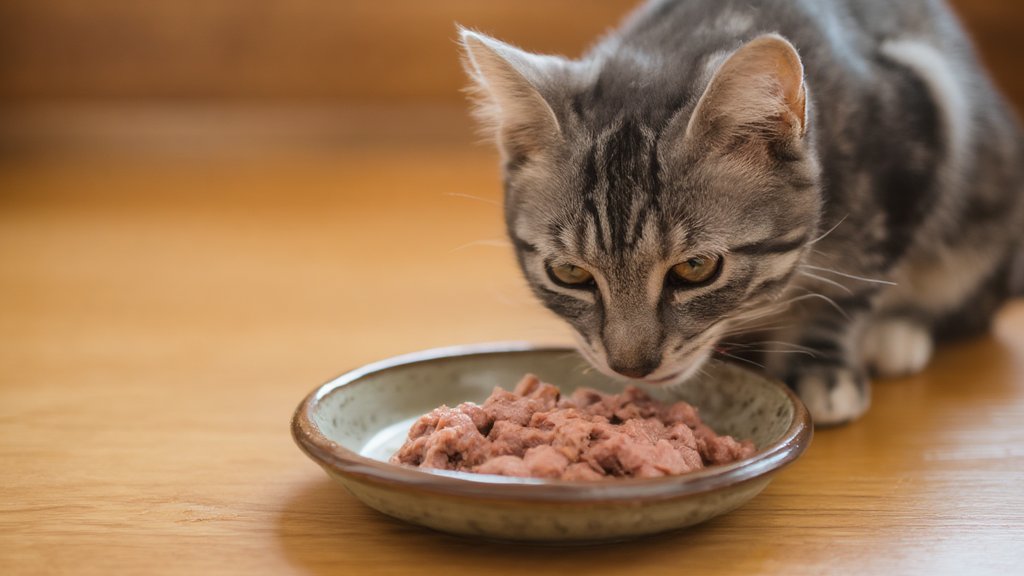
- Wet food's strengths: high moisture, usually higher animal protein and lower carbohydrates per calorie, strong aroma for picky or senior cats with dulling senses, easy portion control in small meals, and easier chewing for cats with dental pain or missing teeth.
- Dry food's strengths: lower cost per calorie, longer freshness once opened, convenient for timed feeders and grazing setups, and useful in multi-cat homes where different cats need different formulas at different stations.
- The dental myth, sized honestly: kibble does not meaningfully clean teeth. Most cats swallow kibble whole or crack it at the tips; only dental-formula diets with proven mechanical action have any measured effect, and even those do not replace brushing [[cat dental disease and cleaning|/blog/cat-dental-disease-and-cleaning/]].
- The convenience trap: free-feeding dry food makes portion control nearly impossible, and obesity is the single most common nutrition problem in pet cats. Measured meals matter more than the format they come in.
Own a Veterinary Clinic?
Enjoyed this article? Our editorial team researches, writes, and publishes professional features just like this one about clinics across the US. Get your practice in front of thousands of cat owners searching for a vet in your city.
Which Cats Genuinely Need One Over the Other
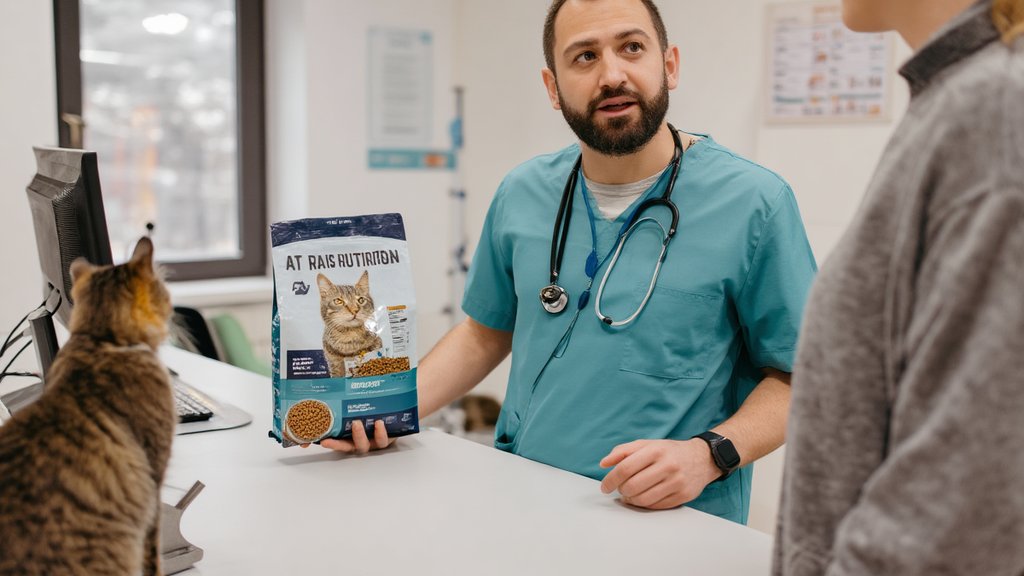
Some cats tilt the comparison decisively. Cats with a history of urinary crystals, blockages, or idiopathic cystitis do better with wet food as the foundation because dilute urine is the whole point of their management plan. Cats with kidney disease are steered toward moisture for the same reason, often for life. Cats that are chronically constipated frequently improve when wet food is added, since the extra fluid softens stool more reliably than any supplement. On the other side of the ledger: a young, lean, healthy cat with excellent water habits can thrive entirely on a measured, high-quality dry diet. Kittens in rapid growth benefit from calorie-dense food and often do well with dry available alongside wet kitten growth and weight milestones. Senior cats with dental disease or reduced appetite often need the aroma and softness of wet food to keep eating enough senior cat feeding guide.
Mixed Feeding: What Most Vets Actually Recommend
There is no rule that a cat must be one or the other. A common and defensible pattern is wet food for one or two measured meals and a smaller measured portion of dry food — sometimes from a puzzle feeder — for the rest of the day. This captures wet food's hydration and satiety benefits while keeping some of dry food's convenience and cost, and it structures the day in a way that discourages all-day grazing. The critical discipline is arithmetic: the day's calories are the day's calories, so when you add a bowl of kibble you subtract something. Owners who mix formats without adjusting totals are the most common unintentional overfeeders in any practice.
What This Looks Like in Practice: Beaumont West Animal Care, Beaumont, TX
Beaumont West Animal Care
1725 N Major Dr, Beaumont, TX, 77713
Phone: (409) 866-9900
⭐ 4.8 (383 reviews)
As a worked example: Beaumont West Animal Care at 1725 N Major Dr in Beaumont, Texas holds a 4.8-star average across 383 client reviews, and a nutrition conversation there starts with the cat in front of the doctor — weight trend, body condition score, water habits, and any urinary or dental history — rather than with a brand recommendation. A Gulf Coast clinic sees plenty of indoor-only cats living with air conditioning year-round, which makes water intake and diet moisture a routine part of wellness visits rather than an afterthought. Call (409) 866-9900, and Beaumont owners comparing practices can browse cat vets in Beaumont, TX first.
The Short Version for Skimmers
Moisture is the biggest real difference, and it favors wet food for urinary health, kidney support, and constipation-prone cats. Dry food wins on cost, convenience, and feeder compatibility, and it does not clean teeth. Most healthy cats do well on either format as long as portions are measured; cats with urinary, kidney, or dental issues usually do better with wet in the mix. When in doubt, ask your vet to weigh in on your specific cat — a two-minute body condition check settles most of these arguments how often cats need vet visits.
This article is editorial content produced by the CatVetFinder team. Clinic details are drawn from public listings and may change — always confirm hours and services with the clinic directly.