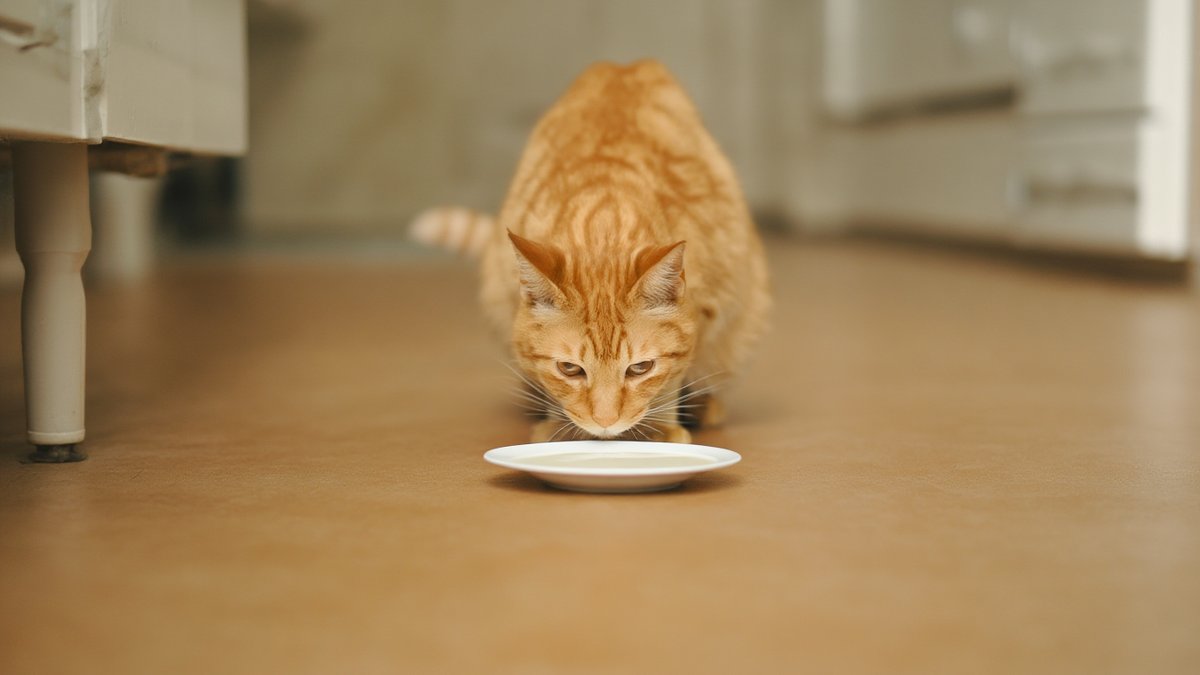
Picture the classic image: a cat hunched over a saucer of milk, pink tongue curled. It is one of the most enduring pictures in pet culture — and it is also the reason an uncomfortable number of house cats spend the evening after treat time in the bathroom. If you have ever handed your cat a splash of milk and watched things go wrong, you already suspect the truth. Most adult cats should not drink milk, not because it is poisonous, but because their digestive tract quietly retired the equipment needed to handle it.
This guide answers the question owners actually ask: can cats drink milk at all, what really happens inside a cat after a saucer, which milk-adjacent treats are safe in small amounts, and what to pour instead. If your cat already drank milk and seems fine, don't panic — the full story is below. If your cat is having digestive trouble after it, there is a clear point where you stop waiting and call the clinic.
Why Cats Love Milk but Can't Handle It
The attraction is real and understandable: milk tastes of fat and protein, two things a predator's palate is built to seek. But from weaning onward, a cat's small intestine produces less and less lactase, the enzyme that splits the milk sugar lactose into digestible pieces. For a nursing kitten, lactase production is at its lifetime peak because it is doing a lifetime-defining job. The day the kitten switches to solid food, the demand disappears — and the enzyme supply falls with it. By adulthood, many cats run low enough that lactose passes into the colon undigested, where gut bacteria ferment it. The result is the classic post-milk afternoon: gas, gurgling, loose stool, sometimes outright diarrhea within twelve to twenty-four hours.
That is the core mismatch — a cat's enthusiasm for milk never got the memo that its lactose tolerance did not survive kittenhood. It also explains the confusing anecdote every cat owner has heard: "mine drinks milk every day and never gets sick." True in some individuals, and mostly a matter of how much lactase a particular gut still makes and how much milk a particular cat sneaks. Tolerance is a spectrum, and nobody can look at a cat and know where it sits.
Own a Veterinary Clinic?
Enjoyed this article? Our editorial team researches, writes, and publishes professional features just like this one about clinics across the US. Get your practice in front of thousands of cat owners searching for a vet in your city.
What Actually Happens After a Saucer of Milk
For an otherwise healthy adult cat, one small saucer is usually an unpleasant digestive event, not a medical one. The undigested lactose pulls water into the bowel and feeds fermentation, so expect flatulence and soft or watery stool — often fast, sometimes dramatic. Most cats recover with nothing more than their normal diet and a day of quiet. The watch-points that change the equation: diarrhea that lasts beyond a day or two, blood in the stool, vomiting that continues, or a cat that stops drinking and starts looking flat. Wet, repeated stool plus a cat already borderline on hydration is how a minor indulgence becomes a clinic visit, and what loose stool means walks through that decision in detail. Cats with existing gut conditions, food sensitivities, or diabetes are also poor candidates for any lactose experiment.
The Plan: What to Pour Instead
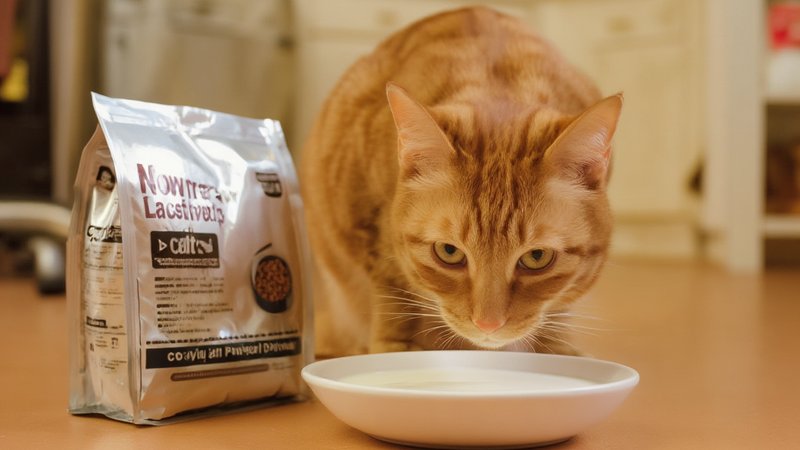
Plain water wins, unglamorously but decisively — it is the one beverage a cat's body is engineered for, and most house cats run chronically a little dry. If the goal behind the milk was hydration, there is a better route: canned or fresh food carries far more moisture than kibble, and a water fountain or a second bowl placed away from the food station reliably increases how much cats drink. If the goal was a treat, offer treats designed for cats, in portions that fit the day's calorie budget — how much a cat should eat per day sets the frame. And if milk remains non-negotiable in your household, commercially sold "cat milk" products are lactose-free versions made for exactly this problem; they are still calorie-dense, so they stay a small, occasional pour rather than a daily habit.
Dairy Questions That Come Up Constantly
Cheese and plain yogurt sit in the gray zone: fermentation removes some but not all of the lactose, so a thumbnail-sized cube of cheese or a fingertip of plain yogurt often passes without drama — but the fat load is the real cost, and repeated fatty dairy treats are a bad idea for any cat with a history of GI or pancreatic trouble. Cream is worse than milk, not better: less lactose by volume, far more fat. Plant milks are not lactose problems at all, yet they are still not recommended — almond and oat versions carry calories a cat doesn't need, and sweetened products can contain additives you never want in a cat. Two absolute lines: nothing flavored with chocolate, and no product sweetened with xylitol.
Kittens and Milk: The One Group With a Different Answer
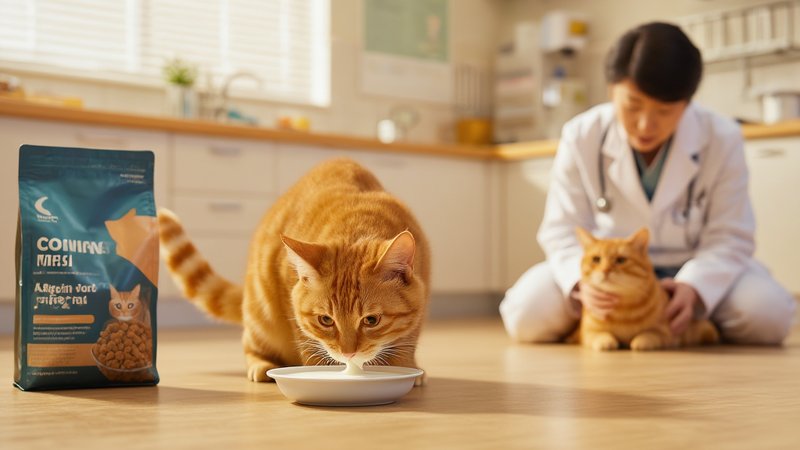
Kittens need milk — their mother's, or a commercial kitten milk replacer if they are orphaned. What they never need is cow's milk from the refrigerator. The lactose ratio and nutrient profile are simply wrong for a growing kitten: it undernourishes and commonly causes diarrhea and dehydration in exactly the animals least able to lose fluids. Anyone raising a bottle-fed kitten should treat proper kitten formula as non-negotiable equipment; the kitten's vet visit schedule, covered in the kitten's vaccination timeline, is the right place to confirm the feeding plan. And when a kitten starts regular stomach upset after milk of any kind, that pattern is worth a conversation with a vet rather than a wait-and-see.
What This Looks Like in Practice: Pinecrest Animal Hospital, Owosso, MI
Diet questions are the everyday bread of general practice, and "the saucer question" comes up constantly. In Owosso, Michigan, Pinecrest Animal Hospital is a 4.8-rated clinic with more than eight hundred client reviews serving Shiawassee County from its East Main Street location, and it is the kind of established practice where a "my cat drinks milk and has soft stool" conversation turns into a concrete plan — hydration check, diet review, and a sensible treat list — in one visit. Owners nearby can browse the full cat vets in Owosso, MI listing to compare practices before booking.
Pinecrest Animal Hospital
1346 E Main St, Owosso, MI, 48867
Phone: (989) 725-7951
⭐ 4.8
Milk and Cats: Common Questions
The saucer habit is easy to retire once water and better treats take its place — cats adapt faster than owners expect. For more on what belongs in the bowl, whether cats can eat tuna sorts a similar treat question, eggs as an occasional treat covers another, and why a wet or dry diet matters connects directly to hydration — the thing milk never really delivered.
This article is editorial content produced by the CatVetFinder team. Clinic details are drawn from public listings and may change — always confirm hours and services with the clinic directly.