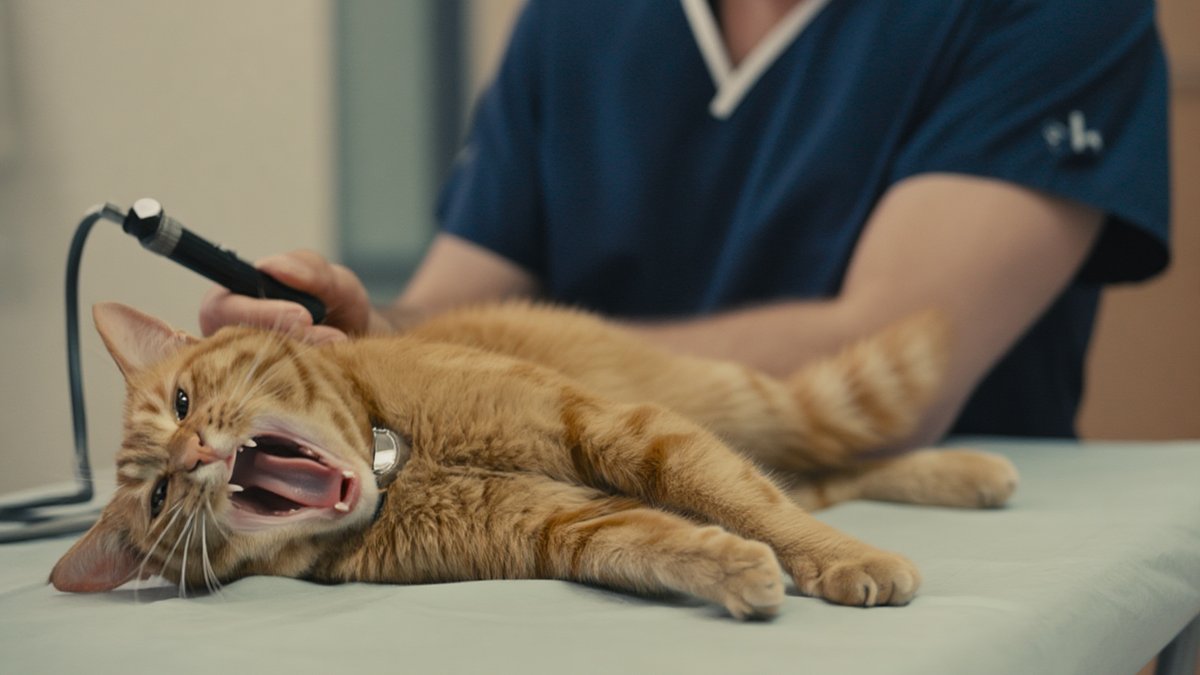
Most cats with dental problems get quietly grumpy about kibble. Cats with gingivostomatitis are different: this condition turns the soft tissue of the mouth — the gums and the area at the very back, past the teeth — into inflamed, raw, ulcerated tissue that hurts with every swallow. It is one of the most painful chronic conditions in feline medicine, and it hides behind behaviors owners often misread as fussiness: a cat who suddenly prefers soft food, chews on one side, drools, or growls when touched near the face. The confusion is understandable — the signs look like "picky eating" — which is why so many cats live with it for months before anyone looks in their mouth.
Own a Veterinary Clinic?
Enjoyed this article? Our editorial team researches, writes, and publishes professional features just like this one about clinics across the US. Get your practice in front of thousands of cat owners searching for a vet in your city.
What Gingivostomatitis Actually Is
Feline gingivostomatitis — often shortened to stomatitis, or called FCGS in its severe form, feline chronic gingivostomatitis — is an intense, inappropriate immune reaction of the mouth's own tissue to the presence of plaque and bacteria. In a normal mouth, plaque causes mild gingivitis; in a stomatitis mouth, the immune system overreacts so violently that the tissue becomes swollen, red, ulcerated, and sometimes bleeds, most dramatically in the strip of tissue at the back corners of the mouth that vets call the caudal mucosa. It is not an infection you catch and it is not caused by poor ownership — even impeccably cared-for mouths can develop it. The leading suspects are an idiosyncratic immune response, with calicivirus and other factors implicated in some cases; but in most cats the cause remains best described as an immune system that has mistaken its own mouth for the enemy.
The Signs Owners Actually Notice First
- Dropping kibble, chewing on one side, or picking up food and letting it fall. The cat is not being clumsy — closing the mouth hurts.
- A sudden preference for soft food, or approaching the bowl, tasting it, and walking away hungry. This is appetite loss from pain, not pickiness.
- Drooling — sometimes with blood-tinged saliva — or a wet chin and front legs from constant dripping.
- Pawing at the mouth or face, and face-rubbing that looks compulsive rather than affectionate.
- Hissing, growling, or flinching when the head is touched. Some painful cats stop grooming the face and neck, leaving a greasy, unkempt front half.
- Very bad breath, well beyond normal "cat food breath," sometimes with visible red raw tissue at the gum line if you get a look.
- Weight loss and hiding. In severe FCGS, cats eat less because eating hurts, and the gradual decline is easy to miss week to week.
How the Vet Confirms It
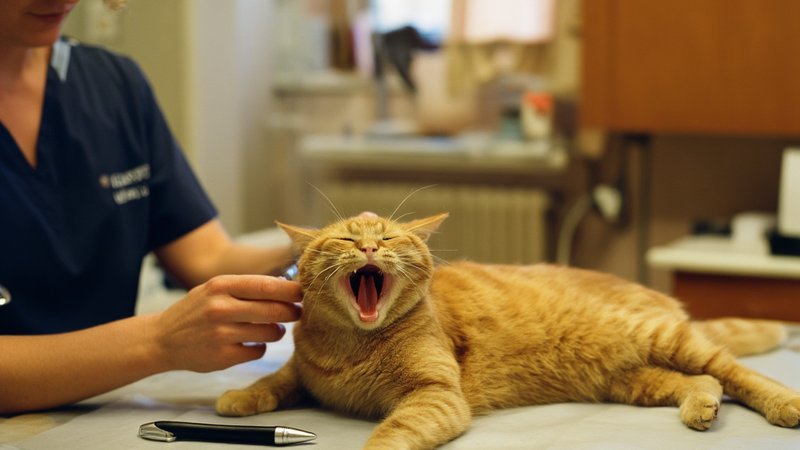
Diagnosis starts with a conscious oral look — which itself requires gentleness in a painful mouth — but the definitive picture comes from an examination under sedation or anesthesia, because stomatitis hides along the back of the mouth and under the gum lines exactly where a wiggling, hurting cat will not allow inspection. Vets grade the inflammation, probe for pockets, and take dental X-rays to see what the teeth and roots are doing beneath the inflamed tissue. Bloodwork screens for FIV and FeLV, which change both the prognosis and the management plan, and a biopsy is reserved for tissue that looks unusual, mainly to rule out oral cancer — an important step in an older cat or one whose inflammation looks one-sided.
What Treatment Actually Looks Like
There is no pill that turns stomatitis off, so treatment is a ladder. The first rung is pain control and plaque reduction: anti-inflammatory medication, pain relief, and professional cleaning under anesthesia, followed by home care as the mouth tolerates. For many cats, the decisive rung is dental extraction surgery — removing the teeth whose roots sit in the inflamed tissue, in some cases all premolars and molars, keeping the canines and incisors. It sounds drastic, but the teeth themselves are not the disease; they are the scaffolding plaque clings to, and for a substantial share of cats, extracting them removes the trigger and the inflammation finally quiets. Cats eat better without painful teeth than they ever did with them, and owners routinely report the cat "got her personality back" within weeks. Cats who do not fully respond may need ongoing medical management — immunosuppressive or immune-modulating drugs, interferon trials, laser treatment of residual tissue — under a vet who follows FCGS cases closely.
What Owners Can Do Between Visits
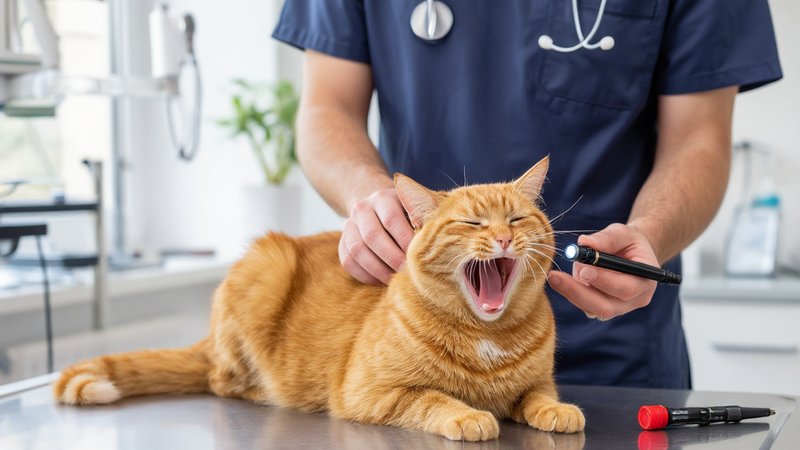
- Feed for the mouth she has: soft or warmed food, wide shallow dishes that do not bang her cheeks, and easy access on multiple levels for arthritic cats.
- Keep plaque as low as pain allows — VOHC-accepted dental treats, water additives, and brushing only if the mouth is comfortable enough. Home care reduces flare-ups but does not cure established stomatitis.
- Protect the weight line. Weigh her every couple of weeks; silent weight loss is the clearest signal that pain is winning.
- Watch for flare-ups after dental work. Most cats improve in stages; some need a second procedure or ongoing medication, so keep the follow-up schedule.
What This Looks Like in Practice: Sound Animal, Renton, WA
Sound Animal
3241 NE Sunset Blvd, Renton, WA, 98056
Phone: (425) 889-9300
⭐ 4.8 (71 reviews)
A worked example for Seattle-eastside owners: Sound Animal in Renton holds a 4.8-star rating across 71 reviews, and a mouth-pain visit there starts the way it should — a gentle oral exam, a grading of what the vet can see, and a straight answer about whether sedated dental work is the next step. Renton owners can reach the clinic at (425) 889-9300 at 3241 NE Sunset Blvd, and the cat vets in Renton listing is the place to compare local practices, including which ones routinely take dental X-rays.
Frequently Asked Questions
If You Only Read One Section
Red, painful gums with drooling, dropped food, one-sided chewing, and weight loss are the signature of feline gingivostomatitis, and the diagnosis is confirmed with a sedated oral exam and dental X-rays. Cleaning alone rarely fixes established disease; the treatment with the best track record is extraction of the teeth rooted in the inflamed tissue, followed by pain control and plaque management. Get an exam within the week when eating behavior changes, and treat sudden full appetite loss as urgent — mouth pain is invisible, but it is among the worst pain a cat lives with, and it is treatable.
More Cat Care Guides
This article is editorial content produced by the CatVetFinder team. Clinic details are drawn from public listings and may change — always confirm hours and services with the clinic directly.