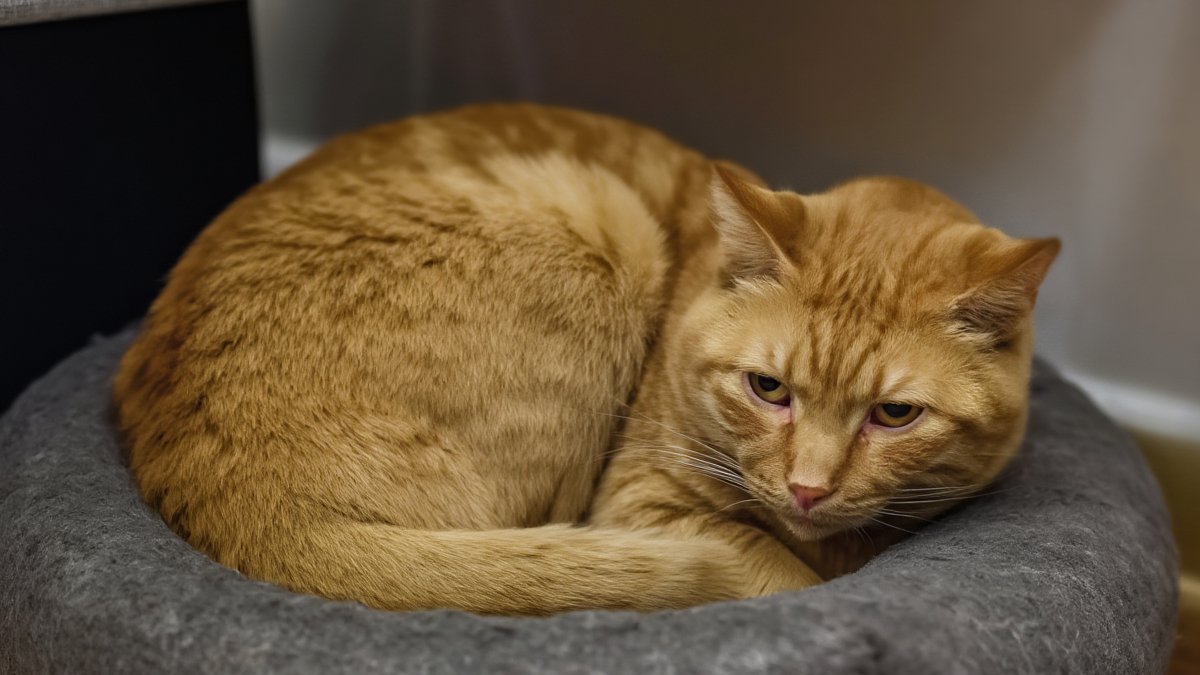
Cats do not limp, cry, or wince the way dogs do — and that is not toughness, it is evolution. A visibly injured animal in the wild is a target, so the feline survival playbook is to look fine for as long as physically possible. The result is that most cats in genuine pain spend their days being described by their owners as "a little off" or "just getting older" while the underlying problem — arthritis, dental disease, an internal issue — progresses untreated. Learning to read the quiet signals is one of the most valuable skills a cat owner can build, and it starts with watching how a cat moves, sits, grooms, and eats rather than how it sounds.
Is My Cat in Pain, or Just Being a Cat?
This is the first question almost every worried owner asks, and the honest answer is that context beats any single sign. Cats nap eighteen hours a day and hide in closets for fun, so sleepiness and secrecy alone prove nothing. What proves something is a change from that cat's own normal: the cat that always greets you at the door now stays under the bed; the food-motivated eater leaves half the bowl; the dedicated self-groomer develops greasy, matted fur along its back because stretching to reach it hurts. Vets call these "subtle signs of pain," and the acronym checklist they use looks at posture, appetite, grooming, activity, litter box habits, and social behavior. One changed category is worth watching; two or more together are worth an appointment.
The Posture and Movement Clues
- Hunched or hunkered positions: a painful cat often sits with a curved back, lowered head, and tucked elbows — sometimes described as a "loaf that does not look comfortable."
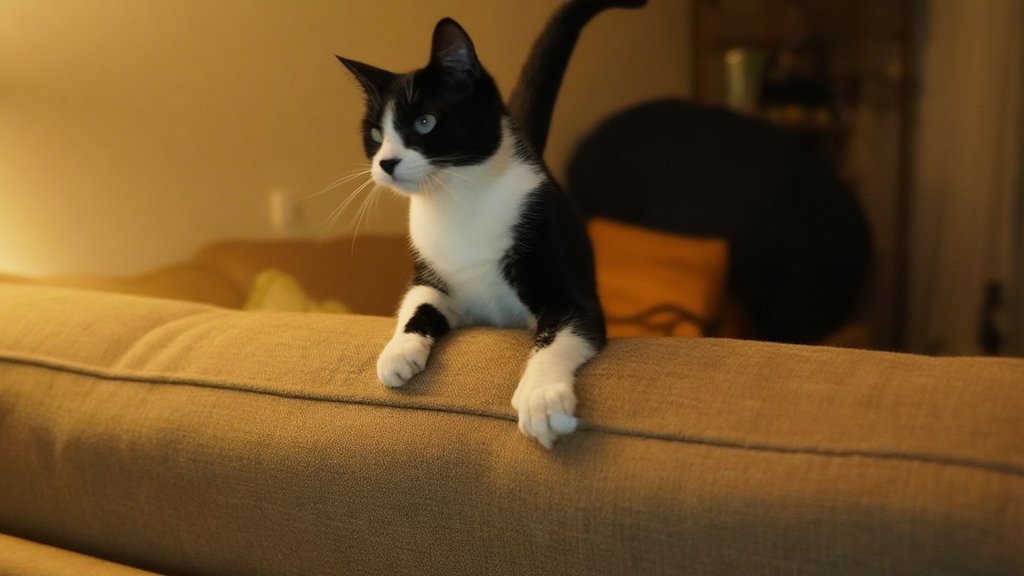
- Reluctance to jump. Hesitating before the couch, taking stairs in stages, or suddenly waiting to be lifted are classic early arthritis signs, which affect the majority of cats over ten [[senior cat arthritis signs|/blog/senior-cat-arthritis-signs/]].
- Stiff gait or limping — including the subtle version where a cat simply stops performing the big vertical jumps it used to do without any visible limp at all [[cat limping when to worry|/blog/cat-limping-when-to-worry/]].
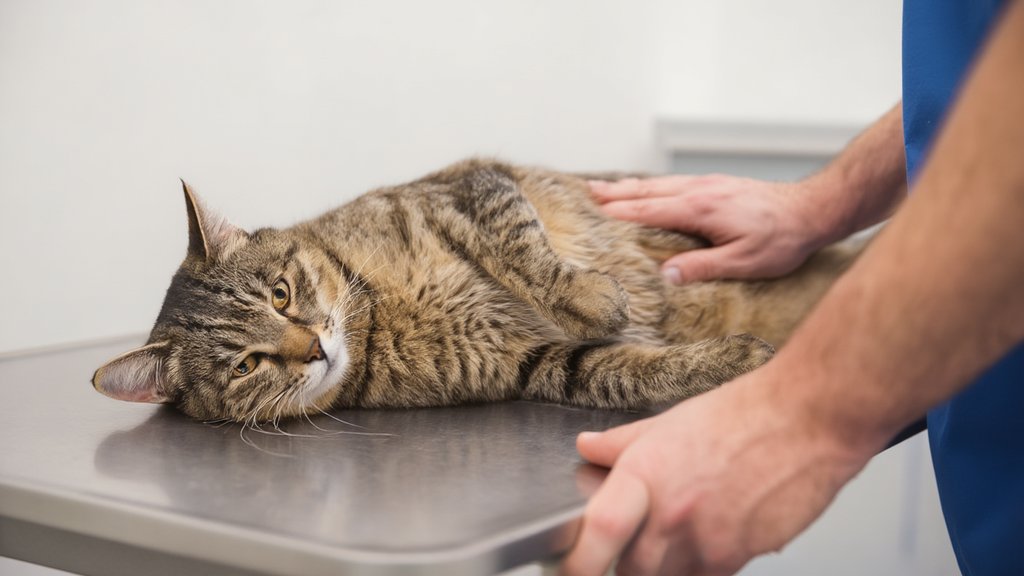
- Guarding: flinching when touched in one region, licking at one spot obsessively, or holding a limb slightly off the ground while sitting.
- Facial tension: squinted or half-closed eyes, flattened whiskers pulled back along the cheeks, and a tense, tight muzzle. Cats have recognizable "pain faces," and they are more subdued than dramatic.
Own a Veterinary Clinic?
Enjoyed this article? Our editorial team researches, writes, and publishes professional features just like this one about clinics across the US. Get your practice in front of thousands of cat owners searching for a vet in your city.
The Everyday Habits That Change First
Appetite is the big one: pain anywhere in the body suppresses eating, and dental pain does it fastest — a cat that chews on one side, drops food, or suddenly prefers soft food is telling you something about its mouth cat dental disease and cleaning. Grooming is second: painful joints cannot reach the lower back and hips, and the neglected strip of coat grows greasy or matted even in a fastidious cat. Litter box habits shift when crouching or climbing into a high-sided box hurts, and accidents outside the box in a previously reliable cat are often orthopedic rather than behavioral cat peeing outside litter box. Withdrawal is the emotional tell: a cat in pain stops playing, skips the lap it always claimed, and hides more cat hiding suddenly. None of these changes announce themselves; they drift.
What This Looks Like in Practice: Villanow Animal Clinic, LaFayette, GA
Villanow Animal Clinic
3148 GA-201, LaFayette, GA, 30728
Phone: (706) 397-8226
⭐ 4.8 (322 reviews)
As a worked example: Villanow Animal Clinic at 3148 GA-201 in LaFayette, Georgia holds a 4.8-star average across 322 client reviews, and a pain-focused exam there follows the same logic this guide does — watching the cat walk out of the carrier, feeling along the spine and joints, lifting the lips to check the mouth, and asking the owner which household habits have drifted. Rural northwest Georgia clinics like this one see a wide mix of barn cats and indoor seniors, which means pain assessment is everyday work rather than a specialty referral. Call (706) 397-8226, and LaFayette owners comparing practices can browse cat vets in LaFayette, GA first.
Why "Wait and See" Is the Wrong Default for Cats
Because cats mask pain so well, by the time an owner is sure something is wrong, the problem is usually well established. There is also a modern treatment reality worth knowing: veterinary medicine has genuinely good pain options now, and chronic conditions like arthritis can be managed with safe, long-term plans that visibly restore a senior cat's jump and playfulness. Never medicate a cat with human painkillers — acetaminophen and ibuprofen are toxic to cats at small doses — and never split or borrow old prescriptions. The right dose starts with the exam, and a second opinion is a fair move if a first one waved the signs off vet second opinion.
The Short Version for Skimmers
Watch for the drift, not the drama: hesitating at jumps, half-finished meals, a greasy stripe along the back, squatting trouble at the litter box, new hiding. Two or more changed habits in the same cat add up to an appointment. Open-mouth breathing, straining, repeated vomiting, or vocalizing when touched are same-day emergencies. And never reach for the human medicine cabinet — cats have their own pain management, and it works.
This article is editorial content produced by the CatVetFinder team. Clinic details are drawn from public listings and may change — always confirm hours and services with the clinic directly.