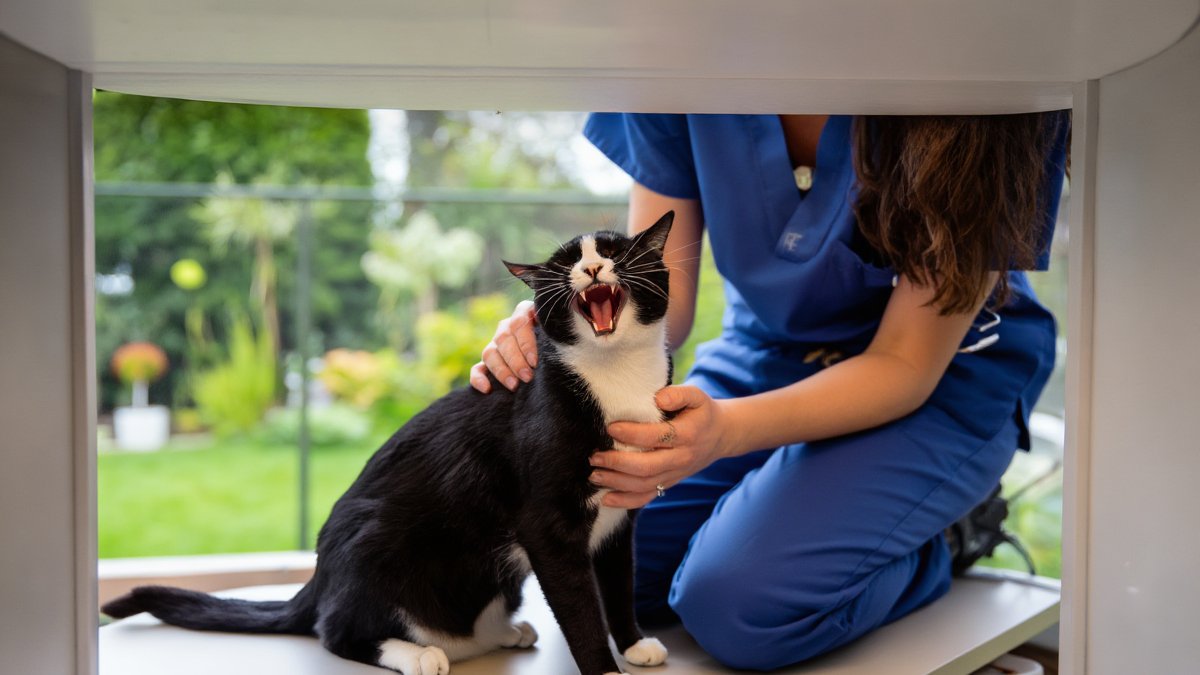
The three a.m. serenade is one of the most common complaints a feline vet hears, and one of the least understood by owners — partly because the cat is doing exactly what nature built it to do. Domestic cats are crepuscular, wired for the dawn-and-dusk hunts their ancestors worked, and a well-rested daytime cat with a full night of energy to burn has to spend it on something. Meowing at the bedroom door is simply the strategy that has historically worked. But not all night meowing is routine-seeking, and the distinction between the loud-healthy-cat version and the confused-painful senior version is the single most important thing to get right — because the fixes could not be more different. Start with the questions owners ask most.
Questions Owners Ask About Night Meowing
The Night Plan, Assembled
- Evening hunt session: fifteen minutes of wand-toy play ending with a real or convincing catch, immediately followed by the largest meal of the day.
- Full bowls check at bedtime — water topped off, food available if the cat is on free-feeding, automatic feeder armed for early morning.
- Lights and access settled: a night light helps senior cats with fading vision, closed doors bar access to noisy rooms, and a warm sleeping spot away from the household machine-room hum gives the cat somewhere worth staying.
- Zero response protocol: no food, no scolding, no opening the door — any response, even an annoyed one, is still a payout. Earplugs are a legitimate part of the treatment plan.
- If the plan stalls at two weeks, or the cat is older than ten, or any medical clue from the FAQ above is present: book an exam with bloodwork rather than tightening the behavior plan further.
Own a Veterinary Clinic?
Enjoyed this article? Our editorial team researches, writes, and publishes professional features just like this one about clinics across the US. Get your practice in front of thousands of cat owners searching for a vet in your city.
What This Looks Like in Practice: Vet Wellcare Vaccinations, Indian Harbour Beach, FL
Vet Wellcare Vaccinations
260 E Eau Gallie Blvd, Indian Harbour Beach, FL, 32937
Phone: (321) 777-5132
⭐ 5.0 (2 reviews)
A worked local example: Vet Wellcare Vaccinations at 260 E Eau Gallie Blvd in Indian Harbour Beach, on the Space Coast barrier island, holds a 5.0-star average in its reviews and runs a wellness-first practice — which is the right shape for this problem, since a night-meowing workup is mostly a thorough senior exam and blood panel rather than advanced machinery. A thyroid and blood-pressure check there answers the question most owners spend months guessing at. The team can be reached at (321) 777-5132, and Indian Harbour Beach owners comparing area practices can see the rest of the local field side by side.
The One-Sentence Takeaway
Young cat, loud meow, no other signs: exhaust the routine fixes — evening hunt, big bedtime meal, automatic feeder, zero response — and give it two honest weeks. Older cat, new yowl, or any sign that eats, drinks, moves, or eliminates differently: that is bloodwork territory, not behavior training, and the sooner the panel runs the better the odds the cause is one of the genuinely treatable ones. Related reading that pairs well: cats whose night vocalizing turns out to be cognitive decline are covered in senior cat arthritis signs on the movement side, a cat that suddenly withdraws entirely is the subject of cat hiding all of a sudden, and the sleep pattern behind the three a.m. energy is explained in why cats sleep so much.
This article is editorial content produced by the CatVetFinder team. Clinic details are drawn from public listings and may change — always confirm hours and services with the clinic directly.