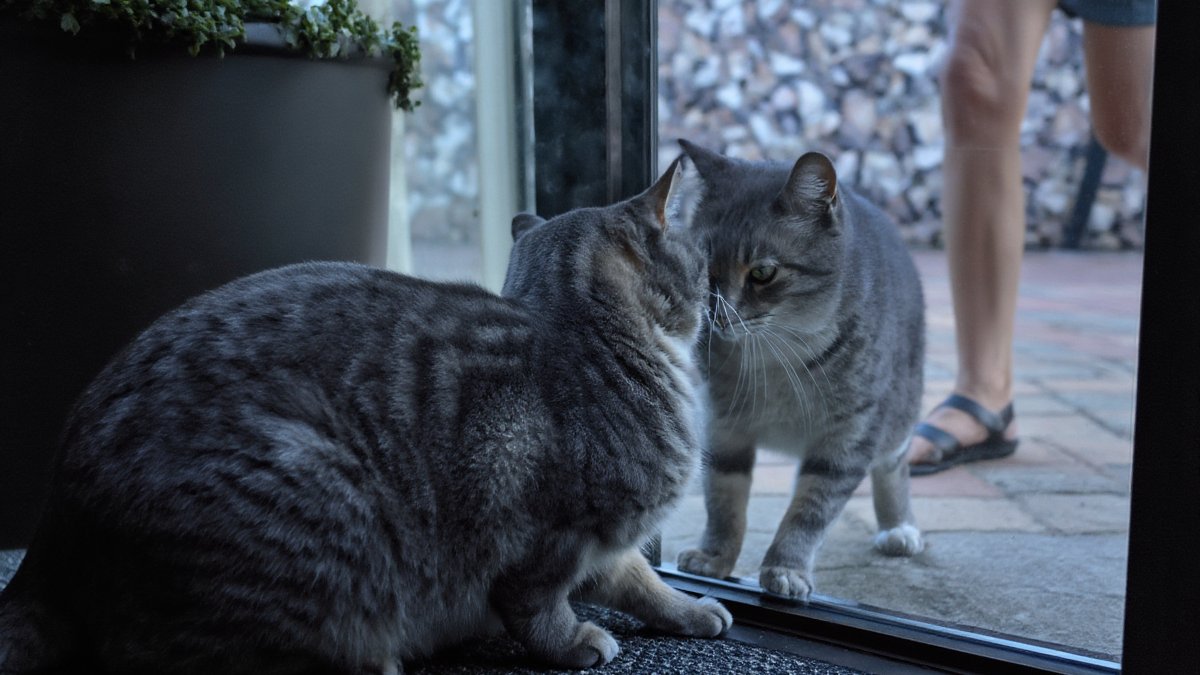
The stereotype says cats are aloof — that they barely notice when you leave. Anyone who has owned a velcro cat knows better. Some cats shadow their person from room to room, cry at the door the moment keys jingle, and quietly come apart when left alone: pacing, over-grooming, or peeing on the bed that smells most like their human. Feline separation anxiety is real, under-diagnosed, and unfair to both sides — the cat suffers, and the owner comes home to a mess and a mystery. This guide covers the signs worth taking seriously, the common causes, how a vet rules out the lookalikes, and a practical plan most cats respond to within weeks.
The Signs That Actually Point to Separation Anxiety
- Vocalizing at departure and return. Yowling, crying, or urgent trilling that starts with keys, shoes, or the suitcase coming out — and often resumes at the reunion.
- Shadowing behavior. The cat follows the owner from room to room, guards the bathroom door, and loses interest in everything else when the person is home but unattended.
- House soiling only when alone. Peeing or pooping on beds, laundry, or the owner’s belongings — specifically during absences — is the signature sign, and it is anxiety, not spite [[cat peeing outside the litter box|/blog/cat-peeing-outside-litter-box/]].
- Over-grooming that concentrates when the cat is left. Bald belly, inner thighs, or forelimbs that worsen on workdays and improve on weekends [[why is my cat losing hair|/blog/cat-losing-hair-overgrooming/]].
- Destructive or frantic behavior at exits. Scratching door frames, tipping things off counters, trying to follow through doorways — usually right after departure.
- Appetite that drops when alone. A cat that waits for the owner to be present before eating, or skips meals entirely on days the house is empty.
Why Some Cats Come Unglued When You Leave
Own a Veterinary Clinic?
Enjoyed this article? Our editorial team researches, writes, and publishes professional features just like this one about clinics across the US. Get your practice in front of thousands of cat owners searching for a vet in your city.
Separation anxiety usually has a history rather than a character flaw behind it. Kittens orphaned or hand-raised very early, cats rehomed after a long bonding period, single cats in one-person households, and cats whose previous household fell apart all carry elevated risk. The schedule itself can create it: a household that was fully staffed for months — remote work, a leave, a pandemic-style stretch — then suddenly empties for eight hours a day has effectively run an uncontrolled experiment on the cat. Senior cats add a twist worth knowing: some become clingy not from anxiety but because they can no longer settle, which is why a cat that turns needy late in life deserves an exam too old cat meowing at night.
Rule Out the Medical Lookalikes First
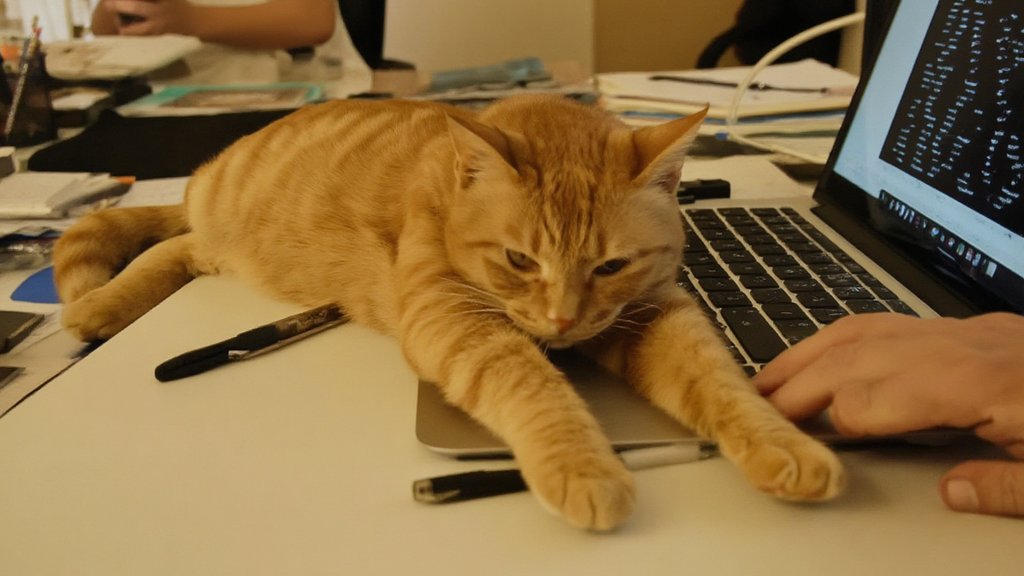
Before treating behavior, treat the differential list. Crying and clinginess in an older cat can be an overactive thyroid. House soiling has an entire medical column — urinary infections, crystals, constipation — that mimics anxiety soiling exactly cat not using the litter box. Over-grooming can be fleas or allergies rather than nerves flea allergy dermatitis. This is the step owners most often skip, and it is the one a vet visit exists for: a basic exam, bloodwork for the senior cat, and a urine test for the soiler. If the body checks out clean, the anxiety diagnosis gets real — and if it does not, the fix is medical instead of behavioral.
The Plan That Works for Most Cats
- Neutralize the exit cues. Pick up keys, put on shoes, sit back down — repeatedly, until the cues stop predicting anything. Departure starts hours before the door closes, and so does the retraining.
- Feed the loneliness with jobs, not attention. Puzzle feeders, hidden treat trails, and a window perch aimed at birds convert an empty house into something to do. A cat that forages all morning has less bandwidth for the door.
- Shrink the absences gradually. If the cat tolerates 30 minutes but not 4 hours, practice 45, then 90, then half-days. The arc matters more than the count; each calm absence funds the next.
- Return home in a boring way. Rushed reunions and effusive goodbyes teach the cat that departures are events. Calm in, calm out, then a play session ten minutes later.
- Consider a companion carefully. A second cat sometimes helps — and sometimes doubles the problem. It works best for young, social cats and should be an introduced decision, not an impulse [[introducing a cat to a dog|/blog/introduce-cat-to-dog/]] and other introductions need the same slow arc.
- Escalate with professional help when the plan stalls. Severe cases — self-injury, daily soiling, refusal to eat while alone — are medical-grade anxiety, and veterinary behavior support exists for exactly that.
What This Looks Like in Practice: Oakes Animal Hospital, Winter Garden, FL
Oakes Animal Hospital
11101 Roberson Rd, Winter Garden, FL, 34787
Phone: (407) 347-8514
⭐ 5.0 (238 reviews)
As a worked example: Oakes Animal Hospital at 11101 Roberson Rd in Winter Garden, Florida holds a perfect 5.0-star average across 238 client reviews — the kind of rating a practice earns by sitting through "my cat cries when I leave" appointments without rushing them. Anxiety workups are conversation-heavy visits: the doctor wants the camera footage, the soiling pattern, the grooming map. The clinic runs same-day labs, which closes the medical-lookalike step in a single appointment instead of three. Call (407) 347-8514, and Winter Garden owners still choosing a practice can compare cat vets in Winter Garden, FL first.
The Short Version for Skimmers
Crying at the door, shadowing, soiling on belongings, and bald patches that worsen on workdays are the core signs; a camera recording confirms what the cat actually does when alone. Rule out thyroid, urinary, and skin disease before calling it anxiety, then rebuild with neutral exit cues, food puzzles, and gradually stretched absences. Severe cases respond best to veterinary behavior help, not more home remedies — and a cat that suddenly hides all day instead of shadowing you can signal the opposite problem, worth reading about separately why is my cat hiding suddenly.
This article is editorial content produced by the CatVetFinder team. Clinic details are drawn from public listings and may change — always confirm hours and services with the clinic directly.