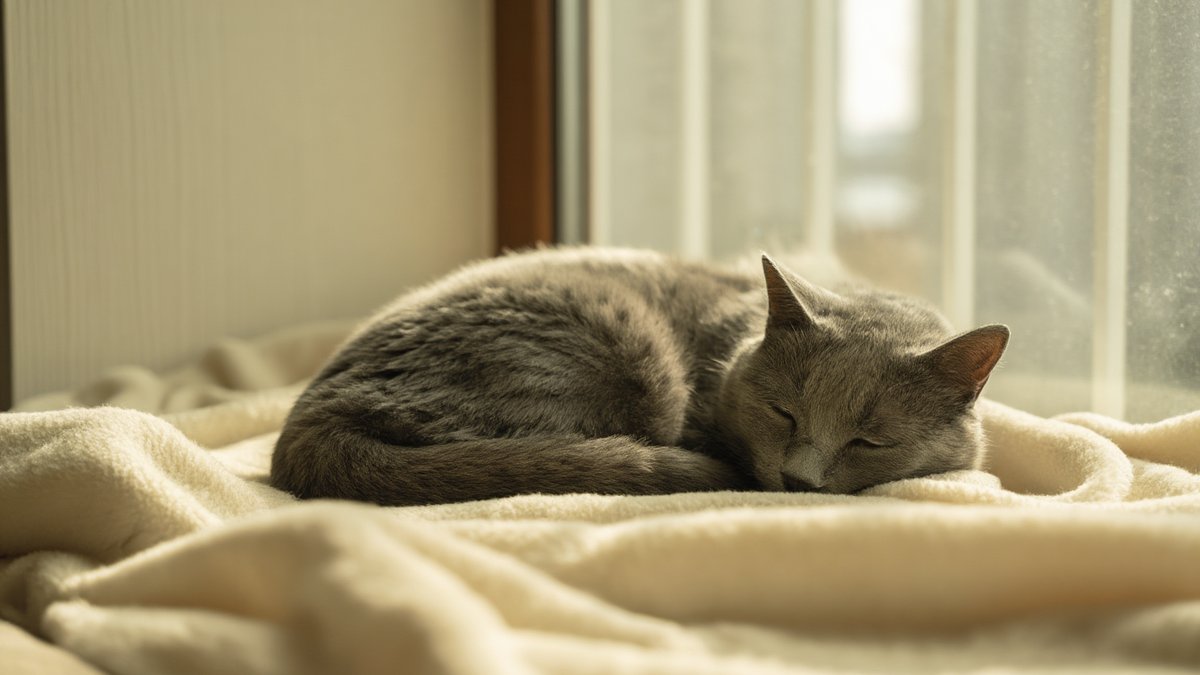
There is no notification that arrives telling an owner the day has come. Instead there is a slow accumulation of small observations — the food bowl going untouched, the favorite windowsill left empty, a name called out to a cat who no longer stirs. Every owner of an aging or sick cat eventually stands inside that fog of questions: is he suffering, is this fair to him, is it too soon, is it too late. Deciding when to euthanize a cat is the hardest call in pet ownership precisely because the cat cannot tell you where the balance sits between tiredness and suffering.
This guide does not try to make the decision for you — no article can, and any that claims to is lying. What it can do is hand you the framework veterinarians walk families through: what quality of life really measures for a cat, the signs that matter most, a practical way to track the trend instead of agonizing over each single day, and what the appointment itself actually looks like. Knowing the shape of the end, it turns out, makes the middle of the decision less frightening.
What Quality of Life Actually Means for a Cat
The phrase sounds abstract until you break it into the things a cat needs in order to enjoy being a cat. Not surviving — enjoying. A cat with good quality of life eats with genuine interest, not because food is smeared on its lips. It grooms itself, at least well enough that the coat does not grow greasy and knotted. It still moves to the spots it loves: the sunny chair, the top of the cat tree, the doorway where the family gathers. It responds to people it loves, even if the response is only a slow blink or a quiet purr. And its pain is controlled, not merely endured.
Cats hide decline by design — an old instinct that protects a vulnerable animal from looking vulnerable. That is why the honest picture of a cat's life usually comes from the household routine, not from any one dramatic moment. The questions worth asking are the unglamorous ones: how many hours of the day does my cat seem comfortable, how often does he seek out the things he used to love, and how many days lately have ended with the thought "that was not a good day" rather than "he had a decent day". When those answers tilt hard and stay tilted, the trend itself becomes the answer.
The Signs Owners Most Often Notice First
- Eating fades or stops — and when the interest in food is gone for days rather than a meal, the body starts spending itself quickly.
- Grooming stops or becomes patchy; the coat looks greasy, matted, or unkempt in a cat that was always fastidious.
- Hiding that becomes permanent rather than occasional — under the bed, in the closet, away from everyone.
- Litter box habits break down, through weakness, pain, or simply no longer caring.
- No reaction to favorite people, voices, or play, even at the low energy of an old cat.
- Labored or open-mouth breathing, which is never normal in a cat and is a same-day call.
- Signs of pain that stay after treatment: reluctance to jump, hunching, crying when touched, aggression out of nowhere.
Some of these signs are also treatable conditions in disguise, which is exactly why the conversation belongs with a veterinarian before it becomes a conclusion. Kidney disease, for example, produces many of the same daily appearances — weight loss, poor coat, withdrawal — and cat kidney disease signs walks through how that diagnosis actually presents. The same is true for unexplained appetite loss, covered step by step in why a cat stops eating, and for pain specifically, which cats express in ways owners often misread as mere grumpiness — the signs a cat is in pain is the checklist worth reading before assuming decline is inevitable.
The Bad-Days Ledger: Tracking the Trend, Not the Moments
Veterinarians who work with end-of-life care often suggest the simplest tool there is: a calendar and one honest mark per day. Good day, okay day, bad day. A good day means the cat ate, interacted, and seemed free of distress. A bad day means the opposite — food refused, hiding, visible discomfort, an owner finding themselves hovering and worrying. Individual days mean almost nothing; a bad Tuesday after a rough night is not a verdict. The trend over a week or two is what carries information.
Own a Veterinary Clinic?
Enjoyed this article? Our editorial team researches, writes, and publishes professional features just like this one about clinics across the US. Get your practice in front of thousands of cat owners searching for a vet in your city.
The ledger does two jobs. First, it turns a fog of feeling into a pattern you can point to and discuss in plain language with the vet: "nine of the last fourteen days were bad" is a sentence that moves a conversation forward. Second, it protects owners in both directions — from acting on one terrible day, and from stretching a cat's suffering out of their own unreadiness. Grieving owners routinely say the regret cuts both ways: too early, and too late. The ledger is how you aim for neither.
What the Appointment Actually Looks Like
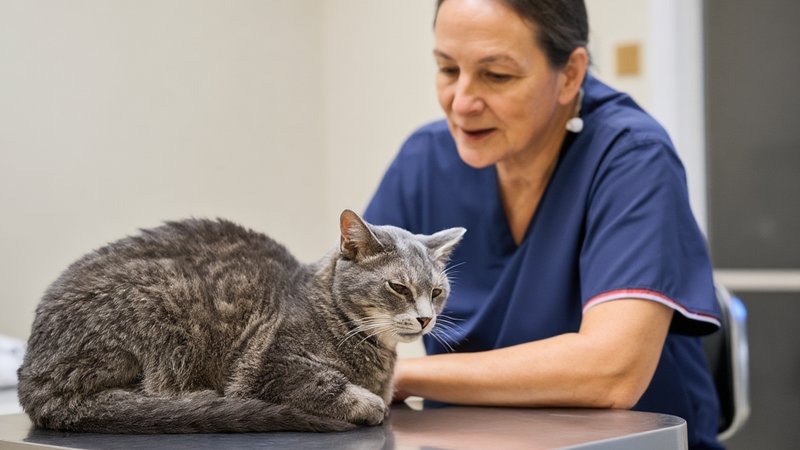
Owners often imagine the worst — a cold table, a sudden darkness — and reality is almost always gentler. A humane euthanasia is quiet and unhurried. Most clinics place a soft intravenous catheter or use a direct injection, and many begin with a sedative that lets the cat drift into a deep, calm sleep in the owner's arms or on a blanket. Only after the cat is fully relaxed and unaware does the final medication go in; it stops the heart within moments, and the cat simply does not wake. There is no pain. From the owner's side of the room, the whole thing looks like a cat falling asleep.
You are allowed to stay. You are allowed to hold your cat through it, talk to him, and take as long as you need afterward. Some owners cannot stay, and that is not a failure either — guilt has a way of inventing rules that do not exist. If you are unsure whether you want to be present, ask the clinic beforehand how they handle both choices; a good team makes room for either. The one practical thing to decide before the day is aftercare, because deciding it in advance spares you the hardest conversation of all happening while you are standing in a quiet room next to a beloved body.
Aftercare: What Happens Next, and Planning It Early
Aftercare is the part almost nobody wants to think about until they have to, and thinking about it early is a kindness to your future self. The basic choices are communal cremation, where the ashes are handled together with other pets and not returned, or private cremation, where your cat's ashes come back to you, often with a keepsake option. Many services also offer clay paw prints, fur clippings, or a small vial of fur as physical remembrances — small things that owners consistently report mattering far more than they expected.
For owners in the San Joaquin Valley, Four Creeks Pet Crematorium in Visalia, California, is a 4.9-rated end-of-life service with more than a hundred family reviews, working from its avenue address southeast of the city to handle precisely this stage: private and communal cremation, return-of-ashes options, and keepsakes, with pickup coordination through the referring clinic. Having that arrangement settled in advance — a single phone call, made on a calm day — is one of the few pieces of end-of-life planning that costs nothing but thought. Owners comparing aftercare and general practices nearby can browse the full cat vets in Visalia, CA listing.
Four Creeks Pet Crematorium
9232 Ave 320, Visalia, CA, 93291
Phone: (559) 737-2532
⭐ 4.9

Euthanasia Questions Owners Ask Most
There is no version of this decision that arrives painless, and there is no need to rush through it alone. The move that helps most, in nearly every case, is converting the private weighing-in-your-head into a concrete conversation with your veterinarian, supported by the ledger. From there, other guides help carry the picture: senior cat arthritis covers one of the most common sources of hidden daily pain, senior cat checkup schedules explains how often aging cats should be examined, and night yowling and confusion in old cats addresses a late-life change that many owners misread. For the care stage that follows, the clinic and services guide sorts what different practices offer.
This article is editorial content produced by the CatVetFinder team. Clinic details are drawn from public listings and may change — always confirm hours and services with the clinic directly.